

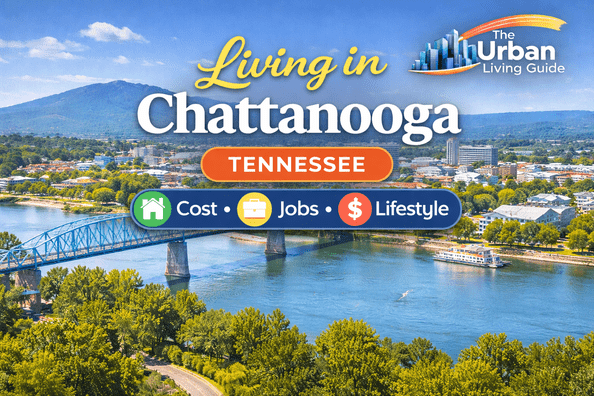
Living in Chattanooga, Tennessee in 2026: The Complete Local Guide to Scenic City Mountain Views, EPB Fiber Innovation, and Tennessee River Living
Stretching picturesquely along the broad, looping bends of the Tennessee River at the dramatic convergence of the Cumberland Plateau and the Appalachian foothills, living in Chattanooga, Tennessee offers an extraordinary fusion of rugged outdoor adventure, cutting-edge digital infrastructure, and warm Southern hospitality. As the economic and cultural hub of southeastern Tennessee with approximately 185,000 residents, Chattanooga commands a stunning natural basin surrounded by towering green mountains, limestone bluffs, and dense river forests.
Once known primarily as a heavy manufacturing and industrial rail hub, Chattanooga has undergone one of the most remarkable urban reinventions in American history. Globally celebrated as the “Scenic City” and affectionately nicknamed “Gig City” for deploying one of the nation’s first ultra-fast municipal fiber-optic networks, the city seamlessly blends its rich Civil War history and industrial roots with a booming tech startup ecosystem, world-class rock climbing, and a revitalized downtown waterfront. Whether you are strolling across the historic Walnut Street Bridge, exploring the exhibits at the Tennessee Aquarium, or hiking the steep inclines of Lookout Mountain, living here delivers a dynamic, nature-forward standard of living.
Municipal services, public safety resources, and community development initiatives are centrally managed through the official City of Chattanooga Government Portal.
If you’re exploring this city for the first time, use the map below to get a sense of where it sits geographically within Southeast Tennessee.
All quantitative metrics, economic data points, and community insights compiled within this living guide are synthesized from official municipal records, regional economic boards, and verified long-term resident feedback.
What Makes Chattanooga So Popular & Unique
Over the past two decades, Chattanooga has evolved from a sleepy industrial town into one of the most desirable and progressive mid-sized metropolitan areas in the United States. Key factors driving its sustained popularity include:
- Breathtaking Natural Setting: Surrounded by natural wonders like Lookout Mountain, Signal Mountain, and the Tennessee River, earning its iconic title as the “Scenic City.” Explore regional outdoor initiatives via the Visit Chattanooga Tourism Portal.
- Pioneering Fiber-Optic Network: Home to EPB Fiber Optics, providing lightning-fast citywide internet speeds that have attracted tech entrepreneurs, digital nomads, and remote workers from across the country.
- World-Class Outdoor Recreation: A haven for rock climbers, mountain bikers, hikers, and kayakers, offering endless trails and river adventures right outside the downtown urban core.
- Exceptional Quality of Life Value: Favorable home purchase prices and rental rates compared to major national hubs while maintaining robust city amenities.
Chattanooga at a Glance: Key Living Metrics
| Evaluation Metric | Local Data Overview & Regional Reality |
|---|---|
| Population | Approx. 185,000 within municipal city limits (Dynamic regional Southeast hub) |
| Median Monthly Rent | Ranges from $900 to $2,200+ depending on apartment size and neighborhood pocket |
| Average Annual Salary | Typically spans $60,000 to $105,000 across manufacturing, healthcare, and tech |
| Primary Economic Pillars | Automotive manufacturing, health insurance, technology, logistics, and tourism |
| State Income Tax | Zero state personal income tax across Tennessee |
| Average Summer High | Routinely reaches 85°F to 92°F during warm July and August afternoons |
| Primary Transit Mode | CARTA bus network, downtown electric shuttle service, and personal vehicle transit |
Famous Personalities, Local Icons & Major Brands in Chattanooga
Chattanooga has a proud history of nurturing legendary musical artists, acclaimed actors, and massive international corporate manufacturing enterprises:
- Samuel L. Jackson: The iconic, Academy Award-winning Hollywood actor spent formative educational years growing up in Chattanooga, attending local schools.
- Bessie Smith: The legendary blues singer globally celebrated as the “Empress of the Blues,” who launched her extraordinary musical journey performing on the city’s historic streets. Explore her musical legacy via the Bessie Smith Cultural Center Portal.
- Dennis Haskins: The beloved television actor known nationwide for playing Mr. Belding in the hit sitcom Saved by the Bell, proudly born and raised in Chattanooga.
- Volkswagen Chattanooga Assembly Plant: A massive state-of-the-art automotive manufacturing facility driving advanced engineering and thousands of regional production careers (Volkswagen Chattanooga Official Portal).
- BlueCross BlueShield of Tennessee: A major health insurance corporate titan maintaining its sprawling corporate headquarters in the city (BlueCross BlueShield of Tennessee Portal).
Job Market & Business Opportunities with Major Employers
The employment landscape in Chattanooga offers exceptional stability, competitive regional wages, and strong professional mobility across expanding industries:
- Automotive and Advanced Manufacturing: Large-scale assembly plants and industrial supply chains anchoring high-paying production and technical engineering roles.
- Technology and Innovation: A burgeoning tech ecosystem taking advantage of EPB’s blazing-fast fiber network to support software startups and remote digital enterprises.
- Healthcare Systems: Major regional hospital networks and medical centers delivering extensive clinical, nursing, and specialist healthcare careers.
- Insurance and Corporate Finance: Corporate headquarters offering secure administrative, financial analysis, and customer service positions.
Housing & Real Estate Overview in Chattanooga
Navigating the real estate market in Chattanooga requires understanding its diverse topography, historic districts, and suburban expansion:
- Diverse Architectural Stock: Features historic Victorian homes in St. Elmo, luxury riverfront condos downtown, and sprawling upscale properties on Signal Mountain. Track property assessments via the Hamilton County Assessor of Property Portal.
- Value Compared to National Metros: Home purchase prices and rental rates remain remarkably more accessible than in coastal urban centers or regional capitals like Nashville.
- Rental Market Inventory: Average monthly rent spans $900 to $1,200 for studio units, $1,100 to $1,500 for one-bedroom apartments, $1,500 to $2,000 for two-bedroom properties, and $2,200 to $3,400+ for single-family home rentals.
- Market Competitiveness: In-migration from higher-cost states has increased housing demand, rewarding property investors while keeping long-term appreciation steady.
Best Neighborhoods in Chattanooga: Finding Your Ideal Community
| Neighborhood Name | Vibe & Lifestyle Character | Housing & Price Profile |
|---|---|---|
| Downtown Chattanooga | Bustling urban core situated directly along the riverfront, offering restaurants, museums, and cultural venues. | Modern urban apartments, high-rise condos, and competitive rental pricing. |
| North Shore | Vibrant, pedestrian-friendly district packed with independent cafes, boutique shops, and immediate river park access. | Townhouses, restored historic homes, and upscale market values. |
| St. Elmo | Charming historic neighborhood nestled at the base of Lookout Mountain, featuring rich architecture and community pride. | Historic Victorian homes, craftsman bungalows, and stable residential valuations. |
| Signal Mountain | Prestigious upscale suburban community perched high above the city, known for panoramic views and peace. | Spacious custom homes, wooded properties, and premium valuations. |
| Hixson | Established suburban area offering peaceful residential blocks, shopping centers, and family-oriented amenities. | Traditional single-family houses, split-levels, and family-friendly pricing. |
Watch a recent video by a popular vlogger to understand daily life and vibes in Chattanooga.
What It’s Really Like Living in Chattanooga (Daily Life & Vibe)
Daily life in Chattanooga is characterized by an active, health-conscious rhythm that seamlessly bridges urban convenience with mountain wilderness:
- Active Outdoor Routines: Residents spend weekends rock climbing on Lookout Mountain, paddleboarding down the Tennessee River, or mountain biking through Enterprise South Nature Park. Explore park guidelines via the Tennessee State Parks Portal.
- Riverfront & Market Square Socials: Evenings feature relaxing walks along the Chattanooga Riverwalk, dining in North Shore bistros, or visiting weekend farmers markets.
- Cultural & Festival Engagement: Participating in vibrant community celebrations, riverfront music festivals, and local art walks throughout the year.
- Social Atmosphere: Friendly, innovative, entrepreneurial, and deeply devoted to environmental conservation and outdoor sports.
Cost of Living in Chattanooga: Monthly Expenses & Salary Needs
The cost of living in Chattanooga sits comfortably below the national average, offering exceptional financial breathing room for working professionals and families:
- Housing Overhead: $1,300 to $1,900 covering standard apartment and multi-family rentals across popular urban wards. Review regional economic trends via the Bureau of Labor Statistics Southeast Information Office.
- Utilities & Power: $150 to $240 monthly for electricity, heating, water, and municipal utility services.
- Groceries & Household Goods: $330 to $470 depending on household size and shopping habits between local markets and regional supermarkets.
- Transportation Expenses: $120 to $210 covering public bus passes, fuel, and vehicle maintenance.
- Required Household Income: Single professionals or working households typically require an annual income between $60,000 and $80,000 to comfortably cover local living expenses and savings goals.
Transportation, Commute Dynamics & Transit Realities
Chattanooga provides efficient regional transportation infrastructure designed to connect residents across the Tennessee Valley:
- CARTA Transit Network: Comprehensive public bus system operated by the Chattanooga Area Regional Transportation Authority, serving urban wards and commercial corridors (CARTA Official Transit Portal).
- Downtown Electric Shuttles: Free zero-emission electric shuttle services operating across downtown loops, making car-free midday errands exceptionally easy.
- Highway Connectivity: Excellent freeway access via Interstate 24, Interstate 75, and Interstate 124, ensuring smooth regional travel.
- Commute Times: Average daily commutes hover around a swift 20 to 22 minutes, offering noticeable relief compared to larger metropolitan traffic grids.
Weather Patterns, Seasonal Realities & Climate Factors
The environmental rhythm of Chattanooga follows a classic Southern humid subtropical climate pattern featuring four distinct seasons:
- Warm, Humid Summers: Summer daytime high temperatures routinely average 85°F to 92°F, creating ideal weather for river water sports and shaded mountain trails.
- Mild Winters: Winter seasons are short and mild with occasional cold snaps and rare snowfall events, making winter driving and year-round outdoor access effortless. Track active forecasts via the National Weather Service Morristown-Chattanooga Portal.
-
Splendid Transition Seasons: Spring and autumn deliver breathtaking weather, highlighted by striking foliage changes across the surrounding Cumberland Plateau.
Education, Schools & Major Universities
Educational institutions serve as premier anchors for academic excellence, professional training, and intellectual community development:
- University of Tennessee at Chattanooga (UTC): A prominent public university offering comprehensive undergraduate and graduate degree programs in the urban core (UTC Official Portal).
- Chattanooga State Community College: Providing accessible associate degrees, technical certifications, and continuing education pathways for local workforce development.
- Hamilton County Schools: Operating numerous elementary, middle, and high school facilities focused on student achievement and specialized magnet programs.
Medical Facilities, Hospitals & Healthcare Systems
Healthcare infrastructure in Chattanooga is advanced, highly specialized, and anchored by premier regional medical networks:
- Erlanger Health System: A massive regional health system operating flagship medical centers, level-one trauma care units, and specialized children’s hospital facilities (Erlanger Health System Official Portal).
- Memorial Hospital (CommonSpirit Health): A premier acute care facility delivering comprehensive emergency services, cardiac care, and specialized surgical suites.
- Parkridge Medical Center: Major multi-hospital network providing extensive medical treatments and outpatient health clinics across the metropolitan area.
Popular Hotels, Cafes, Dining & Culinary Scene
The hospitality and culinary identity of Chattanooga reflects historic grand hotel elegance, riverfront luxury, and craft culinary innovation:
- The Edwin Hotel: Sophisticated riverfront boutique hotel offering luxury accommodations, rooftop pool lounging, and stunning views of the Walnut Street Bridge (The Edwin Hotel Portal).
- The Read House Historic Inn: Elegant 1926 historic landmark hotel delivering timeless architectural grandeur and refined Southern hospitality (The Read House Historic Inn Portal).
- Culinary Districts: Bustling commercial strips in North Shore and downtown featuring farm-to-table dining, local coffee roasters, and craft breweries.
Sightseeing, Cultural Spots & Tourist Attractions
Landmark cultural institutions and natural wonders significantly enhance the daily quality of life for local residents:
- Lookout Mountain: Legendary historic mountain rising above the city, featuring breathtaking vistas, rock formations, and civil war heritage sites (Lookout Mountain Portal).
- Tennessee Aquarium: World-class freshwater and saltwater aquarium housing thousands of aquatic animals along the revitalized downtown riverfront (Tennessee Aquarium Official Portal).
- Ruby Falls & Rock City Gardens: Iconic geological wonders featuring underground cavern waterfalls and panoramic multi-state mountaintop views.
Regional Trade-offs: Pros and Cons of Living in Chattanooga
Pros of Living in Chattanooga
- Exceptional natural surroundings providing immediate access to world-class mountain hiking, climbing, and river sports.
- Pioneering gigabit internet infrastructure attracting thriving tech startups and remote working professionals.
- Affordable housing purchase prices and rental rates compared to major national metropolitan hubs.
- Friendly, welcoming Southern community atmosphere with strong civic engagement.
- Robust tourism, manufacturing, and healthcare employment sectors ensuring regional economic stability.
Cons of Living in Chattanooga
- Hot and humid summer weather requiring constant air conditioning and hydration during outdoor activities.
- Limited heavy rail transit options, making personal vehicle ownership standard for outer suburban commutes.
- Traffic congestion and parking pressure during peak tourist seasons around major mountain attractions.
- Smaller overall private-sector job market compared to massive state capitals or national commercial centers.
- Socioeconomic disparities across specific urban blocks requiring careful local neighborhood research.
Who Is Chattanooga Ideal For — And Who Should Avoid It?
Who Chattanooga Ideal For
- Outdoor and Adventure Enthusiasts: Residents who prioritize daily rock climbing, mountain biking, kayaking, and hiking.
- Remote Workers and Tech Professionals: Individuals seeking lightning-fast EPB fiber internet, a lower cost of living, and an active community.
- Budget-Conscious Homebuyers: Families and couples looking to escape high coastal rents and achieve affordable homeownership.
- Active Retirees and Families: Households wanting a scenic mid-sized city with great parks, mild winters, and strong community health systems.
Who Should Avoid Chattanooga
- Mega-City Nightlife Seekers: Residents looking for non-stop 24-hour metropolitan downtown action, mega-clubs, and dense urban nightlife.
- High Humidity Haters: People who despise intense summer heat, high humidity, and long cooling seasons.
- Car-Free Commuters: Individuals who refuse to own a personal automobile and rely entirely on heavy rail rapid transit systems.
- Corporate Finance Professionals: Workers seeking massive concentrations of Wall Street financial headquarters and deep corporate banking towers.
Real Experiences: Perspectives from Long-Term Residents (5 to 10+ Years)
“Moving to North Shore eight years ago after living in a high-cost coastal city was the best lifestyle upgrade I could have made. The EPB fiber internet lets me work remotely without a single hiccup, I can walk across the Walnut Street Bridge to downtown in minutes, and the weekend climbing on Lookout Mountain is world-class. Chattanooga hits that sweet spot of affordability, tech infrastructure, and outdoor beauty.”
[Source: r/Chattanooga Community Discussions — u/ScenicCityHiker901, St. Elmo resident of 7 years]
“The big reality check for newcomers is that summer humidity can get intense, and tourist traffic around places like Rock City on weekends gets busy. However, the trade-off is completely worth it. Housing is still relatively reasonable, the community is remarkably friendly and progressive, and you’re surrounded by gorgeous mountains and rivers. It’s an incredible place to raise a family.”
[Source: Local Resident Panels & Community Forums — David M., North Shore homeowner]
Frequently Asked Questions About Living in Chattanooga, Tennessee
Is Chattanooga expensive to live in compared to other U.S. cities?
No. Chattanooga maintains a moderate and accessible cost of living, offering median housing costs and everyday expenses below the national average.
What level of annual salary do individuals need to live comfortably in Chattanooga?
Most single professionals and working households find that an annual income between $60,000 and $80,000 provides a comfortable lifestyle covering rent or mortgage payments, utilities, transportation, and discretionary spending.
Can residents successfully live in Chattanooga without owning a personal vehicle?
While CARTA bus routes and downtown free electric shuttles serve central corridors effectively, most residents rely on personal automobiles due to the broader geographic layout and mountain recreation access.
What are the best residential neighborhoods to consider in Chattanooga?
Top neighborhoods include Downtown for riverfront walkability, North Shore for trendy cafe life, St. Elmo for historic charm, Signal Mountain for upscale mountain views, and Hixson for suburban family living.
How does commuting work for professionals working across Chattanooga?
Commuters primarily utilize Interstate 24 and Interstate 75, enjoying swift average commute times of around 20 to 22 minutes during standard rush hours.
What are the primary natural and cultural highlights of Chattanooga?
Residents enjoy exploring Lookout Mountain, viewing marine life at the Tennessee Aquarium, walking across the Walnut Street Bridge, and hiking through Enterprise South Nature Park.
🔗 Explore More Cities in Tennessee
Looking beyond Chattanooga? The Urban Living Guide has also covered multiple popular cities across Tennessee that you can explore further:
Before moving to Chattanooga, make sure you check:
- Cost of Living in Chattanooga, TN
- Pros and Cons of Living in Chattanooga, TN
- Best Neighborhoods in Chattanooga, TN
For everything you need in one place, read our complete guide: Moving to Chattanooga, TN
These city guides provide detailed insights into everyday living, including housing costs, employment opportunities, neighborhoods, commute options, climate, education, local attractions, and key industries shaping each city.
By bringing all these insights together, The Urban Living Guide helps you compare different cities side by side and choose the one that aligns best with your lifestyle, priorities, and long-term goals.