

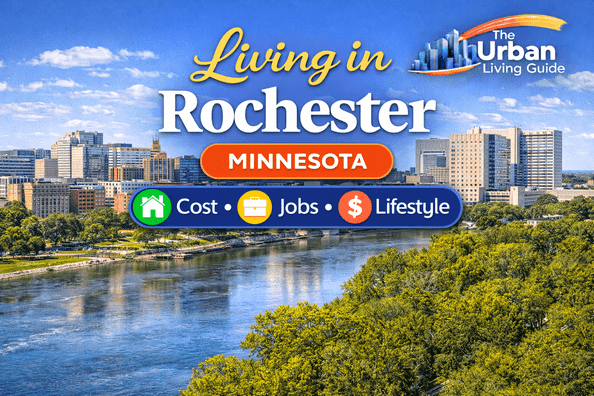
Living in Rochester, Minnesota in 2026: The Complete Local Guide to Mayo Clinic Innovation, Safe Midwestern Living, and Zumbro River Culture
Nestled along the scenic banks of the Zumbro River in southeastern Minnesota, living in Rochester, Minnesota offers an extraordinary combination of world-class healthcare, exceptional economic stability, and a peaceful, highly secure Midwestern community. As home to the globally renowned Mayo Clinic, this thriving city of approximately 120,000 residents functions as an international medical mecca while retaining the charm, safety, and welcoming atmosphere of a premier regional hub.
Every facet of daily life in Rochester is touched by its medical heritage, drawing top-tier researchers, physicians, scientists, and patients from every corner of the globe. Whether you are navigating the extensive downtown pedestrian Skyway and Subway system during crisp winter months, walking the trails of Quarry Hill Nature Center, or settling into a historic home in Kutzky Park, living here delivers a secure, highly educated, and health-focused standard of living. Municipal governance, public safety programs, and city development initiatives are centrally managed through the official City of Rochester Government Portal.
Not sure where the city is? Check the map below to quickly understand its geographic position within southeastern Minnesota.
All quantitative metrics, economic data points, and community insights compiled within this living guide are synthesized from official municipal records, regional economic boards, and verified long-term resident feedback.
What Makes Rochester So Popular & Unique
Over recent decades, Rochester has earned widespread acclaim as one of the most stable, secure, and medically advanced mid-sized cities in the United States. Key factors driving its sustained popularity include:
- The Global Mayo Clinic Anchor: Home to the world-famous Mayo Clinic, establishing Rochester as a premier international destination for medical innovation and specialized treatment. Explore regional tourism and visitor initiatives via the Experience Rochester Minnesota Portal.
- Unrivaled Economic Stability: A bulletproof local economy driven by healthcare, medical research, and biotechnology, providing remarkable job security through economic cycles.
- Exceptional Community Safety: Consistently ranking among the safest and most well-ordered cities in the Midwest, making it highly desirable for families and retirees.
- Innovative Urban Infrastructure: A sophisticated downtown connected entirely by an underground subway and above-ground skyway network for year-round pedestrian comfort.
Rochester at a Glance: Key Living Metrics
| Evaluation Metric | Local Data Overview & Regional Reality |
|---|---|
| Population | Approx. 120,000 within municipal city limits (Thriving medical and research hub) |
| Median Monthly Rent | Ranges from $1,050 to $2,200+ depending on apartment size and proximity to downtown |
| Average Annual Salary | Typically spans $65,000 to $120,000 across healthcare, research, and biotech sectors |
| Primary Economic Pillars | Healthcare delivery, medical research, biotechnology, IT services, and healthcare tourism |
| State Income Tax | Progressive state income tax structure ranging up to 9.85% across Minnesota |
| Average Summer High | Routinely reaches 75°F to 85°F during comfortable July and August afternoons |
| Primary Transit Mode | Rochester Public Transit bus system, skyway networks, and personal vehicle transit |
Famous Personalities, Local Icons & Major Brands in Rochester
Rochester has a proud history of nurturing pioneering medical innovators and world-changing health institutions:
- Dr. William W. Mayo & Sons (Dr. William J. Mayo & Dr. Charles H. Mayo): The legendary medical pioneers who founded the Mayo Clinic, transforming a local frontier practice into the most respected healthcare institution in the world (Mayo Clinic Official Portal).
- Rochester Honkers: The beloved collegiate summer baseball team bringing energetic minor league sports entertainment to historic Mayo Field.
- IBM Rochester Campus: A historic technology and engineering campus that has driven decades of computing innovation, midrange systems development, and high-tech manufacturing in southeastern Minnesota.
- Olmsted Medical Center: A major independent regional healthcare system providing comprehensive medical services and community clinics throughout the county (Olmsted Medical Center Portal).
Job Market & Business Opportunities with Major Employers
The employment landscape in Rochester offers unmatched career stability, high average earnings, and world-class professional mobility across the medical sector:
- Healthcare and Clinical Practice: Tens of thousands of specialized nursing, physician, surgical, and administrative careers anchored by the Mayo Clinic.
- Medical Research and Biotechnology: Cutting-edge laboratories and clinical trial centers pioneering biomedical discoveries and health technology solutions.
- Information Technology and Engineering: Enterprise technology roles supporting massive electronic health record systems and regional infrastructure.
- Hospitality and Medical Tourism: Extensive hotel, dining, and hospitality operations catering to international patients and medical travelers.
Housing & Real Estate Overview in Rochester
Navigating the real estate market in Rochester requires understanding medical professional demand, historic neighborhood preservation, and suburban expansion:
- Diverse Architectural Stock: Features historic character homes in Kutzky Park and the Historic Southwest district, alongside modern developments in the Somerset area. Track property assessments via the Olmsted County Assessor Portal.
- Market Valuations: High-earning medical professionals and steady in-migration keep housing demand robust, resulting in stable property values that sit slightly above regional Midwest averages.
- Rental Market Inventory: Average monthly rent spans $1,050 to $1,350 for studio units, $1,250 to $1,650 for one-bedroom apartments, $1,650 to $2,200 for two-bedroom properties, and $2,500 to $3,800+ for single-family home rentals.
- Suburban Alternatives: Surrounding residential corridors offer quiet streets, excellent public schools, and family-oriented housing developments.
Best Neighborhoods in Rochester: Finding Your Ideal Community
| Neighborhood Name | Vibe & Lifestyle Character | Housing & Price Profile |
|---|---|---|
| Downtown Rochester | Bustling urban core connected by the skyway system, offering immediate proximity to the Mayo Clinic and dining. | Modern high-rise apartments, urban condos, and competitive rental pricing. |
| Kutzky Park | Historic, picturesque neighborhood featuring tree-canopied streets, local parks, and close proximity to medical facilities. | Historic homes, craftsman bungalows, and stable residential values. |
| Northwest Rochester | Established residential enclave offering family parks, quiet neighborhood blocks, and great community amenities. | Traditional single-family houses, split-levels, and family pricing. |
| Historic Southwest | One of Rochester’s most prestigious and sought-after areas, celebrated for magnificent architecture and mature trees. | Historic grand homes, custom estates, and upscale valuations. |
| Somerset Area | Rapidly growing residential community featuring newer constructions and modern suburban master plans. | Contemporary houses, townhouses, and family-oriented market values. |
Watch a recent video by a popular vlogger to understand daily life and vibes in Rochester.
What It’s Really Like Living in Rochester (Daily Life & Vibe)
Daily life in Rochester is characterized by a calm, highly organized, and deeply health-conscious rhythm:
- Active Park & Trail Routines: Residents spend weekends walking or cycling through Quarry Hill Nature Center, enjoying Silver Lake Park, or strolling along the Zumbro River. Explore park guidelines via the Rochester Parks and Recreation Portal.
- Downtown Skyway Exploration: Utilizing the climate-controlled skyway and subway system to commute, dine, and shop effortlessly during cold winter months.
- Cultural and Community Events: Participating in local farmers markets, art festivals, and community gatherings that highlight the city’s welcoming Midwestern spirit.
- Social Atmosphere: Safe, educated, globally diverse due to international medical visitors, and exceptionally family-friendly.
Cost of Living in Rochester: Monthly Expenses & Salary Needs
The cost of living in Rochester sits moderately above the national average, reflecting its affluent medical economy and high standard of municipal services:
- Housing Overhead: $1,400 to $2,000+ covering standard apartment rentals across popular residential districts. Review regional economic data via the Bureau of Labor Statistics Midwest Information Office.
- Utilities & Power: $150 to $240 monthly for electricity, heating, water, and municipal waste services, with higher heating demands during winter.
- Groceries & Household Goods: $350 to $500 depending on family size and shopping choices between local markets and major supermarkets.
- Transportation Expenses: $120 to $200 covering public bus passes, fuel, and vehicle maintenance.
- Required Household Income: Single professionals or working households typically require an annual income between $65,000 and $85,000 to comfortably cover local living expenses and long-term savings goals.
Transportation, Commute Dynamics & Transit Realities
Rochester provides efficient transportation networks designed to keep medical staff and residents moving smoothly:
- RPT Bus System: Public bus transit network operated by Rochester Public Transit, offering fixed routes across medical campuses and residential wards (Rochester Public Transit Portal).
- Underground Skyway & Subway: A climate-controlled pedestrian network connecting downtown buildings, eliminating outdoor exposure during winter commutes.
- Highway Connectivity: Excellent freeway access via U.S. Route 52 and U.S. Route 63, ensuring smooth regional travel toward Minneapolis or Iowa.
- Commute Times: Average daily commutes are refreshingly brief, typically ranging between 18 and 20 minutes.
Weather Patterns, Seasonal Realities & Climate Factors
The environmental rhythm of Rochester follows a classic Midwestern humid continental climate featuring four distinct seasons:
- Warm Summers: Summer daytime high temperatures routinely average 75°F to 85°F with low humidity, providing ideal weather for park picnics and nature center hikes.
- Cold, Snowy Winters: Winter seasons bring freezing temperatures and significant snowfall, though the city’s snow removal and indoor skyway systems keep daily life running seamlessly. Track active forecasts via the National Weather Service Twin Cities-Rochester Portal.
-
Splendid Transition Seasons: Spring and autumn deliver vibrant foliage changes, crisp air, and stunning seasonal transitions across river valleys.
Education, Schools & Major Universities
Educational infrastructure stands as a premier anchor for academic excellence, professional training, and medical research:
- University of Minnesota Rochester (UMR): A specialized campus focused on health sciences and higher education innovation (University of Minnesota Rochester Portal).
- Mayo Clinic Alix School of Medicine: A world-renowned medical school training elite physicians and surgeons within the Mayo Clinic system.
- Rochester Community and Technical College (RCTC): Providing accessible associate degrees, nursing programs, and workforce development training (RCTC Official Portal).
- Rochester Public Schools: Operating numerous highly rated K-12 public schools recognized for academic rigor and student support.
Medical Facilities, Hospitals & Healthcare Systems
Healthcare infrastructure in Rochester is unmatched globally, serving as the city’s primary economic and operational engine:
- Mayo Clinic (Rochester Campus): The world-famous flagship medical center offering cutting-edge patient care, surgical innovation, and medical research facilities (Mayo Clinic Official Portal).
- Olmsted Medical Center: A comprehensive regional hospital and clinic network providing extensive emergency, surgical, and family medicine services.
- Mayo Clinic Health System: Integrated network of outpatient clinics and regional health centers ensuring comprehensive community care.
Popular Hotels, Cafes, Dining & Culinary Scene
The hospitality and culinary identity of Rochester reflects historic grand hotel elegance, medical traveler accommodations, and innovative dining:
- The Kahler Grand Hotel: Legendary historic downtown hotel operating since 1921, offering direct skyway access to the Mayo Clinic and timeless hospitality (The Kahler Grand Hotel Portal).
- Hilton Rochester Mayo Clinic Area: Contemporary luxury downtown hotel delivering upscale accommodations, fine dining, and seamless skyway connections.
- Bustling Downtown Eateries: Diverse restaurants and cafes catering to an international community of medical professionals, patients, and visitors.
Sightseeing, Cultural Spots & Tourist Attractions
Landmark cultural institutions and natural wonders significantly enhance the daily quality of life for local residents:
- Quarry Hill Nature Center: Sprawling 326-acre nature park featuring hiking trails, live animal exhibits, an educational pond, and a historic sandstone quarry.
- Soldiers Field Veterans Memorial: Moving architectural memorial honoring regional veterans, featuring expansive park grounds and reflection pools (Soldiers Field Veterans Memorial Portal).
- Plummer Building: Historic 1928 art deco architectural landmark featuring its famous 23-bell carillon tower in downtown Rochester.
Regional Trade-offs: Pros and Cons of Living in Rochester
Pros of Living in Rochester
- Home to the world-famous Mayo Clinic, offering unparalleled access to elite healthcare and stable medical employment.
- Exceptional community safety and low crime rates making it one of the safest cities in Minnesota.
- Clean, well-organized urban infrastructure featuring the climate-controlled downtown skyway system.
- Strong local economy, stable property values, and excellent public school systems for families.
- Abundant parks, nature centers, and walking trails encouraging an active lifestyle.
Cons of Living in Rochester
- Freezing winter temperatures and heavy snowfall requiring rigorous seasonal clothing and snow removal.
- Housing demand driven by medical professionals can elevate real estate prices compared to smaller towns.
- Progressive state income tax structure reaching higher brackets across Minnesota.
- Smaller late-night entertainment and club scene compared to massive metropolitan centers.
- Traffic congestion during peak medical shift changes around downtown hospital parking ramps.
Who Is Rochester Ideal For — And Who Should Avoid It?
Who Rochester Is Ideal For
- Healthcare and Medical Professionals: Doctors, nurses, researchers, and administrators seeking careers at the Mayo Clinic.
- Safety-Conscious Families: Parents wanting secure neighborhoods, low crime rates, and top-rated public schools.
- First-Time Homebuyers Seeking Stability: Individuals looking for a stable, thriving economy with reliable property value appreciation.
- Those Valuing Clean Infrastructure: Residents who appreciate well-maintained parks, efficient municipal services, and the indoor skyway system.
Who Should Avoid Rochester
- Mega-City Nightlife Seekers: Residents looking for non-stop 24-hour metropolitan club scenes, dense urban nightlife, and massive entertainment districts.
- Warm-Weather Enthusiasts: People who despise freezing winter temperatures, snowstorms, and extended seasonal cold.
- Those Intolerant of State Taxes: Individuals fleeing progressive income tax states who prefer zero personal income tax environments.
- Ultra-Low Budget Buyers: Homebuyers searching for hyper-depressed real estate markets on very modest budgets.
Real Experiences: Perspectives from Long-Term Residents (5 to 10+ Years)
“Moving to Kutzky Park nine years ago for a nursing position at the Mayo Clinic was the best career and lifestyle decision I could have made. The neighborhood is charming and walkable, the city is remarkably safe, and you have world-class healthcare right in your backyard. Winters require good winter gear, but the peace of mind, stable job market, and friendly community make living in Rochester wonderful.”
[Source: r/rochestermn Community Discussions — u/MayoNurseMpls, Kutzky Park resident of 8 years]
“The big reality check for newcomers is that the entire city’s rhythm revolves around the medical center, and downtown parking can get busy during shift changes. However, the trade-off is completely worth it. The public schools are great, the parks like Quarry Hill are gorgeous, and you never have to worry about economic downturns because the medical industry here is bulletproof.”
[Source: Local Resident Panels & Community Forums — Robert S., Historic Southwest homeowner of 10 years]
Frequently Asked Questions About Living in Rochester, Minnesota
Is Rochester expensive to live in compared to other U.S. cities?
Rochester maintains a moderate cost of living that sits slightly above national averages, primarily influenced by high housing demand from medical professionals and researchers.
What level of annual salary do individuals need to live comfortably in Rochester?
Most single professionals and working households find that an annual income between $65,000 and $85,000 provides a comfortable lifestyle covering rent or mortgage payments, utilities, transportation, and discretionary spending.
Can residents successfully live in Rochester without owning a personal vehicle?
While RPT buses serve urban corridors and downtown buildings are linked by the indoor skyway system, most residents prefer owning a personal vehicle for suburban errands and regional travel.
What are the best residential neighborhoods to consider in Rochester?
Top neighborhoods include Kutzky Park for historic charm, Historic Southwest for grand architecture, Northwest Rochester for family parks, and Downtown for high-rise skyway convenience.
How does commuting work for professionals working across Rochester?
Commuters primarily utilize U.S. Route 52 and U.S. Route 63, enjoying exceptionally short average commute times of around 18 to 20 minutes during standard hours.
What are the primary natural and cultural highlights of Rochester?
Residents enjoy exploring Quarry Hill Nature Center, walking around Silver Lake Park, visiting the Plummer Building historic landmark, and utilizing the climate-controlled skyway network.
🔗 Explore More Cities in Minnesota
Looking beyond Rochester? The Urban Living Guide has also covered multiple popular cities across Minnesota that you can explore further:
Thinking about Rochester? Here are a few must-read guides:
- Cost of Living in Rochester, Minnesota
- Pros and Cons of Living in Rochester, Minnesota
- Best Neighborhoods in Rochester, Minnesota
And if you’re planning your move, don’t miss our complete guide: Moving to Rochester, Minnesota
Each of these guides highlights what daily life looks like in different cities, including insights on cost of living, housing trends, job opportunities, local neighborhoods, commute patterns, weather conditions, education options, popular areas, and major employers.
With The Urban Living Guide, all this information is organized in one place so you can easily compare cities and decide which one suits your lifestyle, budget, and future plans.