

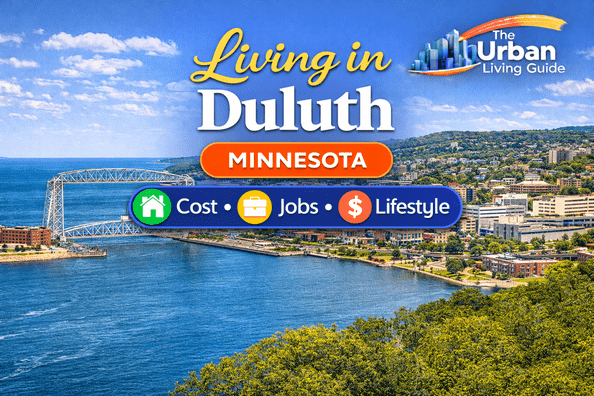
Living in Duluth, Minnesota in 2026: The Complete Local Guide to Twin Ports Careers, North Shore Outdoor Life, and Lake Superior Maritime Heritage
Perched dramatically along the steep, rocky bluffs overlooking the western tip of Lake Superior, living in Duluth, Minnesota offers an awe-inspiring combination of maritime history, pristine North Shore wilderness, and a resilient, unpretentious Midwestern community. As the county seat of St. Louis County and the economic anchor of Minnesota’s Arrowhead Region, this unique port city of approximately 86,000 to 88,000 residents stretches for miles along the coastline, creating a stunning vertical landscape where dense pine forests meet the largest freshwater lake in the world by surface area.
Affectionately nicknamed the “Zenith City of the Unsalted Seas,” Duluth has evolved far beyond its historic roots as a heavy shipping and iron-ore export hub into a vibrant outdoor recreation capital and medical center. Whether you are watching massive 1,000-foot freighters pass under the iconic Aerial Lift Bridge into the Duluth-Superior harbor, hiking the rugged trails of the Superior Hiking Trail, or enjoying craft brews in Canal Park, living here delivers an active, nature-immersed standard of living. Municipal governance, public safety updates, and community development initiatives are centrally managed through the official City of Duluth Government Portal.
If this city is new to you, use the map below to see exactly where it’s located and what’s nearby along the North Shore.
All quantitative metrics, economic data points, and community insights compiled within this living guide are synthesized from official municipal records, regional economic boards, and verified long-term resident feedback.
What Makes Duluth So Popular & Unique
Over recent decades, Duluth has captured national acclaim as one of the premier inland waterfront destinations in the United States. Key factors driving its sustained popularity include:
- Majestic Lake Superior Shoreline: Unmatched panoramic lake views, rugged bluffs, and immediate access to the world-famous North Shore Scenic Drive. Explore regional tourism initiatives via the Visit Duluth Official Tourism Portal.
- World-Class Outdoor Recreation: Over 100 city parks, thousands of acres of green space, and world-class mountain biking, skiing, and hiking trail networks.
- Historic Maritime Character: A bustling working harbor shared with Superior, Wisconsin, forming the legendary Twin Ports economic corridor.
- University and Creative Energy: Home to the University of Minnesota Duluth, fostering a vibrant student body, arts festivals, and cultural innovation.
Duluth at a Glance: Key Living Metrics
| Evaluation Metric | Local Data Overview & Regional Reality |
|---|---|
| Population | Approx. 86,000 to 88,000 within city limits (Principal city of the Twin Ports metro area) |
| Median Monthly Rent | Ranges from $850 to $1,850+ depending on unit size and lake view proximity |
| Average Annual Salary | Typically spans $55,000 to $95,000 across healthcare, shipping, and aviation sectors |
| Primary Economic Pillars | Healthcare delivery, port logistics and shipping, aviation manufacturing, tourism, and higher education |
| State Income Tax | Progressive state income tax structure ranging up to 9.85% across Minnesota |
| Average Summer High | Routinely reaches 70°F to 80°F during cool, refreshing Lake Superior summer afternoons |
| Primary Transit Mode | Duluth Transit Authority (DTA) bus network, regional highways, and personal vehicles |
Famous Personalities, Local Icons & Major Brands in Duluth
Duluth has a proud history of nurturing legendary musical icons, Hollywood stars, and world-class aviation manufacturers:
- Bob Dylan: The legendary Nobel Prize-winning singer-songwriter, cultural icon, and musical pioneer who was born in Duluth in 1941 (Bob Dylan Official Portal).
- Jessica Lange: The multi-Academy Award-winning Hollywood actress and dramatic powerhouse who grew up in Minnesota and maintains deep regional ties.
- Cirrus Aircraft: A revolutionary aviation manufacturer headquartered in Duluth, globally renowned for pioneering private personal jets and innovative safety parachute systems (Cirrus Aircraft Official Portal).
- Essentia Health & St. Luke’s Hospital: Massive regional healthcare systems driving cutting-edge medical care and historic downtown capital investments (Essentia Health Official Portal).
- Minnesota Duluth Bulldogs: The powerhouse NCAA Division I hockey programs bringing roaring collegiate sports excitement and national championship pride to the region (UMD Bulldogs Athletics Portal).
Job Market & Business Opportunities with Major Employers
The employment landscape in Duluth offers stable professional opportunities, specialized technical careers, and strong public-sector stability:
- Healthcare and Medical Services: Massive regional hospital networks providing thousands of nursing, clinical, and specialist medical positions.
- Port Logistics and Maritime Shipping: Operations tied to the Port of Duluth-Superior, managing grain, coal, iron ore, and heavy freight distribution.
- Aviation and Advanced Manufacturing: Specialized engineering and aircraft assembly careers anchored by corporate aviation leaders.
- Higher Education and Research: Major university campuses supporting academic teaching, scientific research, and student support services.
Housing & Real Estate Overview in Duluth
Navigating the real estate market in Duluth requires understanding its steep hillside topography, historic preservation, and lake view premiums:
- Diverse Architectural Stock: Features historic Victorian homes in the East Hillside, luxury modern residences in the Congdon Park Area, and urban loft conversions downtown. Track property assessments via the St. Louis County Assessor Portal.
- Affordability Relative to Twin Cities: Overall home purchase prices and rental rates remain noticeably more accessible than in Minneapolis or Saint Paul, though direct lakefront properties command a premium.
- Rental Market Inventory: Average monthly rent spans $850 to $1,150 for studio units, $1,000 to $1,350 for one-bedroom apartments, $1,350 to $1,850 for two-bedroom properties, and $2,000 to $3,200+ for single-family home rentals.
- Market Dynamics: Steady demand from university students and outdoor enthusiasts keeps residential inventory moving efficiently across popular hillside wards.
Best Neighborhoods in Duluth: Finding Your Ideal Community
| Neighborhood Name | Vibe & Lifestyle Character | Housing & Price Profile |
|---|---|---|
| Canal Park | Vibrant tourist and waterfront district featuring hotels, restaurants, maritime museums, and the Aerial Lift Bridge. | Modern condos, vacation rentals, and premium urban valuations. |
| East Hillside | Historic residential hillside community offering sweeping harbor views, community gardens, and character homes. | Historic character houses, multi-family homes, and accessible market values. |
| Congdon Park Area | Prestigious, affluent neighborhood known for mature trees, historic creek trails, and magnificent lakefront properties. | Grand historic homes, custom estates, and upscale valuations. |
| Lakeside-Lester Park | Peaceful family-oriented eastern neighborhood situated near creek parks and the Lake Superior shoreline. | Traditional single-family houses, suburban homes, and stable family pricing. |
| Downtown Duluth | Bustling commercial and cultural center featuring shopping arcades, theaters, office towers, and transit hubs. | Urban apartments, converted commercial lofts, and competitive pricing. |
Watch a recent video by a popular vlogger to understand daily life and vibes in Duluth.
What It’s Really Like Living in Duluth (Daily Life & Vibe)
Daily life in Duluth is defined by an invigorating, nature-driven rhythm deeply connected to the moods of Lake Superior and the surrounding hills:
- Active Waterfront & Trail Routines: Residents spend mornings walking or biking along the 7-mile Lakewalk trail, kayaking in the harbor, or hiking the Superior Hiking Trail. Explore park guidelines via the City of Duluth Parks and Recreation Portal.
- Culinary and Craft Brew Scene: Evenings feature local dining in Canal Park, sampling fresh Lake Superior fish, or visiting microbreweries along the craft beverage corridor.
- Festival and Maritime Traditions: Participating in beloved community events like the Homegrown Music Festival and the famous annual Grandma’s Marathon.
- Social Atmosphere: Resilient, welcoming, environmentally conscious, and fiercely proud of North Shore heritage.
Cost of Living in Duluth: Monthly Expenses & Salary Needs
The cost of living in Duluth sits moderately below national averages, offering favorable financial conditions compared to major metropolitan centers:
- Housing Overhead: $1,200 to $1,850+ covering standard apartment rentals across popular residential wards. Review regional economic data via the Bureau of Labor Statistics Midwest Information Office.
- Utilities & Power: $150 to $240 monthly for electricity, heating, water, and municipal waste services, with higher heating demands during freezing North Shore winters.
- Groceries & Household Goods: $320 to $460 depending on family size and shopping choices between local co-ops and supermarkets.
- Transportation Expenses: $120 to $210 covering DTA bus passes, fuel, and vehicle maintenance.
- Required Household Income: Single professionals or working households typically require an annual income between $60,000 and $80,000 to comfortably cover local living expenses and long-term savings goals.
Transportation, Commute Dynamics & Transit Realities
Duluth provides reliable regional transportation infrastructure designed to navigate the city’s steep hillside geography:
- DTA Bus Network: Public transit system operated by the Duluth Transit Authority, offering fixed bus routes connecting hillside neighborhoods to downtown and medical districts (Duluth Transit Authority Portal).
- Highway Connectivity: Excellent regional freeway access via Interstate 35 and U.S. Route 53, linking commuters southward toward the Twin Cities and northward into the Iron Range.
- Commute Times: Average daily commutes are refreshingly brief, typically ranging between 17 and 20 minutes during standard hours.
- Aviation Access: Proximity to Duluth International Airport (DLH), offering commercial flight connections to major Midwestern hubs (Duluth International Airport Portal).
Weather Patterns, Seasonal Realities & Climate Factors
The environmental rhythm of Duluth follows a unique North Shore microclimate shaped heavily by Lake Superior:
-
- Cool, Refreshing Summers: Summer daytime high temperatures routinely average 70°F to 80°F, offering natural air conditioning and relief from inland heatwaves.
- Cold, Snowy Winters: Winter seasons bring freezing temperatures, crisp air, and lake-effect snowfalls that create world-class cross-country skiing and snowmobiling conditions. Track active forecasts via the National Weather Service Duluth Portal.
Education, Schools & Major Universities
Educational institutions serve as premier anchors for academic excellence, scientific research, and workforce development across northeastern Minnesota:
- University of Minnesota Duluth (UMD): A premier public research university offering comprehensive undergraduate and graduate programs, NCAA hockey excellence, and cultural vibrancy (UMD Official Portal).
- College of St. Scholastica: Respected private Catholic liberal arts college known for excellent nursing, health sciences, and undergraduate education (College of St. Scholastica Portal).
- Lake Superior College: Providing accessible technical certifications, aviation maintenance training, and associate degrees (Lake Superior College Portal).
Medical Facilities, Hospitals & Healthcare Systems
Healthcare infrastructure in Duluth is advanced, highly specialized, and anchored by premier regional medical networks:
- Essentia Health: A massive regional health system operating flagship medical centers, trauma care units, and a massive downtown medical district redevelopment (Essentia Health Official Portal).
- St. Luke’s Hospital: A premier acute care hospital delivering comprehensive emergency services, surgical suites, and specialized family medicine.
- Specialized Regional Care: Serving as the primary advanced medical referral hub for all of northeastern Minnesota and northwestern Wisconsin.
Popular Hotels, Cafes, Dining & Culinary Scene
The hospitality and culinary identity of Duluth reflects historic maritime charm, resort luxury, and North Shore culinary innovation:
- Fitger’s Inn: Historic 19th-century brewery converted into a premier boutique hotel offering unique architecture, microbreweries, and picturesque lake views (Fitger’s Inn Portal).
- Pier B Resort Hotel: Luxury waterfront resort situated right at the water’s edge, offering fire pits, outdoor dining, and panoramic views of the Aerial Lift Bridge.
- Canal Park Dining: Bustling commercial district featuring waterfront restaurants, cafes, and local microbreweries.
Sightseeing, Cultural Spots & Tourist Attractions
Landmark cultural institutions and natural wonders significantly enhance the daily quality of life for local residents:
- Aerial Lift Bridge & Canal Park: The world-famous 1905 vertical lift bridge that spans the Duluth ship canal, welcoming massive lake freighters into the harbor.
- Glensheen Mansion: Magnificent 39-room historic Jacobean Revival estate situated on 12 lush acres along the Lake Superior shoreline (Glensheen Mansion Official Portal).
- Great Lakes Aquarium: Nationally recognized freshwater aquarium showcasing aquatic habitats of the Great Lakes and global river systems (Great Lakes Aquarium Portal).
Regional Trade-offs: Pros and Cons of Living in Duluth
Pros of Living in Duluth
- Breathtaking Lake Superior waterfront scenery and immediate gateway access to North Shore outdoor recreation.
- Affordable housing purchase prices and rental rates compared to major national metropolitan markets.
- Excellent outdoor recreation opportunities including hiking, skiing, and mountain biking trails.
- Strong healthcare and university presence providing stable professional employment.
- Friendly, welcoming community culture with a relaxed pace of life.
Cons of Living in Duluth
- Long, cold winter seasons featuring heavy lake-effect snowfall and sub-zero temperatures.
- Smaller private-sector corporate job market compared to the Twin Cities metropolitan area.
- Steep hillside topography requiring careful winter driving and property maintenance.
- Seasonal tourism crowds filling Canal Park during summer and autumn leaf-peeping months.
- Limited heavy rail public transportation options for regional commuting.
Who Is Duluth Ideal For — And Who Should Avoid It?
Who Duluth Is Ideal For
- Outdoor and Lake Enthusiasts: Residents who prioritize daily hiking, kayaking, skiing, and living near majestic water bodies.
- Budget-Conscious Homebuyers: Individuals and families seeking affordable housing, beautiful nature, and low cost of living in Minnesota.
- Healthcare and Academic Professionals: Doctors, nurses, researchers, and professors seeking stable careers at Essentia Health and UMD.
- Artists and Creative Writers: People inspired by dramatic landscapes, cool summer climates, and rich literary heritage.
Who Should Avoid Duluth
- Warm-Weather Enthusiasts: Individuals who despise freezing winter temperatures, snowstorms, and long heating seasons.
- Mega-City Nightlife Seekers: Residents looking for non-stop 24-hour metropolitan club scenes and dense urban nightlife.
- Car-Free Commuters: People who refuse to own a personal automobile and require extensive rapid transit networks across steep hills.
- Corporate Finance Professionals: Workers seeking massive concentrations of Wall Street financial headquarters and deep corporate banking towers.
Real Experiences: Perspectives from Long-Term Residents (5 to 10+ Years)
“Moving to the East Hillside nine years ago after living in Chicago was the best lifestyle change I could have made. Opening my window and seeing Lake Superior every morning never gets old. Housing is affordable, the mountain biking and hiking trails are world-class right in our backyard, and the community is tight-knit. Winters are long and cold, but the summers here are so pleasant and cool that it balances right out.”
[Source: r/duluth Community Discussions — u/NorthShoreHiker901, resident of 10 years]
“The big reality check for newcomers is that winter driving up and down the steep hills requires good winter tires, and you have to embrace the snow. However, the trade-off is completely worth it. The healthcare job market is extremely strong, the air is clean, and the access to the North Shore and Lake Superior is an absolute dream for anyone who loves nature.”
[Source: Local Resident Panels & Community Forums — David K., Lakeside homeowner of 12 years]
Frequently Asked Questions About Living in Duluth, Minnesota
Is Duluth expensive to live in compared to other U.S. cities?
No. Duluth maintains a moderate and accessible cost of living, offering median housing costs and everyday expenses below national averages.
What level of annual salary do individuals need to live comfortably in Duluth?
Most single professionals and working households find that an annual income between $60,000 and $80,000 provides a comfortable lifestyle covering rent or mortgage payments, utilities, transportation, and discretionary spending.
Can residents successfully live in Duluth without owning a personal vehicle?
While DTA bus lines serve central corridors, most residents rely on personal automobiles due to the city’s spread-out hillside geography and North Shore recreation access.
What are the best residential neighborhoods to consider in Duluth?
Top neighborhoods include Canal Park for waterfront living, East Hillside for historic harbor views, Congdon Park for upscale lakefront homes, and Lakeside-Lester Park for family suburban life.
How does commuting work for professionals working across Duluth?
Commuters primarily utilize Interstate 35 and U.S. Route 53, enjoying exceptionally brief average commute times of around 17 to 20 minutes during standard hours.
What are the primary natural and cultural highlights of Duluth?
Residents enjoy watching ships pass the Aerial Lift Bridge, hiking the Superior Hiking Trail, touring Glensheen Mansion, and visiting the Great Lakes Aquarium.
🔗 Explore More Cities in Minnesota
Looking beyond Duluth? The Urban Living Guide has also covered multiple popular cities across Minnesota that you can explore further:
- Living in Minneapolis, MN
- Living in Saint Paul, MN
- Living in Rochester, MN
- Living in Bloomington, MN
Before moving to Duluth, make sure you check:
For everything you need in one place, read our complete guide: Moving to Duluth, MN
These city guides provide detailed insights into everyday living, including housing costs, employment opportunities, neighborhoods, commute options, climate, education, local attractions, and key industries shaping each city.
By bringing all these insights together, The Urban Living Guide helps you compare different cities side by side and choose the one that aligns best with your lifestyle, priorities, and long-term goals.