
Introduction
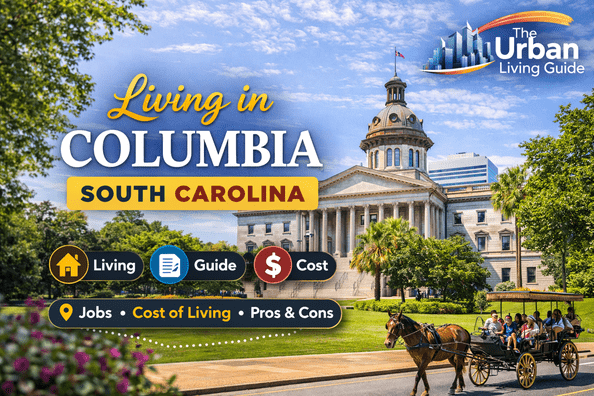
Located in the center of the state, Columbia, South Carolina serves as the capital city and an important economic and educational hub. Positioned at the meeting point of the Saluda River and Broad River, the city offers scenic waterfront areas along with a growing downtown district. Columbia is home to approximately 140,000 residents, while the metropolitan area has over 850,000 people.
The city’s economy is driven by government institutions, education, healthcare, and manufacturing industries. One of the most influential institutions in the region is the University of South Carolina, which attracts thousands of students and contributes significantly to the city’s culture and economy.
Many people researching living in Columbia South Carolina are drawn by its relatively affordable housing, steady job market, and relaxed southern lifestyle. Compared to coastal cities like Charleston, Columbia offers lower living costs while still providing access to parks, cultural events, and educational opportunities.
Families, students, and professionals often relocate here because the city combines a small-city atmosphere with the amenities of a growing urban center. Columbia’s tree-lined neighborhoods, historic districts, and expanding downtown area make it an appealing place for those seeking a balanced lifestyle.
Watch a recent video by a popular vlogger to understand daily life and vibes in Columbia.
Information in this guide is compiled from publicly available data, official city resources, economic reports, and local housing databases to ensure accuracy and reliability.
Last updated: March 2026
What Makes Columbia So Popular?
Columbia is known for being South Carolina’s capital and a major college city. Its central location, strong government presence, and affordable housing make it attractive for families and professionals. The city also hosts cultural festivals, sports events, and a growing restaurant scene.
👉 If you’re new to this region, the map below will help you get a clear idea of the city’s location.
🌟 Famous Personalities, Sports & Major Brands
Columbia has produced several notable personalities and hosts important institutions and companies.
Famous Personalities
One of the most famous people from the Columbia area is Ainsley Earhardt, a well-known television host and journalist. The city has also produced many athletes connected to the University of South Carolina sports programs.
Sports Presence
Sports are a major part of life in Columbia thanks to the South Carolina Gamecocks, the athletic teams representing the University of South Carolina. College football games at Williams-Brice Stadium draw tens of thousands of fans each season.
Major Brands & Businesses
Large employers in the region include Prisma Health, BlueCross BlueShield of South Carolina, and several manufacturing and logistics companies operating in the Midlands region.
Best Neighborhoods in Columbia
Columbia offers a variety of neighborhoods that appeal to families, students, and professionals.
Shandon
Shandon is one of the most historic and charming neighborhoods in Columbia. Known for its tree-lined streets and classic homes, it attracts families and professionals.
Forest Acres
Located just east of downtown, Forest Acres offers excellent schools, shopping centers, and quiet residential areas.
Downtown / Vista District
The Vista district is one of Columbia’s most vibrant areas, featuring restaurants, art galleries, and entertainment venues. Young professionals often choose this area for its lively atmosphere.
These neighborhoods highlight the diverse living options available in Columbia.
Housing & Rent in Columbia
Housing in Columbia is generally more affordable compared to many U.S. cities.
Average rent ranges include:
Studio apartments: $1,000 – $1,300
1-bedroom apartments: $1,200 – $1,600
Family homes: $1,900 – $2,800+
Historic neighborhoods near downtown may command higher prices, while suburban areas provide more affordable options.
For individuals researching living in Columbia South Carolina, housing affordability is one of the biggest advantages compared to larger metropolitan areas.
Rental figures are based on aggregated listing data and recent market trends.
Read our detailed guide on Best Neighborhoods in Columbia.
Job Market & Business Opportunities
Columbia’s economy is supported by government services, education, healthcare, and manufacturing.
Major industries include:
Government and public administration
Education and universities
Healthcare
Manufacturing
Logistics
Large employers include Prisma Health, University of South Carolina, and BlueCross BlueShield of South Carolina.
Average salaries in Columbia typically range between $50,000 and $75,000 depending on industry and experience.
Economic information is commonly referenced through the South Carolina Department of Commerce.
What It’s Really Like Living in Columbia
Daily life in Columbia offers a relaxed southern atmosphere combined with a lively college-town energy. Residents often spend mornings at local coffee shops or walking through parks along the Congaree River.
The presence of the University of South Carolina brings cultural events, sports games, and student activities to the city throughout the year. Downtown Columbia continues to grow with new restaurants, breweries, and entertainment venues.
Weekends often include outdoor activities such as kayaking on the rivers, visiting Congaree National Park, or attending college football games.
For many people considering living in Columbia South Carolina, the balance between affordability, education, and community atmosphere makes the city appealing.
Overall, Columbia provides a comfortable lifestyle with a strong sense of community 😊
Cost of Living in Columbia
The cost of living in Columbia is lower than the national average in many categories.
Cost estimates are derived from official statistics and city-level cost databases.
Typical monthly expenses include:
Rent: $1,200 – $2,500 depending on housing
Utilities: $150 – $250
Groceries: $300 – $450 per person
Transportation: $150 – $300
Healthcare: $250 – $500
A comfortable salary for individuals generally ranges between $60,000 and $75,000 annually.
When evaluating living in Columbia South Carolina, many residents appreciate the relatively affordable housing and everyday expenses.
Compared to Charleston, living costs in Columbia are generally lower in housing and transportation while similar in groceries and utilities.
See full salary breakdown in our Columbia Salary Guide.
Transportation & Traffic
Transportation in Columbia mainly relies on personal vehicles.
Major highways such as Interstate 20, Interstate 26, and Interstate 77 connect the city to other major destinations in the Southeast.
Public transportation is available through the COMET bus system, though most residents drive.
Average commute times typically range between 20 and 25 minutes.
The nearby Columbia Metropolitan Airport provides domestic flight connections.
Weather & Environment
Columbia has a humid subtropical climate with warm summers and mild winters.
Summer temperatures often reach 90°F, while winters remain relatively mild with temperatures around 50–60°F.
The city experiences plenty of sunshine but also occasional thunderstorms during summer months.
Climate information is commonly referenced through the National Weather Service.
Popular Hotels, Cafes & Restaurants
Columbia offers a growing dining and hospitality scene.
Popular Hotels
Well-known hotels include Graduate Columbia, Hilton Columbia Center, and Marriott Columbia.
Cafes & Cultural Spots
Popular coffee shops include Indah Coffee and Drip Coffee, both known for their relaxed local atmosphere.
Restaurants
Dining options range from southern comfort food to modern restaurants such as Motor Supply Company Bistro and Blue Marlin.
Sightseeing & Tourist Attractions
Columbia offers several attractions for residents and visitors.
Popular sites include the South Carolina State House, Riverbanks Zoo & Garden, and Congaree National Park located nearby.
The city also features museums, parks, and historic districts.
Hostels & Budget Stay Options
Budget accommodation options include smaller hotels, student housing, and affordable inns located around downtown and university areas.
These options appeal to students, travelers, and visitors searching for cheap stay in Columbia.
Quick Snapshot of Living in Columbia
Population: ~140,000
Median household income: ~$70,000
Average rent: $1,200 – $2,500
Average commute time: ~23 minutes
Climate: Humid subtropical climate
Education & Universities
Columbia is known as one of the major college towns in South Carolina.
The University of South Carolina is the largest university in the state and plays a major role in the city’s economy and culture.
Public schools are operated by Richland County School Districts.
Pros and Cons of Living in Columbia
Pros
• Affordable cost of living
• Strong education and university presence
• Central location in South Carolina
• Growing job market
• Friendly community atmosphere
Cons
• Hot and humid summers
• Limited public transportation
• Smaller nightlife compared to large cities
• Traffic congestion during university events
• Fewer coastal attractions
Many residents still enjoy the balance between affordability and quality of life 😊
Is Columbia a Good Place to Live in 2026?
Columbia continues to grow as an important economic and educational center in South Carolina. Its affordable housing, steady job opportunities, and strong university presence make it attractive for families, students, and professionals.
For individuals considering living in Columbia South Carolina, the city offers a combination of affordability, education, and community atmosphere that is difficult to find in many larger cities.
🔗 Explore More Cities in South Carolina
If you’re considering options beyond Columbia, The Urban Living Guide has also explored several other well-known cities across South Carolina. You may also want to check:
Each of these guides highlights what daily life looks like in different cities, including insights on cost of living, housing trends, job opportunities, local neighborhoods, commute patterns, weather conditions, education options, popular areas, and major employers.
With The Urban Living Guide, all this information is organized in one place so you can easily compare cities and decide which one suits your lifestyle, budget, and future plans.