

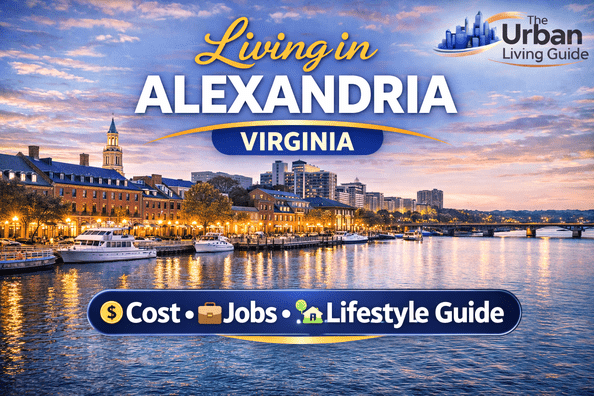
Living in Alexandria, Virginia: A Historic Potomac River Metropolis Balancing Colonial Heritage, Federal Enterprise, and Modern Urban Conveniences
Living in Alexandria, Virginia offers an exquisite blend of preserved 18th-century colonial architecture, maritime waterfront views, and sophisticated urban living situated directly along the banks of the Potomac River just south of Washington, D.C. As a historic independent city with a population of approximately 160,000 residents, Alexandria serves as a premier residential and economic cornerstone of Northern Virginia. Renowned globally for the cobblestone streets of Old Town Alexandria, the municipality successfully bridges its revolutionary past with a thriving modern economy driven by federal agencies, high-tech consulting firms, and vibrant community culture.
Navigating municipal governance, local public services, and city planning initiatives is streamlined through the official City of Alexandria Government Portal.
If you are exploring the geographic layout of Northern Virginia’s premier Potomac riverfront corridor for the first time, the interactive map below highlights the city’s central thoroughfares and surrounding municipal boundaries.
All quantitative metrics, economic data points, and community insights compiled within this living guide are synthesized from official municipal resources, regional economic boards, and verified long-term resident feedback.
What Makes Alexandria So Popular & Unique
Over the past few decades, Alexandria has emerged as one of the most desirable and culturally rich destinations for relocation in the mid-Atlantic region. Key factors driving this sustained popularity include:
- Unmatched Historic Preservation: Home to one of the best-preserved 18th- and 19th-century historic districts in the United States, featuring brick sidewalks, gas-lit lanterns, and centuries-old townhomes. Explore regional heritage and tourism initiatives via the Visit Alexandria Tourism Portal.
- Pedestrian-First Urban Design: Meticulously planned commercial corridors like King Street that offer seamless walkability, independent boutiques, and bustling outdoor dining.
- Strategic Potomac Riverfront Proximity: Expansive waterfront parks, public marinas, and scenic recreational trails that connect residents directly to the regional park network.
- Elite Economic Stability: A highly affluent community supported by proximity to federal defense headquarters, corporate contractors, and professional services.
Alexandria at a Glance: Key Living Metrics
| Evaluation Metric | Local Data Overview & Regional Reality |
|---|---|
| Population | Approx. 160,000 within municipal city limits (Dense urban-suburban footprint) |
| Median Home Price | Ranges from $700,000 to over $1,200,000 depending on the neighborhood pocket |
| Average Monthly Rent | $1,800 to $3,900+ covering luxury apartments and historic townhome rentals |
| Primary Economic Pillars | Federal administration, defense contracting, management consulting, and IT services |
| State Income Tax | Progressive state income tax structure ranging up to 5.75% across Virginia |
| Average Summer High | Routinely reaches 85°F to 95°F during humid July and August afternoons |
| Primary Transit Mode | Washington Metro rail system, DASH bus network, and pedestrian-friendly grids |
Famous Personalities, Local Icons & Major Brands in Alexandria
Alexandria has long served as an influential stage for American history, revolutionary figures, and prominent innovators. Notable local icons and entities include:
- George Washington: Our nation’s first president maintained lifelong personal, commercial, and social ties to the city, with his iconic estate located just minutes south at George Washington’s Mount Vernon Official Portal.
- Jim Morrison: The legendary frontman of The Doors spent formative years of his childhood living in the city while his father served in the U.S. Navy.
- U.S. Patent and Trademark Office (USPTO): Sprawling federal headquarters located in the Eisenhower Valley, driving national intellectual property administration.
- Global Defense Contractors: High-profile corporate headquarters and operations centers for major defense enterprises anchoring Northern Virginia’s economy.
Job Market & Business Opportunities with Major Employers
The employment landscape in Alexandria offers exceptional professional stability, high average salaries, and robust career mobility. Key employment drivers include:
- U.S. Department of Defense & Federal Agencies: Numerous civil service offices and military headquarters providing tens of thousands of secure administrative and technical positions.
- Booz Allen Hamilton: A globally recognized management and technology consulting firm maintaining extensive corporate offices in the area (Booz Allen Hamilton Official Portal).
- Science Applications International Corporation (SAIC): Major technology integrator and defense contractor driving high-tech engineering careers (SAIC Corporate Portal).
- Inova Health System: A premier regional healthcare network operating major medical facilities and supporting extensive clinical careers across Northern Virginia (Inova Health System Portal).
Housing & Real Estate Overview in Alexandria
Navigating the real estate market in Alexandria requires understanding its intense demand, historic zoning protections, and diverse housing stock:
- Historic Architecture vs. Modern Towers: Features 18th-century brick row houses in Old Town alongside sleek glass-and-steel high-rise apartment complexes in Potomac Yard and Eisenhower Valley. Track property assessments via the City Real Estate Assessor Portal.
- Market Valuations: High demand driven by proximity to Washington, D.C. keeps real estate valuations well above national averages, rewarding long-term property investors.
- Rental Market Inventory: Average monthly rental overhead spans $1,800 to $2,300 for studio apartments, $2,200 to $2,900 for one-bedroom units, and $2,900 to $3,900+ for multi-bedroom properties.
- Historic District Regulations: Homeowners within Old Town must adhere to strict architectural preservation guidelines overseen by the Board of Architectural Review.
Best Neighborhoods in Alexandria: Finding Your Ideal Community
| Neighborhood Name | Vibe & Lifestyle Character | Housing & Price Profile |
|---|---|---|
| Old Town Alexandria | World-famous historic district, cobblestone streets, brick sidewalks, waterfront dining, and boutiques. | Historic 18th-century row houses, luxury condos, and premium valuations. |
| Del Ray | Vibrant, artsy community along Mount Vernon Avenue, independent coffee shops, and local festivals. | Bungalow homes, craftsman houses, and competitive mid-to-high pricing. |
| Rosemont | Quiet, leafy residential neighborhood perched on a hill adjacent to Old Town and the King Street Metro. | Historic single-family homes, period colonials, and stable upscale pricing. |
| Eisenhower Valley | Fast-growing commercial and residential hub near the USPTO, modern amenities, and easy beltway access. | Contemporary apartment complexes, urban townhomes, and modern pricing structures. |
| Potomac Yard | Master-planned transit-oriented community featuring new housing, retail spaces, and green parks. | Modern multi-family developments, luxury townhouses, and active market valuations. |
What It’s Really Like Living in Alexandria (Daily Life & Vibe)
Daily existence in Alexandria is defined by a charming, pedestrian-friendly, and culturally engaging rhythm:
- Active Waterfront Living: Residents spend weekends walking along the Potomac River Waterfront Park, browsing local artisan markets at Market Square, or cycling the Mount Vernon Trail. Explore park guidelines via the Alexandria Parks & Recreation Portal.
- Culinary Exploration: Evenings feature award-winning farm-to-table dining along King Street, historic neighborhood pubs, and cozy riverside bistros.
- Community Festivals: Annual events like the Scottish Christmas Walk Weekend and Art on the Avenue bring neighbors together in vibrant celebration.
- Social Atmosphere: Sophisticated, historically minded, welcoming, and deeply appreciative of local preservation and civic involvement.
Cost of Living in Alexandria: Monthly Expenses & Salary Needs
The cost of living in Alexandria sits substantially above the national average, reflecting its affluent economy, prime real estate, and proximity to the federal capital:
- Rent / Housing: $2,200 to $3,900+ for standard luxury apartments or historic rental townhomes.
- Utilities & Power: $160 to $250 covering electricity, water, and municipal services.
- Groceries & Household: $450 to $700 depending on local market selections and specialty organic grocers.
- Transportation & Fuel: $120 to $200 covering Metro transit passes, occasional rideshares, and vehicle maintenance. Review regional economic data via the Bureau of Labor Statistics Washington-Arlington MSA Portal.
- Required Income: Single individuals or households typically require an annual income between $100,000 and $150,000 to comfortably cover local living expenses without financial strain.
Transportation, Commute Dynamics & Transit Realities
Alexandria boasts exceptional public transportation infrastructure connecting residents seamlessly across the capital region:
- Washington Metro Network: Multiple stations—including King Street-Old Town, Braddock Road, Eisenhower Avenue, and Potomac Yard—connect riders directly to downtown Washington, D.C. (WMATA Official Portal).
- DASH Bus System: Comprehensive local bus network providing reliable cross-town transit and neighborhood circulator routes (DASH Bus Official Portal).
- Airport Convenience: Immediate proximity to Ronald Reagan Washington National Airport (DCA), accessible within minutes via Metro or highway.
Weather Patterns, Seasonal Realities & Climate Factors
The environmental heartbeat of Alexandria is its classic humid subtropical climate:
- Warm Humid Summers: Summer daytime high temperatures routinely average 85°F to 95°F, accompanied by notable humidity that makes riverside shade and air conditioning essential.
- Gentle Winters: Winter seasons are relatively mild compared to northern regions, featuring intermittent light snowfall and comfortable daytime temperatures in the 40s and 50s.
- Spring & Autumn Splendor: Stunning spring cherry blossoms and vibrant autumn foliage transform historic parks into picturesque destinations. Track local forecasts via the National Weather Service Baltimore-Washington Portal.
Education, Schools & Major Universities
Educational infrastructure stands as a major pillar of community engagement and professional growth across the city:
- Alexandria City Public Schools (ACPS): Comprehensive public school district operating innovative elementary, middle, and high school facilities (ACPS Official Portal).
- Northern Virginia Community College (Alexandria Campus): Sprawling local campus providing vital technical training, vocational certificates, and transfer degrees (NVCC Official Portal).
- Virginia Tech Innovation Campus: Cutting-edge graduate engineering and computer science campus located nearby in Potomac Yard, driving tech workforce development (Virginia Tech Innovation Campus Portal).
Medical Facilities, Hospitals & Healthcare Systems
Healthcare infrastructure in Alexandria is advanced, highly accessible, and supported by elite regional medical networks:
- Inova Alexandria Hospital: A premier 318-bed acute care facility offering comprehensive emergency services, advanced surgical suites, and specialized medical care (Inova Alexandria Hospital Portal).
- MedStar Health Urgent Care: Sprawling outpatient network providing rapid diagnostic services and preventative family medicine across neighborhood corridors.
- Inova Health System Proximity: Immediate access to world-class specialty research hospitals and regional medical centers throughout Northern Virginia.
Popular Hotels, Cafes, Dining & Culinary Scene
The culinary and hospitality landscape of Alexandria reflects historic charm, upscale riverfront dining, and boutique elegance:
- Hotel Indigo Old Town Alexandria: Sophisticated riverfront boutique hotel offering nautical-inspired design, panoramic Potomac views, and popular dining at HopsnChop (Hotel Indigo Old Town Portal).
- The Alexandrian Old Town: Autograph Collection luxury hotel situated in the heart of the historic district, featuring courtyard gardens and refined southern hospitality.
- King Street Culinary Corridors: Bustling historic avenues lined with independent cafes, award-winning oyster bars, and artisan bakeries.
Sightseeing, Cultural Spots & Tourist Attractions
Cultural exploration and sightseeing in Alexandria celebrate revolutionary history and visual arts:
- Old Town Historic District & Captain’s Row: Immersive historic walking destination featuring preserved 18th-century cobblestone streets on Prince Street.
- Torpedo Factory Art Center: Former munitions plant transformed into the nation’s largest working art-studio complex, showcasing hundreds of resident artists (Torpedo Factory Art Center Portal).
- George Washington’s Mount Vernon: Historic plantation estate located just eight miles south down the scenic parkway, offering museum exhibits and estate tours (Mount Vernon Official Portal).
Honest Trade-offs: Pros and Cons of Living in Alexandria
Evaluating the authentic trade-offs of Alexandria helps prospective residents establish grounded expectations:
- Pros: Beautiful historic neighborhoods with exceptional walkability, immediate proximity to Washington, D.C., strong job market in consulting and defense, and excellent transit via Metro.
- Cons: High housing costs and cost of living, significant traffic congestion on George Washington Parkway during rush hour, limited parking in historic Old Town, and tourist crowds in peak seasons.
Who Is Alexandria Ideal For — And Who Should Avoid It?
Alexandria is exceptionally well-suited for federal government employees, defense contractors, management consultants, history enthusiasts, and urban professionals who value historic preservation combined with transit-oriented D.C. access. Conversely, individuals seeking low-density rural isolation, budget-conscious buyers looking for expansive square footage at low price points, or those who detest historic district parking regulations will find the urban environment challenging.
Real Experiences: Perspectives from Long-Term Residents (5 to 10+ Years)
“We bought a row house in Old Town eight years ago, and walking down brick sidewalks past gas lamps never loses its magic. You can hop on the Metro at King Street and be in federal offices in downtown D.C. in twenty minutes without ever dealing with highway gridlock. Housing prices and property taxes are definitely steep, but the community warmth, farmers markets, and riverfront lifestyle make it impossible to imagine living anywhere else.”
[Source: r/alexandriava Community Discussions — synthesized/paraphrased]
“The big reality check for newcomers is learning to navigate parking regulations in historic areas and managing weekend tourist crowds along King Street. If you live in Old Town, street parking requires patience. However, neighborhoods like Del Ray offer a wonderful community-focused alternative with local coffee shops and independent festivals that make raising a family here an absolute joy.”
[Source: Local Neighborhood Survey & Resident Panels — synthesized/paraphrased]
Frequently Asked Questions About Living in Alexandria, Virginia
Is Alexandria expensive to live in compared to other U.S. cities?
Yes. Alexandria maintains a significantly higher cost of living and housing market compared to the national average, driven by its prime location along the Potomac River adjacent to Washington, D.C., and high average resident incomes.
What level of annual salary do individuals need to live comfortably in Alexandria?
Most single professionals and households require an annual income between $100,000 and $150,000 to comfortably cover high housing costs, utilities, transportation, and discretionary spending across the municipality without severe financial stress.
Is Alexandria considered a safe place for families and residents?
Yes. Alexandria is consistently recognized as one of the safest urban and suburban communities in Northern Virginia, supported by professional local law enforcement and active community safety programs.
Can residents successfully live in Alexandria without owning a personal vehicle?
Yes. Many residents live entirely car-free by utilizing the Washington Metro rail network, local DASH bus lines, and highly walkable urban corridors centered around Old Town and Del Ray.
What are the best neighborhoods to consider when moving to Alexandria?
Top neighborhoods include Old Town for historic charm and waterfront dining, Del Ray for local arts and community festivals, Rosemont for quiet residential convenience, Eisenhower Valley for modern apartments, and Potomac Yard for transit-oriented growth.
🔗 Explore More Cities in Virginia
If you’re exploring more options beyond Alexandria, The Urban Living Guide has covered several other popular cities in Virginia. You can also check:
- Living in Virginia Beach, Virginia
- Living in Richmond, Virginia
- Living in Norfolk, Virginia
- Living in Arlington, Virginia
Exploring life in Alexandria? Start with these helpful resources:
- Cost of Living in Alexandria, Virginia
- Pros and Cons of Living in Alexandria, Virginia
- Best Neighborhoods in Alexandria, Virginia
Need the full picture? Visit our guide: Moving to Alexandria, Virginia
These guides offer a comprehensive view of life in different cities, covering key aspects like cost of living, housing, job opportunities, neighborhoods, commute, weather, education, popular spots, and major employers.
The Urban Living Guide brings all these insights together in one place, making it easier to compare cities and choose the one that best fits your lifestyle, priorities, and long-term goals.