

From Steel Mills to Robotics Hubs: What Living in Pittsburgh Really Feels Like in 2026
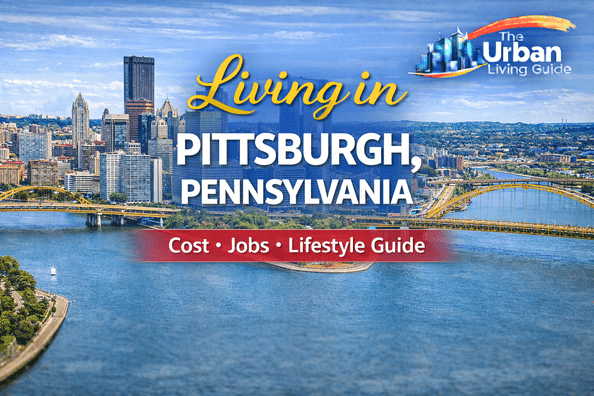
Positioned dramatically in western Pennsylvania where the Allegheny, Monongahela, and Ohio rivers meet, Living in Pittsburgh, Pennsylvania offers an inspiring story of post-industrial rebirth, architectural grandeur, and affordable urban living. Famously celebrated as the Steel City for fueling America’s 20th-century infrastructure, Pittsburgh now anchors a thriving metropolitan population exceeding 2.3 million people, with roughly 300,000 residents inside city limits. Propelled by world-class research institutions like Carnegie Mellon University and the University of Pittsburgh, the city has transformed into a global powerhouse for robotics, artificial intelligence, and advanced medicine.
Relocating to western Pennsylvania places you in a stunning geography defined by more than 440 bridges, dramatic river valleys, and distinct, close-knit neighborhoods. While the city provides big-city amenities and a relatively low cost of living compared to coastal tech hubs, thriving here requires adjusting to hilly terrain, variable weather patterns, and aging infrastructure. Whether you are seeking a high-tech engineering career in robotics or a historic home in Shadyside or Squirrel Hill, Pittsburgh delivers a gritty, deeply loyal, and culturally vibrant lifestyle.
What Makes Pittsburgh So Popular & Unique
Pittsburgh commands national acclaim because it successfully reinvented its heavy manufacturing identity into a thriving high-tech, medical, and educational corridor while maintaining remarkable real estate affordability. Centered around iconic downtown landmarks like Point State Park and the historic Duquesne Incline, the city is a visually stunning architectural masterpiece. For newcomers looking to access municipal services, utility maps, or community event schedules, the official City of Pittsburgh portal serves as an essential digital gateway.
- The City of Bridges: Home to more than 440 bridges, creating one of the most dramatic and recognizable skylines in North America.
- World-Class Robotics & Tech: A global epicenter for artificial intelligence and robotics research anchored by Carnegie Mellon University.
- Exceptional Housing Affordability: Median home prices remain remarkably accessible, allowing families and professionals to build long-term real estate equity.
- Legendary Sports Culture: Home to some of the most fiercely passionate sports fanbases in professional football, hockey, and baseball.
Pittsburgh at a Glance: Key Relocation Metrics
Reviewing these baseline statistics helps establish realistic expectations for your transition to Allegheny County. These figures reflect current western Pennsylvania market conditions and regional economic benchmarks.
| Metric | Pittsburgh City Data | Metropolitan Context |
|---|---|---|
| City Population | ~300,000 Residents | Exceeds 2.3 Million across the greater metro area |
| Median Home Price | $230,000 – $310,000 | Significantly below coastal and northeast metropolitan medians |
| Average 1BR Rent | $1,200 – $1,700 | Manageable rental entry points across urban and suburban districts |
| Average Commute | 25 – 35 Minutes | Navigates river tunnels and bridge bottlenecks daily |
| Top Industries | Healthcare, Robotics, AI, Higher Ed | Finance, corporate banking, and advanced biotechnology |
If you’re new to this region, the map below will help you get a clear idea of the city’s location.
Famous Personalities, Pop Artists & Major Brands in Pittsburgh
Pittsburgh’s cultural footprint has shaped Hollywood cinema, avant-garde art, professional athletics, and international corporate finance for generations.
- Notable Personalities: The city is proud to be the hometown of acclaimed Hollywood actor Michael Keaton, actor and musician Jeff Goldblum, and the legendary pop art pioneer Andy Warhol.
- Professional Sports: Sports run through the absolute soul of the local community, supported by legendary fanbases cheering for the Pittsburgh Steelers (NFL), Pittsburgh Penguins (NHL), and Pittsburgh Pirates (MLB).
- Corporate Footprint: The regional economy acts as the command center for major enterprises like PNC Financial Services, UPMC, Highmark Health, the historic Heinz Company, and language-learning innovator Duolingo.
Job Market & Business Opportunities with Major Employers
Pittsburgh features a highly diversified, recession-resistant job market anchored by world-class medical centers, cutting-edge robotics laboratories, higher education, and corporate banking. Whether you are developing artificial intelligence software or managing healthcare administration, professional opportunities here offer strong long-term stability.
Key employers driving local prosperity include UPMC, PNC Financial Services, Highmark Health, and Duolingo. Official economic reference data from the Pennsylvania Department of Labor & Industry highlights that average salaries typically range between $65,000 and $110,000 annually, providing strong middle-class purchasing power relative to housing costs.
- Entry-level salaries: Typically range between $45,000 – $60,000 across administrative, research support, and entry tech roles.
- Mid-career professionals: Generally span $65,000 – $95,000 for experienced nurses, software engineers, and financial analysts.
- Senior robotics and specialized medical roles: Frequently scale to $110,000+, supporting comfortable homeownership across Allegheny County.
Housing & Real Estate Overview in Pittsburgh
Housing affordability stands as one of Pittsburgh’s most powerful competitive advantages for newcomers. In 2026, median home prices range between $230,000 and $310,000, allowing buyers to purchase gorgeous historic brick homes, Victorians, or modern townhouses for a fraction of what they cost in eastern Pennsylvania or coastal metros.
The rental market remains accessible, offering diverse options across urban neighborhoods and family-oriented suburbs. Current average monthly rent projections are:
- Studio Apartment: $900 – $1,200
- 1 Bedroom Apartment: $1,200 – $1,700
- 2 Bedroom Apartment: $1,700 – $2,300
- Family Home Rentals: $2,400 – $3,500+
Achieving homeownership in Pittsburgh is entirely realistic for middle-income earners, making it a premier destination for individuals looking to build long-term real estate equity.
Best Neighborhoods in Pittsburgh: Finding Your Ideal Community
Choosing the right neighborhood in Pittsburgh defines your daily commute, social life, and architectural surroundings. Each district offers an entirely unique character. Neighborhood insights are based on local housing trends, safety reports, and resident surveys. The table below outlines the most prominent residential zones.
| Neighborhood / Category | Location, Pricing & Community Overview |
|---|---|
| Shadyside (Vibrant & Walkable) | One of the city’s most popular neighborhoods, known for upscale shopping streets on Walnut and Ellsworth, historic Victorian homes, and excellent restaurant options. |
| Squirrel Hill (Family & Academic) | A family-friendly residential haven featuring mature trees, local parks, independent bakeries, and immediate proximity to both CMU and Pitt campuses. |
| Lawrenceville (Trendy & Artistic) | A trendy neighborhood known for craft breweries, indie art galleries, hipster cafes, and stylishly converted industrial row houses. |
| Mount Washington (Scenic Overlook) | Famous for its breathtaking panoramic views of the downtown Pittsburgh skyline, accessed via the historic Duquesne and Monongahela inclines. |
| Downtown Pittsburgh (Urban Core) | The bustling central business district offering modern loft apartments, corporate headquarters, theaters, and walking access to Point State Park. |
What It’s Really Like Living in Pittsburgh, Pennsylvania (Daily Life & Vibe)
Daily life in Pittsburgh combines historic blue-collar pride with a sophisticated, intellectual university energy. Residents enjoy a comfortable routine filled with weekend visits to Phipps Conservatory, riding the historic inclines for skyline views, and cheering on the black and gold during football and hockey seasons. The city’s unique geography of rivers and bridges gives every neighborhood a distinct, village-like character.
Weekends are packed with outdoor recreation, whether that means biking along the Three Rivers Heritage Trail, exploring world-class museums in Oakland, or dining out in Lawrenceville. While the city’s hilly terrain and gray winter skies require some mental adjustment, its unmatched friendliness, affordability, and cultural depth create an exceptionally rewarding place to call home.
Step into the rhythm of western Pennsylvania and explore everyday sights through the lens of local creators:
Cost of Living in Pittsburgh: Monthly Expenses & Salary Needs
Pittsburgh offers a highly favorable cost of living that sits comfortably below the national average. Cost estimates are derived from official statistics and city-level cost databases. To maintain a secure, comfortable standard of living and achieve homeownership, an individual professional should target a salary of $70,000+, while households generally require $110,000+.
- Average Rent: $1,200 to $2,300 depending on apartment size and neighborhood.
- Monthly Utilities: $140 – $220 (Covering electricity, water, and heating).
- Groceries & Household Goods: $350 – $600 per month based on household needs.
- Transportation: $90 – $180 for public transit passes or vehicle upkeep.
- Healthcare Costs: Aligned with regional benchmarks, supported by massive health networks like UPMC.
Transportation, Commute Dynamics & Transit Realities
Getting around Pittsburgh and connecting to the wider Allegheny County region is supported by a multi-modal transportation network:
- Pittsburgh Regional Transit (PRT): Comprehensive bus networks alongside the light rail system (The T) connecting downtown to the North Shore.
- Historic Inclines: The Duquesne and Monongahela inclines providing funicular rail transit up and down Mount Washington.
- Major Highways & Airport: Excellent driving connectivity via I-376 and I-279, alongside Pittsburgh International Airport (PIT) for domestic and international travel.
- Commute Times: Average daily commute times range between 25 and 35 minutes, though river tunnels and bridge bottlenecks during peak hours can cause delays.
- Car Preference: While public transit serves urban corridors well, many residents prefer personal vehicles to navigate hilly terrain and suburban neighborhoods.
Weather Patterns, Seasonal Realities & Climate Factors
Pittsburgh experiences distinct four-season weather influenced heavily by its river valley topography:
- Spring: Mild and blossoming, offering wonderful conditions for exploring Point State Park and outdoor trails.
- Summer: Warm and humid with daytime temperatures averaging around 75°F to 85°F.
- Autumn: Crisp, cool weather accompanied by breathtaking fall foliage across regional hillsides.
- Winter: Cold with freezing temperatures and seasonal snowstorms, requiring proper winter gear and snow tires for navigating steep hills.
- Climate Reference: Official meteorological tracking and climate data are provided by the National Weather Service Western Pennsylvania region.
Education, Schools & Major Universities
Higher education serves as a massive economic and intellectual pillar for the entire region. Pittsburgh hosts prestigious higher education institutions such as the University of Pittsburgh, Carnegie Mellon University, and Duquesne University. For families navigating K-12 schooling, neighborhood options vary, with suburban districts and select city catchment zones offering strong academic programs.
Medical Facilities, Hospitals & Healthcare Systems
Access to advanced, cutting-edge healthcare is one of Pittsburgh’s strongest community assets. The city is home to world-class medical institutions, anchored by UPMC and Highmark Health networks. These premier hospital systems provide exceptional specialized care, trauma emergency services, and comprehensive medical research facilities locally.
Popular Hotels, Cafes, Dining & Culinary Scene
Pittsburgh’s hospitality and culinary scene has expanded dramatically, blending historic industrial brick architecture with innovative dining.
- Popular Hotels: Visitors and executive travelers frequently book stays at standout local luxury properties like the Fairmont Pittsburgh, Omni William Penn Hotel, or Kimpton Hotel Monaco Pittsburgh.
- Cafes & Social Hubs: Independent coffee roasters and artisan bakeries thrive throughout Shadyside, Lawrenceville, and the Cultural District, acting as vibrant remote-work hubs.
- Restaurants: From classic Primanti Bros. sandwiches and historic steakhouses to acclaimed farm-to-table bistros, Pittsburgh’s food scene is diverse and thriving.
Sightseeing, Cultural Spots & Tourist Attractions
Residents live surrounded by remarkable cultural museums, scenic waterways, and historic American landmarks.
- Point State Park: A magnificent 36-acre downtown park featuring a towering 100-foot fountain right where the three rivers converge.
- Andy Warhol Museum: The largest museum in North America dedicated to a single artist, celebrating the iconic pop culture icon.
- Carnegie Museums & Phipps Conservatory: World-class natural history and art museums alongside stunning botanical gardens in Schenley Park.
- Mount Washington Overlook: Offering the most famous postcard views of the entire Pittsburgh skyline and river bridges.
Regional Trade-offs: Pros and Cons of Living in Pittsburgh
Every major city requires compromise. Here is the unvarnished reality for anyone planning a move to the Steel City in 2026:
Pros:
- Exceptionally affordable housing and rental markets compared to coastal U.S. metros.
- World-class higher education institutions and a booming robotics and tech sector.
- Stunning river views, bridges, and rolling hillside topography.
- Passionate sports culture and vibrant neighborhood arts districts.
- World-class healthcare systems offering stable employment opportunities.
Cons:
- Cold, snowy winters and steep hills that require careful driving preparation.
- Overcast, cloudy weather during late autumn and winter months.
- Traffic bottlenecks across river tunnels and historic bridges during rush hour.
- Aging municipal infrastructure in certain older urban pockets.
- A more modest late-night nightlife and entertainment infrastructure than larger hubs.
Who Is Pittsburgh Ideal For (and Who Should Avoid It?)
Ideal For: First-time homebuyers seeking market entry, robotics engineers, healthcare professionals, academic researchers, and sports enthusiasts looking for authentic regional culture.
Who Should Avoid It: Individuals who despise gray skies and cold snowy winters, corporate professionals requiring ultra-high coastal finance salaries, and those craving massive mega-city nightlife.
Real Experiences: Perspectives from Long-Term Residents (5 to 10+ Years)
Data gives you the metrics, but daily life gives you the truth. Here is what veteran locals have to say about navigating Pittsburgh:
“Moving here from the east coast cut our mortgage payment in a third while giving us a gorgeous historic home in Squirrel Hill. The winters are grey and navigating the tunnels can test your patience, but the neighborhood pride, the food scene, and the sheer beauty of coming out of the Fort Pitt Tunnel and seeing the skyline? Unbeatable.”
[Source: r/pittsburgh Community Discussions]
“If you’re in tech, healthcare, or education, the job market here is surprisingly robust. It’s an unpretentious, hard-working city where people actually wave to their neighbors. Rent and home prices have crept up, but it’s still one of the best value-for-money cities in America.”
[Source: Local Neighborhood Survey Threads]
Frequently Asked Questions About Living in Pittsburgh, Pennsylvania
Is Pittsburgh, Pennsylvania expensive to live in?
No, Pittsburgh is widely recognized as one of the most affordable metropolitan areas in the United States, offering median home prices between $230,000 and $310,000.
What salary do you need to live comfortably in Pittsburgh?
An annual salary between $70,000 and $110,000 is generally sufficient for individuals or families to live comfortably, depending heavily on housing choices and lifestyle.
Is Pittsburgh safe to live in?
Safety varies by neighborhood; established residential communities like Shadyside, Squirrel Hill, and Mount Washington are widely considered very secure and family-friendly.
Can you live in Pittsburgh without a car?
Yes, public transportation via PRT buses and The T light rail, combined with highly walkable neighborhoods like Shadyside and Downtown, make car-free living possible.
What are the best neighborhoods for families in Pittsburgh?
Squirrel Hill and Shadyside are among the most popular residential areas praised for their excellent local schools, family parks, and community safety.
What is Pittsburgh best known for geographically?
Pittsburgh is internationally celebrated for its dramatic confluence of three rivers, more than 440 bridges, and its stunning hillside topography.
🔗 Explore More Cities in Pennsylvania
If you’re exploring more options beyond Pittsburgh, The Urban Living Guide has covered several other popular cities in Pennsylvania. You can also check:
- Living in Philadelphia, Pennsylvania
- Living in Allentown, Pennsylvania
- Living in Erie, Pennsylvania
- Living in Reading, Pennsylvania
Thinking about Pittsburgh? Here are a few must-read guides:
- Cost of Living in Pittsburgh, Pennsylvania
- Pros and Cons of Living in Pittsburgh, Pennsylvania
- Best Neighborhoods in Pittsburgh, Pennsylvania
And if you’re planning your move, don’t miss our complete guide: Moving to Pittsburgh, Pennsylvania
These guides give you a complete picture of what it’s like living across different cities, covering everything from cost of living, housing, and job opportunities to neighborhoods, commute, weather, education, popular places, and major employers.
The Urban Living Guide brings together these local insights in one place, helping you compare cities easily and make a confident, well-informed decision based on your lifestyle and goals.