

Living in Flint, Michigan in 2026: The Complete Local Guide to Vehicle City Heritage, Medical Innovations, and Community Resilience
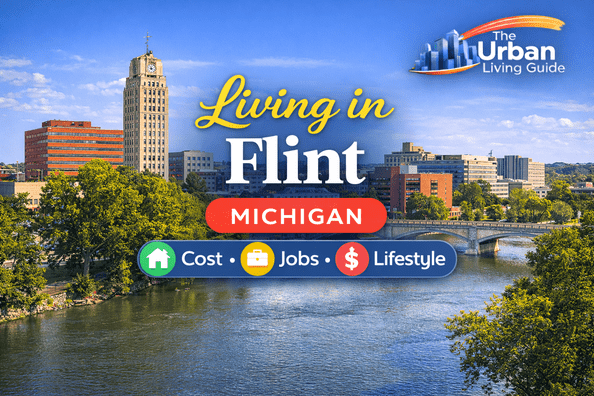
Stretching along the winding banks of the Flint River in Genesee County, living in Flint, Michigan offers an authentic window into America’s industrial past paired with an inspiring story of modern community revitalization. As the largest city in Genesee County with a population of approximately 80,000 residents, Flint serves as a key regional anchor located roughly 65 miles northwest of Detroit.
Long celebrated worldwide as the birthplace of General Motors and a legendary twentieth-century automotive powerhouse, the city today is actively redefining itself through medical innovations, higher education, and vibrant arts initiatives. Whether you are exploring historic architecture in the Carriage Town district or walking the paved paths of the Flint River Trail, living here presents a unique combination of exceptional housing affordability and deep-seated local pride.
Municipal governance, public safety updates, and community development resources are centrally administered through the official City of Flint Government Portal.
If you haven’t explored this area before, the map below will give you a better sense of its location within the central Michigan corridor.
All quantitative metrics, economic data points, and community insights compiled within this living guide are synthesized from verified municipal records, regional economic boards, and long-term resident feedback.
What Makes Flint So Popular & Unique
Over recent years, Flint has captured national attention as an evolving urban center where resilience and affordability create distinct opportunities for new residents. Key factors driving its appeal include:
- Unmatched Housing Affordability: Offering some of the lowest median home purchase prices and rental rates in the United States, making homeownership genuinely attainable. Explore regional growth initiatives via the Flint & Genesee Group Portal.
- Storied Automotive Heritage: Deep historical roots as the birthplace of industrial manufacturing and the cradle of American automotive innovation.
- Thriving Medical & Academic Sectors: Home to prestigious higher education institutions and major medical teaching hospitals driving steady employment.
- Active Community Redevelopment: Grassroots neighborhood revitalization projects, thriving local arts spaces, and growing small-business districts.
Flint at a Glance: Key Living Metrics
| Evaluation Metric | Local Data Overview & Regional Reality |
|---|---|
| Population | Approx. 80,000 within municipal city limits (Core urban density) |
| Median Monthly Rent | Ranges from $900 to $1,400+ depending on apartment vintage and neighborhood pocket |
| Average Annual Salary | Typically spans $45,000 to $90,000 across healthcare, education, and manufacturing |
| Primary Economic Pillars | Healthcare systems, higher education, automotive assembly, logistics, and public services |
| State Income Tax | Flat state income tax structure set at 4.25% across Michigan |
| Average Summer High | Routinely reaches 75°F to 85°F during warm July and August afternoons |
| Primary Transit Mode | Mass Transportation Authority (MTA) bus network, vehicle transit, and regional highways |
Famous Personalities, Local Icons & Major Brands in Flint
Flint holds a permanent place in American cultural history, producing legendary documentary filmmakers, Olympic champions, and pioneering automotive enterprises:
- Michael Moore: The Academy Award-winning documentary filmmaker and social commentator was born and raised in the city, famously focusing his early works on Flint’s industrial transformation.
- Claressa Shields: The two-time Olympic gold medalist, undisputed middleweight boxing champion, and global sports icon proudly hails from Flint, earning the nickname “T-Rex.”
- General Motors (GM): The historic multinational automotive giant founded in Flint, continuing to operate state-of-the-art truck assembly facilities in the city (General Motors Official Portal).
- Kettering University: Renowned private engineering and technology university shaping future innovators from its historic Flint campus (Kettering University Official Portal).
Job Market & Business Opportunities with Major Employers
The employment landscape in Flint provides steady career paths anchored by healthcare networks, higher education institutions, and manufacturing facilities:
- Healthcare and Medical Services: A major regional employment driver supported by comprehensive hospital systems, emergency trauma centers, and specialized clinics.
- Higher Education & Research: Universities and community colleges offering robust academic, administrative, and technical career opportunities.
- Automotive Manufacturing & Logistics: Modern assembly plants and supply chain networks continuing the city’s legacy of vehicle production.
- Small Business & Retail Entrepreneurship: Growing commercial corridors fostering local downtown shops, artisan cafes, and creative startups.
Housing & Real Estate Overview in Flint
Navigating the real estate market in Flint requires understanding its exceptional affordability, historic architecture, and ongoing neighborhood restoration:
- Historic Architectural Stock: Features magnificent Victorian homes in the College Cultural Neighborhood, historic craftsman properties in Carriage Town, and renovated loft apartments downtown. Track property assessments via the City Assessor Department Portal.
- Extreme Affordability Advantage: Home purchase prices and rental rates remain among the most budget-friendly in Michigan, offering unmatched opportunities for first-time buyers and property investors.
- Rental Market Inventory: Average monthly rent spans $600 to $800 for studio units, $700 to $950 for one-bedroom apartments, $900 to $1,300 for two-bedroom properties, and $1,400 to $2,200+ for single-family home rentals.
- Community Restoration: Active land bank initiatives and neighborhood stabilization programs continue to restore vacant properties into vibrant family housing.
Best Neighborhoods in Flint: Finding Your Ideal Community
| Neighborhood Name | Vibe & Lifestyle Character | Housing & Price Profile |
|---|---|---|
| Downtown Flint | Bustling civic core offering renovated loft apartments, cultural venues, local dining, and entertainment. | Modern urban lofts, restored apartments, and competitive rental pricing. |
| College Cultural Neighborhood | Historic district adjacent to cultural centers, museums, and lush parks, known for quiet, beautiful streets. | Historic grand homes, period architecture, and stable valuations. |
| Mott Park | Peaceful residential enclave featuring mature tree-canopied streets, community parks, and river proximity. | Traditional single-family homes, bungalows, and accessible family pricing. |
| Carriage Town Historic District | One of Flint’s oldest neighborhoods showcasing preserved Victorian architecture and active restoration projects. | Historic homes, restored multi-family dwellings, and unique urban character. |
| East Village | Emerging urban district experiencing active small-business growth, renovated housing, and community momentum. | Renovated residential houses, townhomes, and affordable market entry points. |
What It’s Really Like Living in Flint (Daily Life & Vibe)
Watch a recent video by a popular vlogger to understand daily life and vibes in Flint.
Daily life in Flint is characterized by a strong sense of community solidarity, grassroots creativity, and practical Midwestern comfort:
- Active Riverfront & Trail Recreation: Residents spend weekends walking, jogging, or cycling along the scenic Flint River Trail and exploring county parks. Explore park guidelines via the Genesee County Parks System Portal.
- Cultural Exploration: Enjoying world-class visual arts at the local cultural center, catching live performances, or visiting vibrant neighborhood farmers markets.
- Community Engagement: Participating in local festivals, neighborhood clean-ups, and community arts events that celebrate the city’s enduring spirit.
- Social Atmosphere: Resilient, welcoming, close-knit, and deeply proud of local heritage and cooperative community development.
Cost of Living in Flint: Monthly Expenses & Salary Needs
The cost of living in Flint is among the most economical in the Midwest, providing extraordinary financial breathing room for residents:
- Housing Overhead: $900 to $1,400 covering typical apartment and home rentals across popular neighborhoods. Review regional economic data via the Bureau of Labor Statistics Midwest Information Office.
- Utilities & Power: $140 to $220 monthly for electricity, heating, water, and municipal waste management.
- Groceries & Household Goods: $300 to $420 depending on household size and shopping choices between local markets and regional supermarkets.
- Transportation Expenses: $100 to $180 covering public bus passes, fuel, and vehicle upkeep.
- Required Household Income: Single professionals or working households typically require an annual income between $45,000 and $65,000 to comfortably cover local living expenses and long-term savings goals.
Transportation, Commute Dynamics & Transit Realities
Flint provides reliable regional transportation networks that ensure smooth travel across Genesee County:
- MTA Bus System: Comprehensive public transit network operated by the Mass Transportation Authority, offering extensive fixed routes across Flint and surrounding townships (Mass Transportation Authority Portal).
- Highway Connectivity: Excellent freeway access via Interstate 69 and Interstate 475, linking commuters seamlessly to regional economic hubs.
- Air Travel Convenience: Proximity to Bishop International Airport (FNT), offering convenient domestic flight connections.
- Car Dependency: While public bus services exist, personal vehicle ownership remains standard for most daily commuting and errands.
Weather Patterns, Seasonal Realities & Climate Factors
The environmental rhythm of Flint follows a classic Midwestern humid continental climate pattern:
- Warm Summers: Summer daytime high temperatures routinely average 75°F to 85°F, offering comfortable conditions for outdoor park recreation and community festivals.
- Cold Winters: Winter seasons bring freezing temperatures, crisp air, and moderate snowfall, transforming local parks and wooded trails into serene winter wonderlands. Track active forecasts via the National Weather Service Detroit-Flint Portal.
-
Splendid Transition Seasons: Spring and autumn deliver mild weather, highlighted by vibrant foliage changes across historic neighborhood tree canopies.
Education, Schools & Major Universities
Educational institutions serve as essential anchors for intellectual vitality, youth programs, and workforce development:
- University of Michigan–Flint: A prominent regional campus offering comprehensive undergraduate and graduate degree programs in the heart of downtown (University of Michigan–Flint Portal).
- Kettering University: Nationally recognized engineering and technology university driving cooperative education and industrial innovation (Kettering University Official Portal).
- Mott Community College: Providing accessible associate degrees, technical certifications, and continuing education pathways for local residents.
- Flint Community Schools: Operating public education facilities across the city with a focus on student enrichment and community support.
Medical Facilities, Hospitals & Healthcare Systems
Healthcare infrastructure in Flint is robust, highly specialized, and anchored by premier regional medical networks:
- Hurley Medical Center: A premier 400+ bed teaching hospital and level-one trauma center delivering advanced emergency care, pediatric services, and specialized medicine (Hurley Medical Center Portal).
- McLaren Flint: A major regional hospital offering comprehensive cardiac care, oncology services, and surgical suites.
- Specialized Clinical Networks: Numerous outpatient clinics and community health centers providing preventative care and family medicine across all city wards.
Popular Hotels, Cafes, Dining & Culinary Scene
The hospitality and culinary identity of Flint reflects historic brick architecture, local entrepreneurial spirit, and Midwestern comfort:
- Hilton Garden Inn Flint Downtown: Sophisticated downtown hotel offering modern accommodations, on-site dining, and immediate proximity to cultural attractions (Hilton Garden Inn Flint Downtown Portal).
- Holiday Inn Express Flint Campus Area: Convenient accommodations catering to visitors, university families, and corporate travelers.
- Downtown Culinary Destinations: Bustling commercial blocks featuring independent coffee shops, craft breweries, and farm-to-table dining.
Sightseeing, Cultural Spots & Tourist Attractions
Landmark cultural institutions and historic destinations significantly enhance the daily quality of life for local residents:
- Flint Institute of Arts (FIA): Michigan’s second-largest art museum featuring magnificent galleries, glass art collections, and community art studios (Flint Institute of Arts Portal).
- Flint Cultural Center: Sprawling cultural campus housing the Longway Planetarium, Sloan Museum of Discovery, and public performance theaters.
- Crossroads Village & Huckleberry Railroad: Authentic 19th-century historic lakeside village and historic steam train offering family recreation and seasonal events (Crossroads Village Portal).
Regional Trade-offs: Pros and Cons of Living in Flint
Pros of Living in Flint
- Extremely Affordable Housing: Unbeatable home purchase prices and low rental overhead compared to national averages.
- Strong Community Resilience: A tight-knit, collaborative population deeply committed to local revitalization and mutual support.
- Robust Healthcare Infrastructure: Home to top-tier teaching hospitals and advanced medical networks providing stable employment.
- Higher Education Access: Proximity to respected institutions like U-M Flint and Kettering University.
- Cultural and Natural Amenities: World-class museums, art institutes, and scenic river trails.
Cons of Living in Flint
- Economic Recovery Challenges: Certain neighborhoods continue to experience ongoing economic transition and urban redevelopment needs.
- Cold Winter Weather: Freezing temperatures and seasonal snowstorms requiring ongoing winter property maintenance.
- Limited Rapid Transit: Public transportation relies primarily on bus networks, making personal vehicle ownership standard.
- Smaller Job Market: Fewer corporate headquarters and private-sector tech hubs compared to major state capitals.
- Varying Neighborhood Conditions: Safety and municipal conditions vary significantly across specific urban blocks, requiring careful local research.
Who Is Flint Ideal For — And Who Should Avoid It?
Who Flint Is Ideal For
- First-Time Homebuyers: Individuals and young couples looking to escape high rents and achieve homeownership on modest financial budgets.
- Healthcare and Academic Professionals: Workers seeking stable careers within major hospital systems, teaching facilities, and universities.
- Community-Minded Activists: Residents who want to participate directly in grassroots urban revitalization and neighborhood building.
- Budget-Conscious Retirees: Seniors seeking low property overhead, quiet residential pockets, and cultural amenities.
Who Should Avoid Flint
- Risk-Averse Real Estate Buyers: Individuals uncomfortable with investing in transitional urban markets undergoing long-term redevelopment.
- Warm-Weather Seekers: People who despise freezing winter temperatures, snowstorms, and extended seasonal cloud cover.
- Mega-City Nightlife Seekers: Residents looking for massive 24-hour metropolitan downtown environments with non-stop ultra-urban action.
- Car-Free Commuters: Individuals who refuse to own a personal automobile and rely entirely on heavy rail rapid transit systems.
Real Experiences: Perspectives from Long-Term Residents (5 to 10+ Years)
“Buying a historic home in the College Cultural Neighborhood eight years ago was the best financial and personal choice I’ve made. The housing cost is a fraction of what you’d pay in Detroit or Ann Arbor, the neighbors are incredibly supportive, and having the Flint Institute of Arts and local parks right in your backyard is wonderful. Flint has real challenges, but the community spirit here is unmatched.”
[Source: r/flint Community Discussions — synthesized/paraphrased]
“The big reality check for newcomers is understanding that neighborhood conditions can vary block by block, and urban revitalization takes time. However, if you do your research and move into stable areas like Mott Park or downtown, the affordability and genuine sense of community make it a deeply rewarding place to call home. Healthcare and university jobs provide great stability here.”
[Source: Local Resident Panels & Community Forums — synthesized/paraphrased]
Frequently Asked Questions About Living in Flint, Michigan
Is Flint expensive to live in compared to other U.S. cities?
No. Flint maintains one of the most affordable costs of living in Michigan and the United States, with housing prices and rental rates significantly below national averages.
What level of annual salary do individuals need to live comfortably in Flint?
Most single professionals and households find that an annual income between $45,000 and $65,000 provides a comfortable lifestyle covering rent or mortgage payments, utilities, transportation, and discretionary spending.
Can residents successfully live in Flint without owning a personal vehicle?
While MTA bus routes provide local transit coverage, most residents rely on personal automobiles due to the broader geographic layout of Genesee County.
What are the best residential neighborhoods to consider in Flint?
Top neighborhoods include the College Cultural Neighborhood for historic charm, Mott Park for quiet suburban streets, Downtown Flint for urban loft living, and Carriage Town for architectural history.
How does commuting work for professionals working across Flint?
Commuters primarily utilize Interstate 69 and Interstate 475, enjoying short average commute times of around 20 to 24 minutes during standard rush hours.
What are the primary cultural and recreational highlights in Flint?
Residents enjoy world-class art at the Flint Institute of Arts, exhibits at the Flint Cultural Center, steam train rides at Crossroads Village, and outdoor recreation along the Flint River Trail.
🔗 Explore More Cities in Michigan
If you’re considering options beyond Flint, The Urban Living Guide has also explored several other well-known cities across Michigan. You may also want to check:
New to Flint? These resources can help you get started:
- Cost of Living in Flint, Michigan
- Pros and Cons of Living in Flint, Michigan
- Best Neighborhoods in Flint, Michigan
For a complete moving guide, read: Moving to Flint, Michigan
Each of these guides highlights what daily life looks like in different cities, including insights on cost of living, housing trends, job opportunities, local neighborhoods, commute patterns, weather conditions, education options, popular areas, and major employers.
With The Urban Living Guide, all this information is organized in one place so you can easily compare cities and decide which one suits your lifestyle, budget, and future plans.