

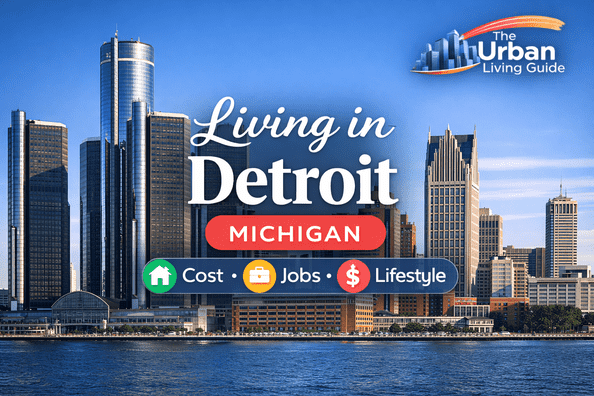
Living in Detroit, Michigan in 2026: The Complete Local Guide to Motor City Revival, Waterfront Living, and Affordable Urban Culture
Living in Detroit, Michigan offers a compelling and distinct mix of industrial heritage, cultural resilience, and accessible urban living situated along the banks of the Detroit River. As the largest city in Michigan with approximately 630,000 residents, Detroit serves as the primary economic and cultural engine of the region while maintaining a rare international border connection directly across from Windsor, Canada. Blending its storied legacy as the historic capital of the American automotive industry with an energetic modern revival, the city continues to attract artists, entrepreneurs, and families drawn to its creative spirit and economic opportunity.
For official municipal updates, neighborhood programs, and city governance information, residents utilize the City of Detroit Portal. Regional development initiatives and state-level resources are coordinated through the State of Michigan Official Portal.
If you’re not familiar with the area, take a look at the map below to understand where the city is located.
All quantitative metrics, economic data points, and community insights compiled within this living guide are synthesized from verified municipal records, regional economic boards, and long-term resident feedback.
What Makes Detroit So Popular & Unique
Over the past decade, Detroit has captured national attention for its dynamic urban transformation. Several signature factors distinguish the city from other major metropolitan areas:
- Unmatched Industrial Legacy: Historically celebrated as “Motor City”, the municipality was shaped by global automotive pioneers like Ford, General Motors, and Stellantis. Explore regional heritage and tourism initiatives via the Visit Detroit Tourism Bureau.
- Global Musical Birthplace: Renowned worldwide as the birthplace of Motown music, which permanently revolutionized American pop culture, soul, and R&B.
- Exceptional Housing Affordability: Offering significantly lower real estate purchase prices and rental overhead compared to coastal metropolitan hubs and major Midwestern neighbors.
- Vibrant Waterfront and Green Spaces: Extensive revitalization along the Detroit Riverwalk and historic urban parks that connect residents to outdoor recreation.
Detroit at a Glance: Key Living Metrics
| Evaluation Metric | Local Data Overview & Regional Reality |
|---|---|
| Population | Approx. 630,000 within municipal city limits (Major Midwestern urban center) |
| Median Monthly Rent | Ranges from $1,000 to $1,800+ depending on neighborhood and apartment vintage |
| Average Annual Salary | Typically spans $55,000 to $110,000 across corporate, healthcare, and engineering sectors |
| Primary Economic Pillars | Automotive manufacturing, mobility technology, healthcare, finance, and logistics |
| State Income Tax | Flat state income tax structure set at 4.25% across Michigan |
| Average Summer High | Routinely reaches 75°F to 85°F during warm, humid July and August afternoons |
| Primary Transit Mode | Car-dependent urban layout supported by DDOT buses, SMART regional transit, and downtown loops |
Famous Personalities, Local Icons & Major Brands in Detroit
Detroit has an extraordinary history of cultivating legendary musicians, world-class athletes, and global corporate giants that influence international culture:
- Eminem: The Grammy-winning rap icon and global superstar was raised in the local area, frequently celebrating his gritty Detroit roots in his award-winning music. Explore his artistic journey via the Official Eminem Portal.
- Diana Ross & Stevie Wonder: Legendary Motown music icons discovered and nurtured in the city, launching musical careers that reshaped global entertainment. Explore Motown history via the Official Diana Ross Portal.
- Ford Motor Company: A monumental American automotive institution maintaining deep historical and ongoing corporate operations in the region (Ford Motor Company Corporate Portal).
- General Motors: Anchoring the downtown waterfront skyline with its massive global headquarters complex.
- Professional Sports Franchises: Home to passionate fanbases supporting the Detroit Lions (NFL), Detroit Pistons (NBA), Detroit Tigers (MLB), and Detroit Red Wings (NHL).
Job Market & Business Opportunities with Major Employers
The employment landscape in Detroit provides diverse career pathways across traditional manufacturing, cutting-edge mobility technology, and healthcare:
- Automotive and Mobility Innovation: A massive employment cluster transitioning from traditional vehicle manufacturing to electric vehicle engineering and autonomous driving technology.
- Healthcare Systems: Major medical networks operating advanced hospitals and research facilities that employ thousands of clinical and administrative professionals.
- Finance and Technology: Growing financial institutions and tech startups establishing operations in downtown innovation districts.
- Logistics and International Trade: Essential supply chain and shipping operations benefiting from the city’s strategic international border location.
Housing & Real Estate Overview in Detroit
Navigating the real estate market in Detroit requires understanding its diverse architecture, ongoing neighborhood revitalization, and affordability advantages:
- Diverse Architectural Stock: Features historic Victorian homes, renovated historic mansions in Brush Park, and industrial loft apartments in Midtown and Corktown. Track municipal property guidelines via the City Housing & Revitalization Department.
- Affordability Advantage: Home prices and rental rates remain substantially below national averages, offering exceptional value for first-time buyers and property investors.
- Rental Market Inventory: Average monthly rent spans $850 to $1,100 for studio units, $1,000 to $1,400 for one-bedroom apartments, $1,400 to $1,900 for two-bedroom properties, and $2,000 to $3,000+ for single-family rental homes.
- Investment Potential: Revitalization efforts across multiple wards continue to drive urban renewal and property appreciation.
Best Neighborhoods in Detroit: Finding Your Ideal Community
| Neighborhood Name | Vibe & Lifestyle Character | Housing & Price Profile |
|---|---|---|
| Downtown Detroit | Bustling commercial core featuring modern high-rises, dining venues, entertainment, and riverfront access. | Modern high-rise apartments, luxury condos, and urban pricing. |
| Midtown | Vibrant cultural hub popular with students and professionals, anchored by museums and walkable streets. | Converted industrial lofts, multi-family apartments, and competitive rents. |
| Corktown | Detroit’s oldest neighborhood known for historic Victorian homes, craft cocktail bars, and trendy dining. | Historic row houses, renovated townhomes, and rising valuations. |
| Woodbridge | Quiet residential enclave featuring historic nineteenth-century homes and a tight-knit arts community. | Historic single-family homes, duplexes, and stable family pricing. |
| Brush Park | Fast-growing urban district blending restored historic mansions with striking new residential construction. | Restored Victorian properties, modern townhouses, and upscale pricing. |
What It’s Really Like Living in Detroit (Daily Life & Vibe)
Watch a recent video by a popular vlogger to understand daily life and vibes in Detroit.
Daily life in Detroit is characterized by a resilient community spirit, creative energy, and a welcoming Midwestern atmosphere:
- Active Waterfront Living: Residents spend weekends walking, jogging, or biking along the award-winning Detroit Riverwalk and exploring nearby parks. Explore public park programming via the Detroit Riverfront Conservancy Portal.
- Cultural Immersion: Exploring world-class art galleries, attending live music performances in Midtown, or visiting vibrant neighborhood farmers markets.
- Recreational Escapes: Relaxing at Belle Isle Park, a massive island park featuring a historic conservatory, aquarium, and scenic picnic grounds.
- Social Atmosphere: Creative, ambitious, unpretentious, and deeply proud of the city’s ongoing cultural renaissance.
Cost of Living in Detroit: Monthly Expenses & Salary Needs
The cost of living in Detroit sits significantly below the national average, making it one of the most financially accessible major cities in the United States:
- Housing Overhead: $1,000 to $1,800 covering typical apartment rentals across popular urban neighborhoods. Review regional economic trends via the Bureau of Labor Statistics Midwest Information Office.
- Utilities & Power: $150 to $250 monthly for electricity, heating, water, and waste management services.
- Groceries & Household Goods: $350 to $500 depending on family size and shopping choices between local markets and major supermarkets.
- Transportation Costs: $120 to $250 covering public transit passes, fuel, and vehicle maintenance.
- Required Household Income: Single professionals typically require an annual income between $55,000 and $75,000 to comfortably cover local living expenses and savings.
Transportation, Commute Dynamics & Transit Realities
Detroit functions primarily as a car-dependent metropolitan area, though public transit options serve core urban corridors:
- Highway Network: Extensive interstate connectivity via Interstate 94, Interstate 75, and Interstate 96, linking commuters across suburban and urban sectors.
- Public Transit Services: Local transit options include DDOT buses operating city routes and SMART regional transit connecting outlying suburbs (Detroit Department of Transportation Portal).
- Downtown Circulator: The Detroit People Mover providing an elevated rail loop connecting key downtown commercial and entertainment destinations.
- Global Aviation Gateway: Immediate proximity to Detroit Metropolitan Wayne County Airport (DTW) located about 20 miles southwest of downtown.
Weather Patterns, Seasonal Realities & Climate Factors
The environmental rhythm of Detroit follows a classic Midwestern humid continental climate:
- Warm Summers: Summer daytime high temperatures routinely average 75°F to 85°F, offering ideal weather for outdoor riverfront activities and festivals.
- Cold Winters: Winter seasons bring freezing temperatures, icy winds, and moderate snowfall, transforming local parks into crisp winter landscapes. Track active forecasts via the National Weather Service Detroit Portal.
-
Splendid Transition Seasons: Spring and autumn deliver mild temperatures and striking foliage changes across neighborhood tree-lined streets.
Education, Schools & Major Universities
Educational institutions serve as essential anchors for community development, academic research, and workforce training:
- Wayne State University: A premier urban research university located in Midtown, offering comprehensive undergraduate and graduate degree programs (Wayne State University Official Portal).
- University of Detroit Mercy: A respected private Catholic university offering rigorous academic programs and professional training.
- College for Creative Studies: A nationally renowned art and design college producing top-tier creative talent for the automotive and design industries.
- Public School District: Operating numerous neighborhood schools and specialized educational facilities across the city.
Medical Facilities, Hospitals & Healthcare Systems
Healthcare infrastructure in Detroit is advanced, accessible, and anchored by world-class medical networks:
- Henry Ford Health System: A major regional healthcare provider operating flagship hospitals, specialized research centers, and outpatient clinics throughout the area (Henry Ford Health Official Portal).
- Detroit Medical Center (DMC): Operating premier medical facilities including children’s hospitals and specialized surgical centers.
- Specialized Care Access: Extensive network of community clinics and emergency care centers serving every city ward.
Popular Hotels, Cafes, Dining & Culinary Scene
The hospitality and culinary identity of Detroit reflects industrial chic design, entrepreneurial spirit, and multicultural heritage:
- Boutique Hospitality: Sophisticated lodging destinations including the **Detroit Foundation Hotel**, **The Westin Book Cadillac Detroit**, and **MGM Grand Detroit** (Detroit Foundation Hotel Portal).
- Culinary Hotspots: Bustling dining districts in Midtown, Corktown, and Greektown offering award-winning farm-to-table restaurants, craft cocktail bars, and international cuisine.
- Independent Cafes: Local coffee roasters providing welcoming neighborhood gathering spaces for residents and remote workers.
Sightseeing, Cultural Spots & Tourist Attractions
Cultural institutions and landmark destinations significantly enhance the daily quality of life for local residents:
- Detroit Institute of Arts (DIA): World-class art museum housing an expansive collection of global masterpieces, including famous Rivera mural installations (Detroit Institute of Arts Portal).
- Motown Museum: Historic recording studio where legendary musical artists recorded timeless hits that defined American culture.
- Comerica Park: Premier downtown sports stadium offering professional baseball entertainment and family recreation (Detroit Tigers Ballclub Portal).
Regional Trade-offs: Pros and Cons of Living in Detroit
Pros of Living in Detroit
- Affordable Housing: Exceptionally low home purchase prices and rental rates compared to other major U.S. metropolitan areas.
- Rich Cultural History: A legendary music heritage, world-class art museums, and thriving creative community.
- Professional Sports & Entertainment: Four major sports franchises and vibrant entertainment districts downtown.
- Urban Revitalization: Exciting economic growth, new tech startups, and renovated neighborhood commercial strips.
- Scenic Riverfront Access: Beautiful parks, walking trails, and recreational spaces along the Detroit River.
Cons of Living in Detroit
- Cold Winter Weather: Freezing temperatures and seasonal snowfall requiring ongoing winter property maintenance.
- Car Dependency: Limited comprehensive rapid rail transit, making personal vehicle ownership necessary for most daily commutes.
- Economic Disparities: Variable neighborhood conditions and economic disparities across different municipal sectors.
- Uneven Infrastructure: Portions of the city feature older infrastructure undergoing gradual municipal repair.
- Limited Late-Night Transit: Public transportation options taper off during late-night hours across outer residential wards.
Who Is Detroit Ideal For — And Who Should Avoid It?
Who Detroit Is Ideal For
- Budget-Conscious Urbanites: Individuals and young professionals seeking affordable housing, loft living, and low overhead in a major city.
- Creatives and Artists: Writers, musicians, and designers drawn to Detroit’s thriving arts community and collaborative culture.
-
Entrepreneurs and Innovators: Business-minded professionals looking for affordable commercial space and growing startup ecosystems.
- Sports and Music Enthusiasts: Residents who value live music venues, cultural festivals, and professional sports entertainment.
Who Should Avoid Detroit
- Transit-Only Commuters: Individuals who refuse to own a car and rely entirely on extensive subway or rapid rail networks.
- Warm-Weather Seekers: People who despise freezing winter temperatures, snowstorms, and seasonal temperature drops.
- Suburban Conformity Seekers: Homebuyers looking for uniform cookie-cutter subdivisions with homogeneous neighborhood layouts.
- Risk-Averse Real Estate Buyers: Individuals uncomfortable with investing in transitional urban neighborhoods undergoing long-term revitalization.
Real Experiences: Perspectives from Long-Term Residents (5 to 10+ Years)
“Moving into a loft in Midtown seven years ago was the best decision I ever made. The creative energy in Detroit is palpable—you can feel a city actively reinventing itself every single day. Housing costs are reasonable compared to Chicago or New York, the food scene is incredible, and walking along the Riverwalk during summer evenings never gets old. It has its urban challenges, but the community pride here is unmatched.”
[Source: r/detroit Community Discussions — synthesized/paraphrased]
“The big reality check for newcomers is realizing that owning a car is practically mandatory if you want to explore beyond downtown and Midtown. Winters demand patience with snow and driving, and neighborhood conditions can change block by block. However, the warmth of the locals, the rich musical history, and the sheer opportunity to build something meaningful make living here deeply rewarding.”
[Source: Local Resident Panels & Community Forums — synthesized/paraphrased]
Frequently Asked Questions About Living in Detroit, Michigan
Is Detroit expensive to live in compared to other U.S. cities?
No. Detroit maintains a remarkably affordable cost of living, offering significantly lower housing costs, rent, and everyday expenses than most major metropolitan areas in the United States.
What level of annual salary do individuals need to live comfortably in Detroit?
Most single professionals find that an annual income between $55,000 and $75,000 provides a comfortable lifestyle covering rent, utilities, transportation, and discretionary spending without financial strain.
Can residents successfully live in Detroit without owning a personal vehicle?
While possible if you live and work strictly within downtown or Midtown, most residents prefer owning a personal vehicle due to the car-dependent nature of the wider metropolitan layout.
What are the best residential neighborhoods in Detroit?
Top neighborhoods include Downtown for modern high-rise living, Midtown for cultural institutions, Corktown for historic charm, Woodbridge for quiet streets, and Brush Park for rapid upscale development.
How does commuting work for professionals working in and around Detroit?
Commuters primarily utilize major interstate highways like I-94 and I-75 for travel, supplemented by regional bus networks operated by DDOT and SMART.
What are the primary outdoor recreational highlights in Detroit?
Residents enjoy scenic walks along the Detroit Riverwalk, recreational sports and nature trails at Belle Isle Park, and cultural events throughout downtown plazas.
🔗 Explore More Cities in Michigan
If you’re considering options beyond Detroit, The Urban Living Guide has also explored several other well-known cities across Michigan. You may also want to check:
- Living in Grand Rapids, Michigan
- Living in Ann Arbor, Michigan
- Living in Lansing, Michigan
- Living in Flint, Michigan
Exploring life in Detroit? Start with these helpful resources:
- Cost of Living in Detroit, Michigan
- Pros and Cons of Living in Detroit, Michigan
- Best Neighborhoods in Detroit, Michigan
Need the full picture? Visit our guide: Moving to Detroit, Michigan
Each of these guides highlights what daily life looks like in different cities, including insights on cost of living, housing trends, job opportunities, local neighborhoods, commute patterns, weather conditions, education options, popular areas, and major employers.
With The Urban Living Guide, all this information is organized in one place so you can easily compare cities and decide which one suits your lifestyle, budget, and future plans.