

Pros and Cons of Living in Tucson, Arizona: What Life Is Really Like in the Sonoran Desert
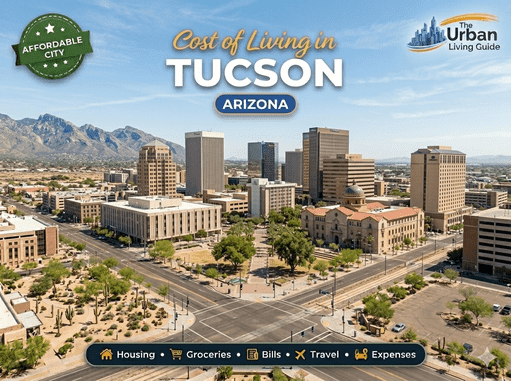
Thinking about moving to a city that offers desert beauty, affordability, and a relaxed lifestyle? The Pros and Cons of Living in Tucson, Arizona make it an appealing option for those who want a slower pace of life without the high costs of larger cities like Phoenix. Tucson is known for its scenic mountains, strong cultural identity, and laid-back environment.
At the same time, it’s not as fast-growing or opportunity-rich as bigger metro areas. That’s why understanding the Pros and Cons of Living in Tucson, Arizona becomes important before making a decision, especially if you are planning a long-term move or looking for a balance between cost and comfort.
Unlike major cities, Tucson offers a more grounded and peaceful lifestyle, but it also comes with certain trade-offs in terms of jobs, infrastructure, and climate challenges.
👉 This video gives a realistic look at both the advantages and challenges of living in Tucson.
Pros of Living in Tucson
- Lower Cost of Living Compared to Major Cities
Tucson is significantly more affordable than cities like Phoenix or Los Angeles. Many residents appreciate that housing, rent, and daily expenses are relatively manageable, making it easier to live comfortably even on a moderate income. - Scenic Desert Landscape and Natural Beauty
Surrounded by mountains and desert views, Tucson offers stunning natural scenery. One thing people often mention is how peaceful and visually unique the environment feels, especially during sunrise and sunset. - Relaxed and Slower Pace of Life
Tucson has a laid-back vibe that appeals to people who want to avoid the hustle of big cities. Daily life is less stressful, and the overall atmosphere feels more community-oriented. - Strong Cultural and Food Scene
Tucson is known for its rich Mexican and Southwestern culture. It’s even recognized as a UNESCO City of Gastronomy, which means food lovers will find plenty to enjoy. - University Influence and Education Opportunities
The presence of the University of Arizona brings educational opportunities, cultural events, and a younger energy to the city. - 6. Mild Winters and Outdoor Living
While summers are hot, winters are mild and pleasant. This allows for outdoor activities like hiking, cycling, and exploring nature during most of the year.
Cons of Living in Tucson
- Extreme Heat in Summers
Some newcomers find it challenging that summers can be very hot, with temperatures often crossing 100°F. Outdoor activities become limited during peak heat months. - Limited Job Market Compared to Phoenix
Tucson does not have as strong or diverse a job market as larger cities. Opportunities are more concentrated in education, healthcare, and local businesses. - Lower Salary Levels
While the cost of living is lower, salaries are also generally lower. This can affect long-term financial growth, especially for professionals in specialized fields. - Public Transportation Limitations
Public transit options are limited, so owning a car is almost necessary for convenience and mobility. - Slower Growth and Development
Some people find it challenging that Tucson grows at a slower pace, which may impact infrastructure development and job expansion. - Water Scarcity Concerns
Being a desert city, long-term water availability is a concern that may affect future sustainability.
Who Should Consider Living in Tucson
Tucson may be a good fit if you:
-
- Want a more affordable alternative to Phoenix, Denver, or Southern California
- Work remotely and value a relaxed lifestyle
- Enjoy hiking, cycling, golf, and outdoor recreation
- Are attending or working at the University of Arizona
- Prefer a slower pace of life with less traffic
Tucson may not be ideal if you:
-
- Need access to a large corporate job market
- Prefer a fast-paced, big-city environment
- Dislike extreme summer heat
- Want extensive public transportation options
- Are seeking the salary levels commonly found in larger tech hubs
Final Verdict – Is Tucson Right for You?
The pros and cons of living in Tucson, Arizona come down to lifestyle preferences. If you value year-round sunshine, access to the Sonoran Desert, a lower cost of living than many Western cities, and a slower pace of life, Tucson can be an excellent place to call home.
With opportunities at the University of Arizona, Raytheon, and the region’s growing healthcare and aerospace sectors, Tucson offers more than just beautiful mountain views. However, those seeking a major corporate job market, extensive public transit, or a fast-paced urban environment may find larger cities a better fit.
For many retirees, students, remote workers, and outdoor enthusiasts, Tucson delivers a unique combination of affordability, desert scenery, and Southwestern culture that is increasingly hard to find elsewhere.
FAQs
Is Tucson a good place to live?
Yes, Tucson is a good place to live for those who value affordability, natural beauty, and a slower pace of life. It is especially popular among retirees and students.
Is Tucson expensive to live in?
No, Tucson is relatively affordable compared to many U.S. cities. Housing and daily expenses are lower, making it suitable for budget-conscious individuals.
Is it safe to live in Tucson?
Safety varies by neighborhood. While many areas are safe, it’s important to research locations before moving to ensure a comfortable living experience.
What are the main disadvantages of living in Tucson?
The main disadvantages include extreme summer heat, limited job opportunities, lower salaries, and dependence on a car for daily travel.
Is Tucson good for families?
Tucson can be a good option for families due to its affordability and quieter lifestyle, but job opportunities and school quality should be considered.
Is $60,000 enough to live comfortably in Tucson?
Yes, a $60,000 salary can provide a comfortable lifestyle in Tucson, depending on housing choices and personal expenses.
Does Tucson have good job opportunities?
Tucson has opportunities in healthcare, education, and local businesses, but it may not match the diversity and scale of larger cities.
Explore more details
Explore more details about cost, lifestyle, and neighborhoods
🔗 Check detailed guide by The Urban Living Guide on –
- Living in Tucson, Arizona
- Cost of Living in Tucson, Arizona
- Best Neighborhoods in Tucson, Arizona
- Moving to Tucson, Arizona