

From Coffee Culture to Tech Hub Innovations: What Living in Seattle, Washington Really Feels Like in 2026
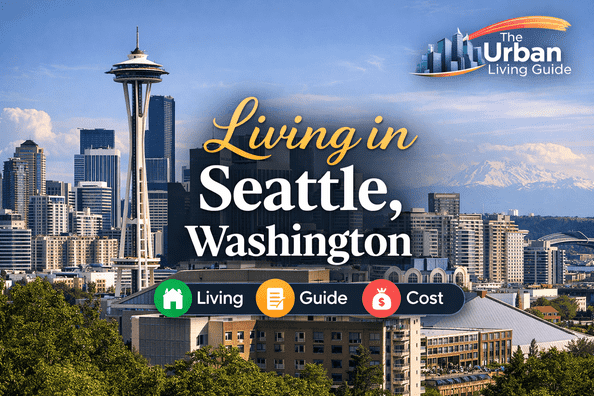
Nestled magnificently between the sparkling waters of Puget Sound and the rugged snowcapped peaks of the Cascade Mountains, Living in Seattle, Washington offers one of the most visually stunning and economically vibrant urban environments in the United States. Widely celebrated as The Emerald City due to the lush evergreen forests that frame its dynamic skyline, Seattle supports a core population of roughly 750,000 residents, while the greater metropolitan area accommodates over 4 million people. Over the past two decades, this Pacific Northwest powerhouse has evolved into an elite global center for software engineering, cloud computing, and digital innovation.
Relocating to Seattle means immersing yourself in a progressive, high-achieving ecosystem driven by tech titans like Amazon and Microsoft, alongside an unmatched coffee and indie music culture that birthed the 1990s grunge movement. However, thriving here requires navigating a highly competitive real estate market, managing high living expenses, and adapting to overcast winter weather patterns. Whether you are aiming for a six-figure software career or a creative life in neighborhoods like Capitol Hill or Ballard, Seattle presents an inspiring blend of urban ambition and breathtaking natural wilderness.
What Makes Seattle So Popular & Unique
Seattle captures global fascination because it effortlessly pairs the high-powered economic engine of a world-class technology center with immediate, immersive access to Pacific Northwest wilderness. From legendary local institutions like Pike Place Market and the futuristic silhouette of the Space Needle to the surrounding shores of Lake Washington, the city is packed with iconic landmarks. For newcomers seeking official municipal resources, transit maps, or neighborhood utility services, the official City of Seattle portal acts as an indispensable digital gateway.
- Global Technology Epicenter: Home to massive corporate headquarters, cloud computing giants, and a thriving startup ecosystem.
- Legendary Coffee & Music Heritage: Celebrated globally as the birthplace of modern American coffee culture and the historic 1990s grunge music movement.
- Unrivaled Outdoor Recreation: Immediate access to world-class hiking, skiing, kayaking, and sailing within minutes of the downtown core.
- Progressive Urban Culture: A diverse, creative community heavily invested in sustainability, arts, theater, and independent enterprise.
Seattle at a Glance: Key Relocation Metrics
Reviewing these baseline statistics helps establish realistic expectations for your transition to King County. These figures reflect current Pacific Northwest market conditions and regional economic benchmarks.
| Metric | Seattle City Data | Metropolitan Context |
|---|---|---|
| City Population | ~750,000 Residents | Exceeds 4 Million across the greater metro area |
| Average 1BR Rent | $2,000 – $2,600 | Varies sharply between urban core and Eastside suburbs |
| Median Home Price | $850,000+ | Multi-million dollar valuations common in prime lakeside areas |
| Average Commute | 25 – 35 Minutes | Heavily dependent on I-5 and bridge traffic flow |
| Top Industries | Technology, Aerospace, Cloud Computing | Biotechnology, global commerce, and healthcare |
If you’re not familiar with this part of the state, the map below will help you understand the city’s exact location.
Famous Personalities, Musicians & Major Brands in Seattle
Seattle’s cultural and technological footprint has reshaped global commerce and modern music history. The city acts as a breeding ground for visionary entrepreneurs and revolutionary musicians who captured the world’s attention.
- Visionary Leaders & Icons: The city is universally associated with tech pioneers such as Bill Gates (co-founder of Microsoft) and Jeff Bezos (founder of Amazon), alongside legendary rock guitarist Jimi Hendrix, Grammy-winning musician Macklemore, and late Soundgarden frontman Chris Cornell.
- Professional Sports: Sports run deep through the Pacific Northwest identity, supported by intensely passionate fanbases cheering for the Seattle Seahawks (NFL), Seattle Mariners (MLB), and Seattle Sounders FC (MLS).
- Global Headquarters: The local economy acts as the command center for world-dominating enterprises like Amazon, Starbucks, Expedia Group, Nordstrom, and Zillow.
Job Market & Business Opportunities with Major Employers
Seattle features one of the most powerful, high-paying job markets in North America, driven heavily by the technology, aerospace, and cloud computing sectors. Whether you are writing software for enterprise cloud platforms, managing biotech research, or joining a fast-growing startup, the scale of professional opportunity is immense. Salaries for skilled technical and engineering roles frequently command between $70,000 and $140,000+ per year, often supplemented by substantial equity packages.
Major corporate employers anchoring the regional economy include Amazon, Microsoft (located nearby in Redmond), Starbucks, Costco, and T-Mobile. Official economic reference data from the Washington State Employment Security Department highlights that while compensation packages in tech often exceed national averages, competition for premier positions remains exceptionally intense.
- Entry-level roles: Typically range between $60,000 – $75,000 across administrative, retail, and junior tech support positions.
- Mid-career professionals: Generally command $85,000 – $130,000 with specialized experience in engineering, healthcare, or finance.
- Senior tech and executive roles: Frequently scale to $150,000+, providing strong high-income purchasing power.
Housing & Real Estate Overview in Seattle
Housing is universally the single largest monthly expense for anyone living in the Emerald City. In 2026, median home prices across Seattle routinely exceed $850,000, while modern single-family homes and luxury condominiums in prime neighborhoods scale past the million-dollar mark. Finding housing requires navigating competitive rental markets and rising property values.
The rental market commands significant figures, leading many residents to explore apartments or townhomes across various city districts. Current average monthly rent projections are:
- Studio Apartment: $1,700 – $2,100
- 1 Bedroom Apartment: $2,000 – $2,600
- 2 Bedroom Apartment: $2,700 – $3,500
- Family Home Rentals: $3,800 – $5,500+
Securing long-term housing requires careful budgeting and financial preparation, making roommate living or commuting from surrounding Eastside suburbs a practical reality for many newcomers.
Best Neighborhoods in Seattle: Finding Your Ideal Community
Choosing the right neighborhood in Seattle defines your daily commute, social life, and overall lifestyle. Each district offers an entirely distinct character. Neighborhood insights are based on local housing trends, safety reports, and resident surveys. The table below outlines the most prominent residential zones.
| Neighborhood / Category | Location, Pricing & Community Overview |
|---|---|
| Capitol Hill (Energetic & Cultural) | One of the most energetic and culturally rich neighborhoods in Seattle. Known for vibrant nightlife, artisan cafes, music venues, and art spaces that attract young professionals and creatives. |
| Ballard (Historic & Waterfront) | Offers a seamless mix of historic maritime charm and modern development. Features local craft breweries, waterfront parks, and a relaxed community vibe appealing to families and professionals. |
| Queen Anne (Scenic & Historic) | Sits prominently on a hill overlooking downtown Seattle, offering some of the most stunning city and mountain views. Known for historic homes and quiet, tree-lined residential streets. |
| Fremont (Artistic & Quirky) | Often called Seattle’s most artistic neighborhood. The area features public art installations, tech startups, boutique shops, and popular weekend street markets. |
| Bellevue (Suburban Tech Hub) | Located across Lake Washington, Bellevue has transformed into a major business center and residential hub for tech professionals seeking upscale suburban planning. |
What It’s Really Like Living in Seattle, Washington (Daily Life & Vibe)
Daily life while living in Seattle combines sophisticated urban energy with deep Pacific Northwest outdoor adventure. Mornings typically begin at an independent local coffee shop before heading into downtown offices or sprawling corporate campuses. After work, residents frequently unwind by strolling along waterfront parks, cycling regional paths, or taking the city’s iconic ferry system across Puget Sound to explore coastal towns.
Weekends are almost universally dedicated to nature—whether that means hiking alpine trails in nearby national parks, skiing down Cascade mountain slopes, or browsing bustling neighborhood farmers markets. Despite functioning as a major metropolitan economic center, Seattle maintains a relaxed, nature-first lifestyle that prioritizes environmental beauty and creative community well-being.
Step into the rhythm of the Pacific Northwest and explore everyday sights through the lens of local creators:
Cost of Living in Seattle: Monthly Expenses & Salary Needs
Seattle ranks as one of the more expensive metropolitan areas in the United States, driven primarily by high real estate demand and rapid economic expansion. Cost estimates are derived from official statistics and city-level cost databases. To maintain a secure, comfortable standard of living, cover housing expenses, and enjoy local amenities, an individual professional should target a salary of $85,000+, while households generally require $140,000+.
- Average Rent: $2,000 – $3,500 depending on apartment size and neighborhood desirability.
- Monthly Utilities: $150 – $250 (Covering electricity, heating, water, and internet).
- Groceries & Household Goods: $400 – $700 per month based on individual shopping choices.
- Transportation: $120 – $300 covering transit passes, light rail, and occasional rideshares.
- Healthcare Costs: Aligned with national averages, supported by robust employer-sponsored tech benefit plans.
Transportation, Commute Dynamics & Transit Realities
Getting around Seattle and the broader Puget Sound region involves a diverse network of multi-modal transportation options:
- Public Transit Infrastructure: An extensive network connecting buses, Link light rail lines, modern streetcars, and commuter trains across urban corridors.
- The Washington State Ferry System: Operating one of the largest passenger and vehicle ferry networks in the United States, linking Seattle to Bainbridge Island and Bremerton.
- Airport Connectivity: Seattle–Tacoma International Airport (SEA) provides convenient domestic and international flight access.
- Commuter Realities: Average commute times range between 25 and 35 minutes, though peak traffic congestion along Interstate 5 and bridge crossings can cause frustrating delays.
- Car-Free Feasibility: Many residents living in urban neighborhoods commute via transit, cycling, or walking without owning a personal vehicle.
Weather Patterns, Seasonal Realities & Climate Factors
Seattle experiences a temperate oceanic climate characterized by distinct seasonal patterns and micro-climates:
- Spring: Mild temperatures and blossoming cherry blossoms, making local parks exceptionally beautiful after the winter rains.
- Summer: Spectacular, dry, and comfortable, with temperatures routinely hovering between 65°F and 80°F, offering near-endless daylight.
- Autumn: Crisp, cool weather accompanied by brilliant yellow and red fall foliage across evergreen forests.
- Winter: Overcast and rainy, though precipitation typically takes the form of a light, persistent mist rather than heavy downpours, with snow remaining rare in the immediate city center.
- Climate Reference: Official meteorological tracking and climate data are provided by the National Weather Service Western Washington region.
Education, Schools & Major Universities
Higher education and academic research serve as powerful intellectual pillars for the Pacific Northwest. Seattle hosts world-class institutions such as the University of Washington, Seattle University, and Seattle Pacific University. For families navigating K-12 education, the city offers a mix of neighborhood public schools and specialized option schools, with suburban districts like Bellevue renowned for exceptional public academic performance.
Medical Facilities, Hospitals & Healthcare Systems
Access to advanced, cutting-edge healthcare is one of Seattle’s strongest community assets. The metropolis is home to internationally recognized medical centers and research hospitals, including UW Medicine, Swedish Health Services, Seattle Children’s Hospital, and the Fred Hutchinson Cancer Center. These premier healthcare networks anchor an extensive neighborhood clinic system providing exceptional medical care across every specialty.
Popular Hotels, Cafes, Dining & Culinary Scene
Seattle’s hospitality and culinary landscape is legendary, blending Pacific Northwest seafood traditions with modern global cuisine and unmatched coffee culture.
- Popular Hotels: Out-of-town guests and luxury travelers frequently book rooms at standout local properties like the Four Seasons Hotel Seattle, The Edgewater Hotel, or the historic Fairmont Olympic Hotel.
- Cafes & Social Hubs: As the recognized birthplace of modern coffee culture, independent artisan roasters and historic cafes thrive throughout Capitol Hill, Ballard, and downtown blocks.
- Restaurants: From fresh Pacific salmon and Dungeness crab at Pike Place Market to world-class Asian fusion and farm-to-table bistros, Seattle’s food scene is vibrant and diverse.
Sightseeing, Cultural Spots & Tourist Attractions
Residents live surrounded by remarkable cultural museums, architectural marvels, and breathtaking natural vistas.
- Space Needle: The iconic 605-foot tower offering 360-degree panoramic views of the city skyline, Puget Sound, and surrounding mountains.
- Pike Place Market: One of the oldest continuously operated public farmers markets in the U.S., famous for flying fishmongers and fresh flowers.
- Museum of Pop Culture (MoPOP): Celebrating contemporary music, sci-fi, and pop culture inside a striking Frank Gehry-designed building.
- Chihuly Garden and Glass: Showcasing breathtaking, large-scale blown glass artwork by master artist Dale Chihuly.
Realities: Pros and Cons of Living in Seattle
Every major metropolis requires compromise. Here is the unvarnished reality for anyone planning a move to the Emerald City in 2026:
Pros:
- A powerful, high-paying job market anchored by global technology leaders.
- World-class access to outdoor recreation, national parks, and mountain wilderness.
- A vibrant, creative cultural scene with legendary music and coffee roots.
- Progressive, diverse community standards and strong civic engagement.
- No state personal income tax, providing favorable earnings retention.
Cons:
- Extremely high housing costs and competitive real estate purchase prices.
- Frustrating traffic congestion along major highway corridors during peak hours.
- Overcast, grey winter weather patterns that can test seasonal moods.
- A competitive job market across non-tech and creative industries.
- A rising overall cost of living affecting everyday goods and services.
Who Is Seattle Ideal For (and Who Should Avoid It?)
Ideal For: Software engineers, cloud computing specialists, tech entrepreneurs, outdoor enthusiasts, coffee aficionados, and professionals seeking a progressive urban lifestyle surrounded by nature.
Who Should Avoid It: Individuals who require bright, sunny winters, budget-conscious buyers seeking low housing costs, drivers who despise traffic gridlock, and those preferring quiet rural isolation.
RealExperiences: Perspectives from Long-Term Residents (5 to 10+ Years)
Data gives you the metrics, but daily life gives you the truth. Here is what veteran locals have to say about navigating Seattle:
“The tech boom changed the city overnight, and housing prices are no joke—you definitely pay a Sunshine Tax in reverse with the grey winter months. But on a clear July afternoon when Mount Rainier pops out against the skyline while you’re drinking locally roasted coffee? There is genuinely no place on earth like it.”
[Source: r/seattle Community Discussions]
“Traffic on I-5 during rush hour will test your soul, but the outdoor access makes up for everything. I can finish work on a Friday, drive forty minutes into the Cascades, and be pitching a tent in an alpine meadow before dark. If you love nature, the tradeoffs are 100% worth it.”
[Source: Local Neighborhood Survey Threads]
Frequently Asked Questions About Living in Seattle, Washington
Is Seattle, Washington expensive to live in?
Yes, Seattle is considered one of the more expensive cities in the United States, driven primarily by high real estate demand, tech industry growth, and elevated everyday expenses.
What salary do you need to live comfortably in Seattle?
Most professionals find that an annual salary between $80,000 and $120,000 provides a comfortable lifestyle, though families or home buyers often require significantly higher household earnings.
Is Seattle safe to live in?
Seattle is generally considered safe for residents and visitors, although property crime and local safety concerns vary significantly by neighborhood district.
How bad is the rain and winter weather in Seattle?
While Seattle is famous for grey, overcast skies during fall and winter, annual rainfall totals are actually lower than many major U.S. cities; precipitation typically falls as a light mist.
Can you live in Seattle without a car?
Yes, many residents living in urban neighborhoods like Capitol Hill or Downtown rely entirely on public transit, light rail, cycling, and walking instead of owning a vehicle.
What are the best neighborhoods for families in Seattle?
Ballard, Queen Anne, and suburban Bellevue across the lake are widely praised for their excellent public schools, family-oriented community parks, and residential safety.
🔗 Explore More Cities in Washington
If you’re exploring more options beyond Seattle, The Urban Living Guide has covered several other popular cities in Washington. You can also check:
If you want to know more about living in Seattle, explore these guides:
For a complete overview, check our full guide: Moving to Seattle, Washington
These guides give you a complete picture of what it’s like living across different cities, covering everything from cost of living, housing, and job opportunities to neighborhoods, commute, weather, education, popular places, and major employers.
The Urban Living Guide brings together these local insights in one place, helping you compare cities easily and make a confident, well-informed decision based on your lifestyle and goals.