

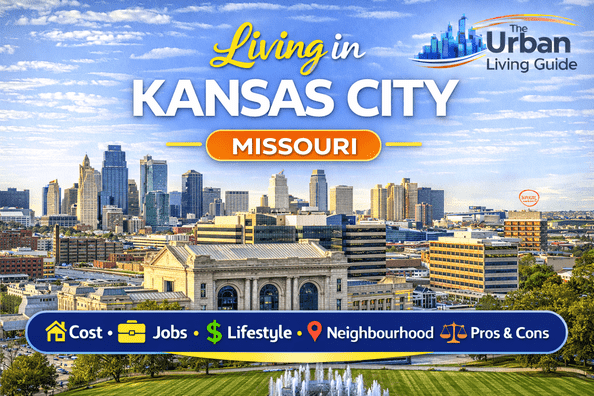
Living in Kansas City, Missouri in 2026: The Complete Local Guide to Midwest Culture, Jazz Heritage, and Urban-Suburban Balance
Stretching across the lush riverbanks where the Missouri River flows past the western edge of the state, living in Kansas City, Missouri offers an extraordinary fusion of Midwestern warmth, rich musical history, booming economic enterprise, and remarkable architectural beauty. As the largest municipality in the state with a population hovering around 510,000 residents, Kansas City anchors a sprawling, dynamic metropolitan basin that bridges the gap between urban sophistication and down-to-earth community living.
Universally celebrated as the “City of Fountains,” Kansas City boasts more than 200 decorative water features, second only to Rome globally. The municipality is equally legendary for its pioneering contributions to American jazz and blues, its globally revered Kansas City barbecue culture, and a thriving arts ecosystem anchored by iconic neighborhoods. Whether you are exploring the Spanish-inspired courtyards of the Country Club Plaza, catching a performance in the historic 18th & Vine Jazz District, or enjoying the scenic green spaces of Swope Park, life here delivers an accessible, art-infused, and economically stable standard of living. Local municipal administration and public development initiatives are coordinated through the official City of Kansas City Official Portal.
Why Kansas City Has Developed Such a Distinct Midwestern Identity
Over the past decade, Kansas City has captured national acclaim as a premier destination for families, entrepreneurs, and career professionals seeking big-city amenities without coastal living costs. Key factors driving its sustained popularity include:
- World-Class Culinary and Barbecue Scene: A globally renowned food culture anchored by legendary slow-smoked barbecue institutions, local craft breweries, and diverse culinary districts. Explore regional dining highlights via the Visit Kansas City Official Tourism Portal.
- Booming Tech and Healthcare Corridors: A resilient economy supported by major corporate headquarters, health tech innovations, and engineering firms.
- Deep Cultural and Musical Roots: A proud heritage of jazz music, independent art galleries, and historic performance venues that shape the city’s creative spirit.
- Exceptional Architectural Heritage: Miles of tree-lined residential boulevards, historic parks designed by George Kessler, and striking historic structures seamlessly blended with modern developments.
Kansas City at a Glance: Key Living Metrics
| Evaluation Metric | Local Data Overview & Regional Reality |
|---|---|
| Population | Approx. 510,000 within municipal city limits (Greater metro area exceeds 2.2 million) |
| Median Monthly Rent | Ranges from $1,100 to $2,100+ depending on apartment size and neighborhood district |
| Average Annual Salary | Typically spans $65,000 to $105,000 across technology, healthcare, finance, and engineering sectors |
| Primary Economic Pillars | Healthcare and medical research, tech services, finance, logistics, manufacturing, and corporate management |
| State Income Tax | Progressive Missouri state income tax structure ranging up to 4.8% across the state |
| Average Summer High | Routinely reaches 85°F to 95°F during warm, sun-drenched July and August afternoons |
| Primary Transit Mode | KC Streetcar system, RideKC bus network, and major interstate highway connectivity |
Famous Personalities, Local Icons & Major Brands in Kansas City
Kansas City has a proud history of nurturing visionary animators, legendary jazz virtuosos, and global corporate empires:
- Walt Disney: The pioneering animator and entertainment mogul who spent his formative creative years establishing his early animation studio in Kansas City (Kansas City Public Library Historical Archive).
- Charlie Parker: The legendary, internationally celebrated jazz saxophonist and bebop pioneer whose roots run deep in the local music scene (Charlie Parker Official Legacy Portal).
- Paul Rudd: The acclaimed Hollywood actor, writer, and local cultural icon who famously maintains strong community ties to the area.
- Kansas City Chiefs & Royals: Elite professional sports franchises driving massive community pride, including the powerhouse NFL franchise (Kansas City Chiefs Official Portal).
- Hallmark Cards & H&R Block: Major corporate giants maintaining their sprawling global headquarters within the metropolitan core (Hallmark Cards Corporate Portal).
Job Market & Business Opportunities with Major Employers
The employment landscape in Kansas City offers robust professional diversity, competitive salaries, and expanding innovation sectors:
- Healthcare and Biomedical Research: Major regional hospital networks and health systems delivering extensive clinical, nursing, and medical research careers. Track industry development via the University of Missouri System Research Portal.
- Information Technology and Software: A growing hub for software development, IT services, and health tech engineering.
- Finance and Professional Services: Home to major accounting, tax services, and corporate banking headquarters driving white-collar employment.
- Logistics and Manufacturing: A strategically positioned Midwestern transportation nexus supporting extensive supply chain and industrial engineering roles.
Housing & Real Estate Overview in Kansas City
Navigating the real estate market in Kansas City reveals an attractive landscape of historic charm and modern urban development:
- Diverse Architectural Stock: Features stately historic homes in neighborhoods like Brookside, modern loft apartments in Downtown, and expansive suburban developments throughout the metro. Explore property tax assessments via the Jackson County Assessment Portal.
- Market Valuations: While appreciation has risen steadily over recent years, property values remain significantly more accessible than coastal or mountain metropolitan markets.
- Rental Market Inventory: Average monthly rent spans $900 to $1,200 for studio units, $1,100 to $1,500 for one-bedroom apartments, $1,500 to $2,100 for two-bedroom properties, and $2,300 to $3,800+ for single-family rental homes.
- Suburban Alternatives: Surrounding residential enclaves offer quiet neighborhoods with excellent community amenities and short commutes.
Best Neighborhoods in Kansas City: Finding Your Ideal Community
| Neighborhood Name | Vibe & Lifestyle Character | Housing & Price Profile |
|---|---|---|
| Country Club Plaza | Upscale, pedestrian-friendly district inspired by Spanish architecture, luxury shopping, and fine dining. | High-end condominiums, luxury apartment rentals, and premium urban valuations. |
| Crossroads Arts District | Vibrant, industrial-chic urban center packed with art galleries, creative studios, and microbreweries. | Converted warehouse lofts, modern apartments, and dynamic artistic pricing. |
| Brookside | Historic, highly walkable residential neighborhood featuring tree-lined streets and boutique retail. | Charming Tudor and colonial revival homes, established blocks, and stable valuations. |
| Westport | Lively, historic entertainment district known for energetic nightlife, casual eateries, and young professionals. | Historic homes, multi-family conversions, and vibrant neighborhood pricing. |
| River Market | Historic riverfront community famous for weekend farmers markets, loft living, and streetcar access. | Modern mixed-use developments, historic brick lofts, and competitive urban inventory. |
Watch a recent video by a popular vlogger to understand daily life and vibes in Kansas City.
What It’s Really Like Living in Kansas City
Daily life in Kansas City is defined by an active, community-focused rhythm that blends Midwestern hospitality with urban vitality:
- Weekend Recreation Routines: Residents spend weekends exploring miles of park trails, visiting local barbecue joints, or attending professional sporting events. Check regional park events via Kansas City Parks and Recreation Portal.
- Cafes and Culinary Exploration: Mornings begin at independent roasters in neighborhood squares, followed by afternoon visits to historic markets and cultural hubs.
- Arts and Festival Participation: Engaging in vibrant First Friday art walks, neighborhood street festivals, and seasonal music celebrations across the city.
- Social Atmosphere: Friendly, unpretentious, intellectually curious, and deeply proud of local sports teams and cultural heritage.
If you’re not familiar with this part of the state, the map below will help you understand the city’s exact location.
Cost of Living in Kansas City: Monthly Expenses & Salary Needs
The cost of living in Kansas City sits comfortably below the national average, making it an exceptional financial haven for career growth:
- Housing Overhead: $1,300 to $1,900 covering standard apartment rentals across popular districts. Review regional economic indicators via the Bureau of Labor Statistics Midwest Information Office.
- Utilities & Power: $140 to $220 monthly for electricity, heating, water, and waste services, reflecting moderate seasonal climate adjustments.
- Groceries & Household Goods: $300 to $450 depending on household size and shopping preferences between local markets and national grocers.
- Transportation Expenses: $100 to $180 covering public transit fares, fuel, and vehicle upkeep.
- Required Household Income: Single professionals or working households typically require an annual income between $70,000 and $90,000 to comfortably manage local living expenses and long-term savings goals.
Transportation, Commute Dynamics & Transit Realities
- KC Streetcar System: Free-to-ride modern rail line connecting key downtown and riverfront districts (KC Streetcar Authority Portal).
- Extensive Bus Network: RideKC public bus routes linking residential wards across municipal and county boundaries.
- Highway Connectivity: Superior regional freeway access via Interstate 70 and Interstate 35, ensuring smooth transit across the metropolitan basin.
- Commute Times: Average daily commutes remain refreshingly manageable at approximately 23 minutes during peak hours.
- Aviation Convenience: Proximity to the modern Kansas City International Airport (MCI) for seamless domestic and international travel (MCI Airport Official Portal).
Weather Patterns, Seasonal Realities & Climate Factors
- Warm, Humid Summers: Summer daytime highs routinely average 85°F to 95°F, providing ideal weather for evening outdoor dining and festivals.
- Crisp, Snowy Winters: Winter seasons bring true four-season weather with occasional snowfall and brisk temperatures, keeping winter sports enthusiasts active. Track active meteorological updates via the National Weather Service Kansas City Portal.
- Splendid Transition Seasons: Spring and autumn deliver magnificent foliage across city parks, comfortable temperatures, and vibrant outdoor community events.
Education, Schools & Major Universities
- University of Missouri-Kansas City (UMKC): A prominent urban research university offering comprehensive undergraduate, graduate, and professional programs (UMKC Official Portal).
- Rockhurst University: Respected private Jesuit institution providing exceptional liberal arts and professional education.
- Kansas City Art Institute (KCAI): Nationally recognized college of art and design fostering creative talent in the heart of the cultural district (KCAI Official Portal).
- Public School Networks: Operating numerous neighborhood schools focused on academic achievement, magnet programs, and community involvement.
Medical Facilities, Hospitals & Healthcare Systems
Healthcare infrastructure in Kansas City is advanced, specialized, and anchored by world-class medical institutions:
- Saint Luke’s Health System: Major premier regional health network operating comprehensive acute care hospitals, emergency centers, and specialized care units (Saint Luke’s Health System Portal).
- The University of Kansas Health System: Leading academic medical center delivering cutting-edge clinical care, medical research, and specialized treatments.
- Local Community Outpatient Centers: Extensive network of neighborhood clinics, urgent care facilities, and specialized pediatric networks.
Popular Hotels, Cafes, Dining & Culinary Scene
The hospitality and culinary identity of Kansas City reflects historic boutique hotel elegance, legendary barbecue mastery, and vibrant cafe culture:
- Hotel Kansas City: Sophisticated luxury boutique hotel located in a historic downtown architectural landmark, featuring fine dining and refined hospitality (Hotel Kansas City Portal).
- The Fontaine & InterContinental: High-end accommodations offering luxurious amenities near the Country Club Plaza shopping district.
- Barbecue Institutions & Cafes: Acclaimed neighborhood smokehouses, artisan coffee roasters, and craft microbreweries serving innovative local flavors.
Sightseeing, Cultural Spots & Tourist Attractions
Landmark cultural institutions and historic destinations significantly enhance the daily quality of life for local residents:
- National WWI Museum and Memorial: Nationally designated memorial and museum offering striking architecture and comprehensive historical exhibits (National WWI Museum Portal).
- Nelson-Atkins Museum of Art: World-renowned art museum featuring extensive collections and the iconic sculpture park on lawn grounds (Nelson-Atkins Museum Portal).
- Union Station Kansas City: Historic 1914 railway station serving as a vibrant cultural center, science museum, and transit hub (Union Station Portal).
Regional Trade-offs: Pros and Cons of Living in Kansas City
Pros
- Affordable housing and rental markets compared to major coastal U.S. metropolitan areas.
- Thriving sports culture, vibrant entertainment districts, and world-class barbecue.
- Growing job market across technology, healthcare, and professional services sectors.
- Rich jazz music heritage, independent art galleries, and dynamic cultural festivals.
- Friendly Midwestern community spirit with manageable daily commute times.
Cons
- Hot, humid summer afternoons and cold winter weather requiring seasonal preparation.
- Public transportation infrastructure is more limited compared to ultra-dense coastal cities.
- Traffic congestion along major highway corridors during peak morning and evening hours.
- Property crime and urban challenges present in specific commercial and residential pockets.
- Spring severe weather seasons occasionally bringing heavy storms and tornado alerts.
Who Is Kansas City Ideal For — And Who Should Avoid It?
Who Kansas City Is Ideal For
- Families and Homebuyers: Residents seeking affordable housing stock, excellent neighborhood schools, and community parks.
- Career Professionals: Workers pursuing robust opportunities in healthcare, tech engineering, corporate management, and finance.
- Culture and Music Enthusiasts: Individuals drawn to historic jazz heritage, culinary arts, and vibrant local creative scenes.
- Sports and Entertainment Fans: People who value energetic professional sports culture and active nightlife districts.
Who Should Avoid Kansas City
- Subway and Rail Purists: Individuals who rely entirely on extensive 24-hour underground rail transit systems without a personal vehicle.
- Extreme Climate Avoiders: People who struggle with hot, humid summers or freezing winter snowstorms.
- Mega-City Nightlife Seekers: Residents looking for ultra-dense, 24-hour metropolis club cultures like New York or Chicago.
- Ultra-Low Tax Seekers: Individuals unwilling to manage state income tax and local earnings tax structures.
Real Experiences: Perspectives from Long-Term Residents (5 to 10+ Years)
“Buying a home in Brookside eight years ago was the best financial and lifestyle decision I’ve made. The tree-lined streets, friendly neighbors, and proximity to local coffee shops give it an incredible small-town feel right inside a major city. Winters can get properly cold, but the summers, the neighborhood parks, and the food scene make staying here an absolute joy.”
[Source: r/kansascity Community Discussions — u/BrooksideDad913, resident of 9 years]
“Moving here from the East Coast for a healthcare tech role gave me a serious reality check on how far a salary can actually stretch. Housing costs are reasonable, commutes are short, and the cultural life—from jazz at 18th & Vine to world-class barbecue—surpassed all my expectations. You do need a car to get around efficiently, but the trade-offs are completely worth it.”
[Source: Local Resident Panels & Community Forums — Marcus Vance, Crossroads loft owner of 7 years]
Frequently Asked Questions About Living in Kansas City, Missouri
Is Kansas City expensive to live in compared to other major U.S. metropolitan hubs?
Kansas City maintains a highly affordable cost of living that sits notably below the national average, offering substantially lower housing costs than coastal technology or financial centers.
What level of annual salary do individuals need to live comfortably in Kansas City?
Most single professionals require an annual salary between $70,000 and $90,000 to comfortably cover rent, utilities, transportation, and discretionary spending across popular neighborhood districts.
Can residents successfully navigate daily life in Kansas City without owning a personal vehicle?
While downtown areas featuring the free KC Streetcar are walkable, most residents prefer having a car to commute across the sprawling metropolitan region efficiently.
What are the standout residential neighborhoods recommended for new residents?
Top residential areas include the Country Club Plaza for upscale architecture, Brookside for historic family charm, River Market for loft living, and Crossroads for creative urban energy.
How do daily commute dynamics function for working professionals across the metro?
Commuters primarily utilize Interstate 70, Interstate 35, and major surface arteries, enjoying manageable average daily commute times of around 23 minutes during standard hours.
What core cultural and recreational highlights define the local Kansas City experience?
Residents enjoy exploring the Nelson-Atkins Museum of Art, touring the National WWI Museum, relaxing in Swope Park, and sampling award-winning local barbecue traditions.
🔗 Explore More Cities in Missouri
If you’re exploring more options beyond Kansas City, The Urban Living Guide has covered several other popular cities in Missouri. You can also check:
- Living in St. Louis, Missouri
- Living in Springfield, Missouri
- Living in Columbia, Missouri
- Living in Independence, Missouri
Before deciding if Kansas City is right for you, check out:
- Cost of Living in Kansas City, Missouri
- Pros and Cons of Living in Kansas City, Missouri
- Best Neighborhoods in Kansas City, Missouri
Then explore our complete relocation guide: Moving to Kansas City, Missouri
These guides offer a comprehensive view of life in different cities, covering key aspects like cost of living, housing, job opportunities, neighborhoods, commute, weather, education, popular spots, and major employers.
The Urban Living Guide brings all these insights together in one place, making it easier to compare cities and choose the one that best fits your lifestyle, priorities, and long-term goals.