

Living in St. Louis, Missouri in 2026: The Complete Local Guide to Gateway Architecture, Midwestern Culture, and River City Neighborhoods
Stretching across the lush, rolling western banks where the Mississippi River meets the heart of the American Midwest, living in St. Louis, Missouri offers an extraordinary blend of pioneering history, world-class cultural institutions, robust medical and biotech industries, and remarkable housing affordability. As the anchor municipality of a sprawling metropolitan basin exceeding 2.8 million residents with a city proper population of approximately 280,000 residents, St. Louis delivers big-city amenities paired with accessible community charm.
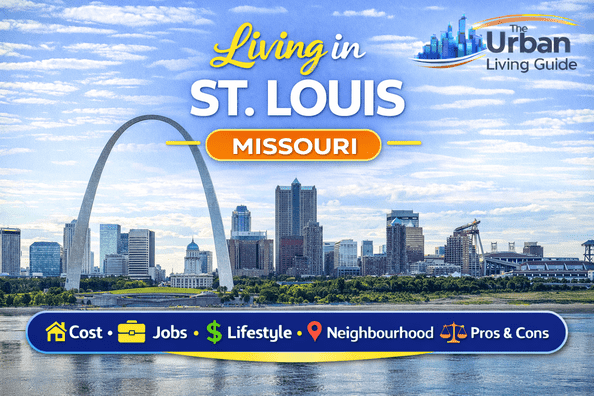
Universally celebrated as “The Gateway to the West,” the city is defined globally by the towering Gateway Arch, a architectural marvel commemorating America’s westward expansion. Beyond its historical monuments, St. Louis is renowned for its passionate sports culture, legendary blues and jazz heritage, expansive green spaces like Forest Park, and distinct neighborhood enclaves ranging from the historic Victorian brick homes of Lafayette Square to the bustling culinary traditions of The Hill. Municipal governance, neighborhood development programs, and public safety initiatives are centrally coordinated through the official City of St. Louis Government Portal.
What Makes St. Louis So Unique & Popular
Over recent years, St. Louis has drawn national recognition as an exceptional destination for career professionals, healthcare workers, and first-time homebuyers seeking economic stability and cultural depth without coastal price tags. Key factors driving its sustained popularity include:
- Iconic Architectural and Historical Legacy: Immediate presence of world-renowned landmarks like the Gateway Arch National Park, paired with one of the largest collections of 19th-century brick architecture in the United States. Explore regional heritage initiatives via the Explore St. Louis Official Tourism Portal.
- World-Class Parks and Free Cultural Attractions: Access to unmatched public amenities, including the sprawling 1,300-acre Forest Park, which houses top-tier cultural institutions free of general admission fees.
- Booms in Health Tech and Biosciences: A thriving innovation corridor centered around advanced medical research, biotechnology firms, and specialized clinical networks.
- Legendary Culinary and Brewing Traditions: A celebrated food culture defined by historic Italian-American districts, local barbecue staples, and deep-rooted brewing history.
St. Louis At a Glance: Key Living Metrics
| Evaluation Metric | Local Data Overview & Regional Reality |
|---|---|
| Population | Approx. 280,000 within municipal city limits (Greater bi-state metro area exceeds 2.8 million) |
| Median Monthly Rent | Ranges from $1,000 to $2,200+ depending on apartment square footage and neighborhood district |
| Average Annual Salary | Typically spans $65,000 to $105,000 across healthcare, biotechnology, finance, and engineering sectors |
| Primary Economic Pillars | Healthcare and clinical research, biotechnology, aerospace defense, finance, and manufacturing logistics |
| State Income Tax | Progressive Missouri state income tax structure ranging up to 4.8% across taxable brackets |
| Average Summer High | Routinely reaches 85°F to 95°F during warm, sun-drenched July and August afternoons |
| Primary Transit Mode | MetroLink light rail system, MetroBus network, and major regional interstate corridors |
Famous Personalities, Local Icons & Major Brands in St. Louis
St. Louis boasts a proud legacy of nurturing musical pioneers, legendary civil rights figures, elite professional sports franchises, and global corporate giants:
- Chuck Berry: The foundational rock and roll pioneer, songwriter, and guitar innovator who spent his defining artistic years performing and living in St. Louis (Chuck Berry Official Legacy Portal).
- Nelly: The Grammy-winning multi-platinum rapper, entrepreneur, and cultural ambassador who brought international attention to local hip-hop and community pride (Nelly Official Portal).
- Maya Angelou: The influential poet, author, and civil rights activist who spent formative educational years in the St. Louis region.
- St. Louis Cardinals & Blues: Legendary professional sports franchises anchored by passionate fan bases at Busch Stadium and the Enterprise Center.
- Anheuser-Busch & Edward Jones: Major corporate leaders maintaining massive manufacturing operations and corporate headquarters within the metropolitan area (Edward Jones Investments Portal).
Job Market & Business Opportunities with Major Employers
The employment landscape in St. Louis offers robust professional diversity, competitive compensation packages, and expanding innovation hubs:
- Healthcare and Biomedical Research: Anchored by elite medical institutions delivering extensive clinical, nursing, and biomedical research careers. Explore regional economic metrics via the Bureau of Labor Statistics Midwest Information Office.
- Biotechnology and Life Sciences: A rapidly expanding sector driven by agricultural technology, pharmaceutical research, and venture-backed startups.
- Finance, Banking and Wealth Management: Home to major national investment firms, regional banks, and corporate financial advisory headquarters.
- Aerospace and Advanced Manufacturing: A historic manufacturing powerhouse supporting defense contracting, aerospace engineering, and industrial logistics.
Housing & Real Estate Overview in St. Louis
Navigating the real estate market in St. Louis reveals an exceptional landscape of historic character, architectural preservation, and notable affordability:
- Diverse Architectural Stock: Features classic red brick two-flats, historic Victorian homes in Lafayette Square, luxury high-rise condominiums in the Central West End, and modern suburban builds across St. Louis County.
- Market Valuations: Property values remain significantly more accessible than coastal or mountain metropolitan markets, offering high square footage per dollar for buyers.
- Rental Market Inventory: Average monthly rent spans $800 to $1,100 for studio units, $1,000 to $1,400 for one-bedroom apartments, $1,400 to $1,900 for two-bedroom properties, and $2,200 to $3,600+ for single-family rental houses.
- Suburban Enclaves: Surrounding municipalities provide quiet residential streets, top-tier public school districts, and strong property appreciation.
Best Neighborhoods in St. Louis: Finding Your Ideal Community
| Neighborhood Name | Vibe & Lifestyle Character | Housing & Price Profile |
|---|---|---|
| Central West End | Upscale, highly walkable urban district featuring historic mansions, elite dining, and cultural venues. | Historic brownstones, luxury condominiums, and premium urban valuations. |
| Clayton | Sleek commercial and financial hub offering modern high-rises, fine dining, and manicured parks. | Luxury apartment towers, executive homes, and competitive high-end pricing. |
| Soulard | Historic 19th-century neighborhood famous for brick architecture, energetic nightlife, and Mardi Gras celebrations. | Historic townhomes, converted lofts, and vibrant neighborhood pricing. |
| Lafayette Square | Stunning Victorian-era residential district centered around a lush, restored urban park square. | Ornate painted ladies, restored historic townhomes, and stable residential valuations. |
| The Hill | Tight-knit, historic Italian-American community celebrated for family bakeries, trattorias, and corner taverns. | Classic St. Louis brick bungalows, multi-family flats, and strong community demand. |
If you’re not familiar with the area, take a look at the video below to understand daily life and vibes in St. Louis.
What It’s Really Like Living in St. Louis
Daily life in St. Louis is defined by a friendly, community-oriented rhythm that blends Midwestern hospitality with rich urban traditions:
- Weekend Park and Trail Routines: Residents spend weekends exploring the vast amenities of Missouri Botanical Garden or attending festivals in Forest Park. Check municipal recreation schedules via the St. Louis Parks and Recreation Portal.
- Cafe and Dining Culture: Mornings begin at independent roasters in neighborhood squares, followed by afternoon visits to historic Italian markets and specialty food shops.
- Arts and Festival Engagement: Participating in free outdoor theater productions, neighborhood art walks, and historic community celebrations throughout the year.
- Social Atmosphere: Warm, unpretentious, deeply civic-minded, and fiercely supportive of local sports teams and neighborhood institutions.
👉 If this area is new to you, check the map below to see where the city is positioned geographically.
Cost of Living in St. Louis: Monthly Expenses & Salary Needs
The cost of living in St. Louis sits noticeably below the national average, providing strong purchasing power for residents:
- Housing Overhead: $1,200 to $1,700 covering standard apartment rentals across popular city and suburban districts.
- Utilities & Power: $140 to $220 monthly for electricity, heating, water, and municipal waste services, reflecting standard seasonal adjustments.
- Groceries & Household Goods: $300 to $450 depending on household size and shopping preferences between local specialty grocers and supermarkets.
- Transportation Expenses: $100 to $180 covering public transit passes, fuel, and vehicle maintenance.
- Required Household Income: Single professionals or working households typically require an annual income between $70,000 and $90,000 to comfortably cover local living expenses and long-term savings goals.
Transportation, Commute Dynamics & Transit Realities
St. Louis provides comprehensive transportation infrastructure that connects urban cores to suburban employment centers:
- MetroLink Light Rail System: Rapid transit rail lines connecting Lambert International Airport directly to downtown and Illinois suburbs (Metro Transit Official Portal).
- Extensive Bus Network: Comprehensive MetroBus routes linking residential wards across municipal boundaries.
- Highway Connectivity: Superior regional freeway access via Interstate 64, Interstate 44, and Interstate 70, ensuring efficient regional travel.
- Commute Times: Average daily commutes remain manageable at approximately 24 minutes during standard peak hours.
- Aviation Convenience: Proximity to St. Louis Lambert International Airport (STL) for seamless domestic and international travel (STL Airport Official Portal).
Weather Patterns, Seasonal Realities & Climate Factors
The environmental rhythm of St. Louis follows a humid continental climate featuring four distinct, vibrant seasons:
- Warm, Humid Summers: Summer daytime highs routinely average 85°F to 95°F with lush greenery across city parks and outdoor venues. Track active meteorological forecasts via the National Weather Service St. Louis Portal.
- Crisp, Snowy Winters: Winter seasons bring brisk temperatures and occasional snowfall, maintaining a picturesque backdrop across historic brick streetscapes.
- Splendid Transition Seasons: Spring and autumn deliver magnificent foliage across Forest Park, mild temperatures, and vibrant outdoor community events.
Education, Schools & Major Universities
Educational infrastructure stands as a premier anchor for academic excellence, scientific research, and workforce development:
- Washington University in St. Louis (WashU): A globally prestigious private research university offering world-class undergraduate, graduate, and medical programs (WashU Official Portal).
- Saint Louis University (SLU): Respected Jesuit research institution providing exceptional liberal arts, professional degrees, and health sciences.
- University of Missouri-St. Louis (UMSL): Major public urban research university driving regional education and professional training.
- Public and Private K-12 Networks: Operating numerous specialized magnet schools, parochial academies, and suburban districts focused on academic achievement.
Medical Facilities, Hospitals & Healthcare Systems
Healthcare infrastructure in St. Louis is world-class, highly specialized, and anchored by premier academic medical centers:
- Washington University School of Medicine & BJC HealthCare: Globally recognized medical complex and level-one trauma center delivering groundbreaking clinical care and biomedical research (BJC HealthCare Portal).
- Mercy Hospital St. Louis & SSM Health: Major regional hospital networks operating comprehensive acute care facilities, emergency centers, and specialty clinics.
- Specialized Outpatient Centers: Extensive network of community health clinics and pediatric specialty centers serving the metropolitan population.
Popular Hotels, Cafes, Dining & Culinary Scene
The hospitality and culinary identity of St. Louis reflects historic luxury hotel elegance, innovative culinary arts, and neighborhood gathering traditions:
- Four Seasons Hotel St. Louis: Sophisticated luxury property offering striking Mississippi River views, fine dining, and refined hospitality.
- The Chase Park Plaza Royal Sonesta Hotel: Historic landmark hotel located in the Central West End, featuring timeless elegance and classic architecture.
- The Hill Trattorias & Bakeries: Acclaimed neighborhood restaurants, artisan coffee roasters, and traditional Italian bakeries serving signature local specialties.
Sightseeing, Cultural Spots & Tourist Attractions
Landmark cultural institutions and historic destinations significantly enhance the daily quality of life for local residents:
- Gateway Arch National Park: Iconic national monument and underground museum celebrating westward expansion along the riverfront (Gateway Arch NPS Portal).
- Forest Park & St. Louis Zoo: Sprawling urban park housing the world-famous St. Louis Zoo, Art Museum, and History Museum.
- Missouri Botanical Garden: Nationally acclaimed historic botanical research facility featuring the Japanese Garden and Climatron greenhouse (Missouri Botanical Garden Portal).
Regional Trade-offs: Pros and Cons of Living in St. Louis
Pros
- Highly accessible housing and rental markets compared to major coastal metropolitan areas.
- World-class healthcare systems, research universities, and stable employment sectors.
- Vibrant arts community, free cultural institutions, and expansive park networks.
- Passionate professional sports culture and historic entertainment districts.
- Friendly Midwestern community atmosphere with manageable commute times.
Cons
- Hot, humid summer afternoons and cold winter weather requiring seasonal adaptation.
- Crime rates and safety challenges concentrated in specific urban pockets.
- Public transit coverage is limited outside central rail and bus corridors.
- Traffic congestion along major highway interchanges during rush hours.
- Spring severe weather seasons occasionally bringing heavy storm activity.
Who Is St. Louis Ideal For — And Who Should Avoid It?
Who St. Louis Is Ideal For
- Healthcare and Tech Professionals: Workers pursuing robust careers in medical research, biotechnology, and corporate finance.
- First-Time Homebuyers: Residents seeking affordable historic architecture, spacious homes, and strong community value.
- Culture and Park Enthusiasts: Individuals who value free world-class museums, extensive park systems, and active arts calendars.
- Sports and Entertainment Fans: People who thrive in a city with passionate baseball, hockey, and soccer fandom.
Who Should Avoid It
- Year-Round Warmth Seekers: Individuals who struggle with cold winter snowstorms and humid summer conditions.
- Ultra-Dense Megacity Purists: Residents looking for 24-hour subterranean subway networks and massive coastal metropolis density.
- Those Intolerant of Urban Crime Issues: People uncomfortable navigating neighborhoods with documented public safety and property crime disparities.
- Bargain Renters in Exclusive Core Pockets: Buyers seeking ultra-low housing costs directly inside high-demand luxury districts.
Real Experiences: Perspectives from Long-Term Residents (5 to 10+ Years)
“Buying a historic brick home in Lafayette Square twelve years ago was the best decision my family could have made. The neighborhood pride, the restored Victorian architecture, and being able to walk over to the park square on weekends feels like stepping back in time while staying fully connected to the city. Winters get gray, but the community warmth and the incredible food scene make it home.”
[Source: r/StLouis Community Discussions — u/LafayetteBrickOwner, resident of 12 years]
“Moving here for a research role at WashU opened my eyes to how much quality of life you can get for your money in the Midwest. Housing is reasonable, commutes are short compared to coastal cities, and having Forest Park in your backyard is an absolute game-changer. You definitely need a car for certain errands, but the cultural depth here surprised me in the best way possible.”
[Source: Local Resident Panels & Community Forums — David Vance K., Central West End homeowner of 9 years]
Frequently Asked Questions About Living in St. Louis, Missouri
Is St. Louis expensive to live in compared to other major U.S. metropolitan hubs?
No, St. Louis maintains a highly affordable cost of living that sits comfortably below the national average, offering substantially lower housing costs than coastal technology or financial centers.
What level of annual salary do individuals need to live comfortably in St. Louis?
Most single professionals require an annual salary between $70,000 and $90,000 to comfortably cover rent, utilities, transportation, and discretionary spending across popular neighborhood districts.
Can residents successfully navigate daily life in St. Louis without owning a personal vehicle?
While the MetroLink light rail serves central medical and downtown corridors efficiently, most residents prefer owning a personal vehicle to commute across the sprawling metropolitan region.
What are the standout residential neighborhoods recommended for new residents?
Top residential areas include the Central West End for urban walkability, Clayton for professional convenience, Lafayette Square for historic charm, and The Hill for tight-knit community traditions.
How do daily commute dynamics function for working professionals across the metro?
Commuters primarily utilize Interstate 64, Interstate 44, and Interstate 70, enjoying manageable average daily commute times of around 24 minutes during standard hours.
What core cultural and recreational highlights define the local St. Louis experience?
Residents enjoy exploring Forest Park, visiting the Gateway Arch National Park, touring the Missouri Botanical Garden, and attending professional baseball and hockey games.
🔗 Explore More Cities in Missouri
If you’re exploring more options beyond St. Louis, The Urban Living Guide has covered several other popular cities in Missouri. You can also check:
- Living in Kansas City, Missouri
- Living in Springfield, Missouri
- Living in Columbia, Missouri
- Living in Independence, Missouri
Want to learn more about St. Louis? Check out these helpful guides:
- Cost of Living in St. Louis, Missouri
- Pros and Cons of Living in St. Louis, Missouri
- Best Neighborhoods in St. Louis, Missouri
Ready to make your decision? Explore our complete guide here: Moving to St. Louis, Missouri
These guides offer a comprehensive view of life in different cities, covering key aspects like cost of living, housing, job opportunities, neighborhoods, commute, weather, education, popular spots, and major employers.
The Urban Living Guide brings all these insights together in one place, making it easier to compare cities and choose the one that best fits your lifestyle, priorities, and long-term goals.