

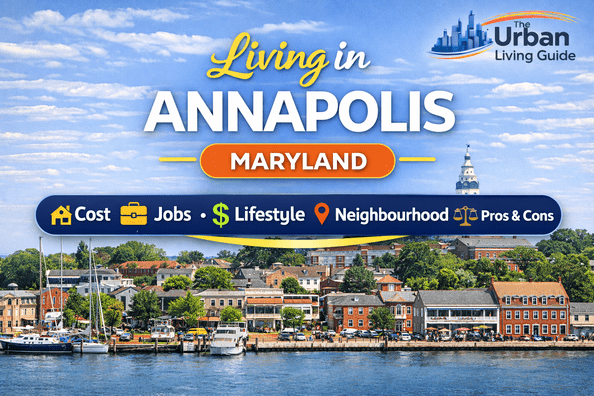
Living in Annapolis, Maryland in 2026: The Complete Local Guide to America’s Sailing Capital, Naval Academy Heritage, and Chesapeake Bay Waterfront Living
Stretching picturesquely along the tidal shores where the Chesapeake Bay meets the mouth of the Severn River in Anne Arundel County, living in Annapolis, Maryland offers an enchanting blend of colonial-era historic architecture, world-class maritime culture, and sophisticated coastal living. As the official capital city of Maryland with a compact, highly walkable population of approximately 40,000 residents, Annapolis commands an international reputation as a premier boating and political hub on the U.S. East Coast.
Universally celebrated as “America’s Sailing Capital,” Annapolis features a breathtaking historic harbor filled with hundreds of gleaming sailboats, framed by cobblestone streets, 18th-century brick row houses, and world-class seafood restaurants. Whether you are watching midshipmen march across the grounds of the prestigious United States Naval Academy, sailing competitive regattas across the Chesapeake, or commuting toward Washington D.C., living here delivers a uniquely nautical, historically immersive standard of living. Municipal governance, public safety programs, and community initiatives are centrally administered through the official City of Annapolis Government Portal.
If this area is new to you, check the map below to see where the city is positioned geographically along the Chesapeake Bay.
All quantitative metrics, economic data points, and community insights compiled within this living guide are synthesized from official municipal records, regional economic boards, and verified long-term resident feedback.
What Makes Annapolis So Popular & Unique
Over recent decades, Annapolis has established itself as one of the most desirable and culturally distinct coastal destinations in the American Mid-Atlantic. Key factors driving its sustained popularity include:
- Unrivaled Sailing and Maritime Heritage: Home to a legendary harbor culture, major national boat shows, and a vibrant community of boaters and sailors. Explore regional tourism initiatives via the Maryland Office of Tourism Portal.
- Preserved Colonial Architecture: An impeccably maintained historic downtown district featuring the highest concentration of 18th-century brick architecture in the country.
- U.S. Naval Academy Presence: Immediate integration with the prestigious naval institution, imparting a strong sense of pride, tradition, and patriotic community engagement.
- Strategic East Coast Location: Convenient proximity to both Baltimore and Washington D.C., allowing residents to access major metropolitan employment markets.
Annapolis at a Glance: Key Living Metrics
| Evaluation Metric | Local Data Overview & Regional Reality |
|---|---|
| Population | Approx. 40,000 within municipal city limits (Historic capital city density) |
| Median Monthly Rent | Ranges from $1,400 to $3,000+ depending on unit size and historic district proximity |
| Average Annual Salary | Typically spans $65,000 to $110,000 across government, defense, and maritime sectors |
| Primary Economic Pillars | U.S. military defense, state government administration, maritime industries, tourism, and healthcare |
| State Income Tax | Progressive state income tax structure ranging up to 5.75% across Maryland (plus local income taxes) |
| Average Summer High | Routinely reaches 85°F to 90°F during warm, humid July and August afternoons |
| Primary Transit Mode | Regional bus services, regional highways via U.S. Route 50, and personal vehicles |
Famous Personalities, Local Icons & Major Brands in Annapolis
Annapolis has a proud history of nurturing founding American statesmen, legendary athletic coaches, and global apparel innovators:
- James Madison: The founding father and 4th U.S. President who participated heavily in early American government deliberations and constitutional conventions held in Annapolis.
- Bill Belichick: The legendary, record-setting NFL head coach who maintains deep familial and professional ties to the United States Naval Academy football program.
- Kevin Plank: The billionaire founder and CEO of Under Armour, whose transformative corporate and athletic leadership remains deeply rooted in Maryland’s business community (Under Armour Corporate Portal).
- United States Naval Academy: The elite four-year service academy preparing officers for the U.S. Navy and Marine Corps, anchoring the city’s cultural and architectural identity (United States Naval Academy Official Portal).
- Maryland State House: The oldest state capitol in continuous legislative use, serving as the temporary capital of the United States in 1783–1784.
Job Market & Business Opportunities with Major Employers
The employment landscape in Annapolis offers stable professional opportunities, public sector security, and specialized maritime careers:
- Government and Public Administration: Anchored by the Maryland state government offices, legislative agencies, and county administration departments.
- Defense and Military Contracting: Professional opportunities tied to the Naval Academy, regional military installations, and defense contractors like Northrop Grumman.
- Tourism, Hospitality, and Sailing: A thriving visitor economy driven by historic tourism, marina operations, yacht brokerage, and marine supply businesses.
- Healthcare Services: Major regional medical centers providing robust clinical, nursing, and specialized health administration careers.
Housing & Real Estate Overview in Annapolis
Navigating the real estate market in Annapolis requires understanding strict historic preservation laws, waterfront premiums, and neighborhood diversity:
- Diverse Architectural Stock: Features historic colonial brick homes in Historic Downtown, maritime cottages in Eastport, and suburban properties in Admiral Heights. Track property assessments via the Maryland Department of Assessments and Taxation Portal.
- Waterfront Price Premiums: Direct access to the Severn River and Chesapeake Bay drives real estate valuations significantly above national averages.
- Rental Market Inventory: Average monthly rent spans $1,400 to $1,800 for studio units, $1,600 to $2,200 for one-bedroom apartments, $2,200 to $3,000 for two-bedroom properties, and $3,200 to $5,000+ for single-family home rentals.
- Market Demand: High interest from retirees, boating enthusiasts, and Washington D.C. commuters keeps inventory moving rapidly.
Best Neighborhoods in Annapolis: Finding Your Ideal Community
| Neighborhood Name | Vibe & Lifestyle Character | Housing & Price Profile |
|---|---|---|
| Historic Downtown | Picturesque colonial core featuring brick-paved streets, boutique shops, and immediate harbor dining. | Historic colonial row houses, upscale apartments, and premium market valuations. |
| Eastport | Vibrant maritime community located across Spa Creek, famous for boatyards, pubs, and nautical camaraderie. | Waterfront cottages, renovated homes, and competitive residential pricing. |
| West Annapolis | Charming, quiet residential enclave boasting independent shops, cafes, and tree-canopied streets. | Traditional single-family homes, period houses, and stable residential values. |
| Admiral Heights | Family-oriented neighborhood situated near the Naval Academy, offering community parks and scenic river views. | Mid-century homes, split-levels, and family-friendly market pricing. |
| Cape St. Claire | Coastal residential community near the Chesapeake Bay providing private beach access and quiet suburban living. | Detached houses, waterfront properties, and suburban valuations. |
Watch a recent video by a popular vlogger to understand daily life and vibes in Annapolis.
What It’s Really Like Living in Annapolis (Daily Life & Vibe)
Daily life in Annapolis is defined by a serene, nautical-focused rhythm that blends colonial history with active outdoor recreation:
- Active Sailing & On-Water Routines: Residents spend weekends sailing across the Chesapeake Bay, kayaking along the Severn River, or walking the historic City Dock promenade. Explore park guidelines via the City of Annapolis Parks and Recreation Portal.
- Seafood and Coastal Dining: Evenings feature waterfront dining serving fresh Maryland blue crab cakes, oysters, and local culinary specialties.
- Community and Sailing Events: Participating in vibrant seasonal festivals, Annapolis Powerboat and Sailboat Shows, and farmers markets.
- Social Atmosphere: Welcoming, patriotic, maritime-obsessed, and deeply appreciative of history and coastal conservation.
Cost of Living in Annapolis: Monthly Expenses & Salary Needs
The cost of living in Annapolis sits moderately above the national and state averages, driven primarily by high real estate and waterfront property valuations:
- Housing Overhead: $1,800 to $3,200+ covering standard apartment and single-family home rentals across popular neighborhoods. Review regional economic data via the Bureau of Labor Statistics Mid-Atlantic Information Office.
- Utilities & Power: $150 to $240 monthly for electricity, heating, water, and municipal services, with higher summer cooling requirements.
- Groceries & Household Goods: $350 to $500 depending on household size and shopping choices between local markets and major supermarkets.
- Transportation Expenses: $120 to $200 covering public bus fares, fuel, and vehicle upkeep.
- Required Household Income: Single professionals or working households typically require an annual income between $75,000 and $95,000 to comfortably cover local living expenses and long-term savings goals.
Transportation, Commute Dynamics & Transit Realities
Annapolis provides effective regional transportation links connecting commuters to nearby Baltimore and Washington D.C.:
- Regional Bus Transit: Public commuter bus services operated by the city and state, linking Annapolis directly to Washington D.C. and Baltimore transit hubs (Annapolis Regional Travel Portal).
- Highway Connectivity: Excellent freeway access via U.S. Route 50 and U.S. Route 301, ensuring smooth travel across the Chesapeake Bay Bridge.
- Commute Times: Average daily commutes hover around a manageable 26 minutes locally, though D.C. commuters experience longer transit times.
- Aviation Convenience: Proximity to Baltimore/Washington International Thurgood Marshall Airport (BWI), located just 30 minutes away.
Weather Patterns, Seasonal Realities & Climate Factors
The environmental rhythm of Annapolis follows a classic Mid-Atlantic humid subtropical climate pattern influenced directly by the Chesapeake Bay:
-
- Warm, Humid Summers: Summer daytime high temperatures routinely average 85°F to 90°F with refreshing bay breezes providing coastal comfort.
- Mild Winters: Winter seasons are generally mild to cool with occasional snowfall, making winter commuting and outdoor waterfront walks manageable. Track active forecasts via the National Weather Service Baltimore-Washington Portal.
Education, Schools & Major Universities
Educational infrastructure stands as a premier anchor for academic prestige, historical leadership, and professional training:
- United States Naval Academy: The world-renowned federal service academy providing elite undergraduate education and military leadership training (USNA Official Portal).
- St. John’s College Annapolis: A prestigious private liberal arts college celebrated for its unique, discussion-based Great Books curriculum (St. John’s College Official Portal).
- Anne Arundel Community College: Providing accessible associate degrees, nursing programs, and continuing education pathways.
- Anne Arundel County Public Schools: Operating highly rated K-12 public school facilities focused on student achievement.
Medical Facilities, Hospitals & Healthcare Systems
Healthcare infrastructure in Annapolis is advanced, highly accessible, and supported by premier regional medical networks:
- Luminis Health Anne Arundel Medical Center (AAMC): A premier 400+ bed acute care regional hospital offering advanced emergency care, surgical suites, and specialized medicine (Luminis Health AAMC Portal).
- Specialized Outpatient Clinics: Comprehensive network of urgent care centers, specialist practices, and family health clinics across the peninsula.
- Regional Medical Access: Immediate proximity to specialized research hospitals throughout Baltimore and Washington D.C.
Popular Hotels, Cafes, Dining & Culinary Scene
The hospitality and culinary identity of Annapolis reflects historic inn elegance, maritime hospitality, and world-famous seafood:
- Graduate Annapolis Hotel: Stylish, nautically inspired boutique hotel celebrating naval heritage, local art, and vibrant hospitality near downtown (Graduate Annapolis Portal).
- Historic Inns of Annapolis: Authentic colonial-era lodging offering timeless historic character right in the heart of the historic district.
- Waterfront Dining: Renowned harbor restaurants serving traditional Maryland crab cakes, cream of crab soup, and fresh Chesapeake Bay oysters.
Sightseeing, Cultural Spots & Tourist Attractions
Landmark cultural institutions and historic destinations significantly enhance the daily quality of life for local residents:
- Annapolis Harbor & City Dock: The lively maritime heart of the city, lined with historic schooners, seafood taverns, and bustling boardwalks.
- William Paca House and Garden: Impeccably restored 18th-century Georgian mansion and two-acre terraced pleasure garden built by a signer of the Declaration of Independence (William Paca House Portal).
- Maryland State House: Historic architectural landmark offering guided tours of the nation’s oldest active legislative statehouse.
Regional Trade-offs: Pros and Cons of Living in Annapolis
Pros of Living in Annapolis
- Stunning Chesapeake Bay waterfront setting offering world-class sailing, boating, and coastal scenery.
- Impeccably preserved historic downtown district featuring colonial architecture and vibrant culture.
- Strong military-family community support anchored by the U.S. Naval Academy.
- Convenient geographic positioning near Baltimore and Washington D.C.
- Exceptional seafood cuisine and charming maritime lifestyle.
Cons of Living in Annapolis
- Higher housing purchase prices and rental rates driven by waterfront demand and historic scarcity.
- Tourist crowds, pedestrian congestion, and heavy traffic during peak summer sailing and tourist seasons.
- Limited late-night metropolitan nightlife compared to nearby Baltimore or D.C.
- State and local income tax structures reaching progressive brackets across Maryland.
- Parking constraints and narrow streets within the historic downtown core.
Who Is Annapolis Ideal For — And Who Should Avoid It?
Who Annapolis Is Ideal For
- Boaters and Sailing Enthusiasts: Residents who prioritize harbor access, sailing regattas, and maritime recreation.
- Military Families and Veterans: Service members and defense personnel connected to the U.S. Naval Academy and regional commands.
- Washington D.C. / Baltimore Commuters: Professionals seeking a peaceful coastal home base while working in major capital employment centers.
- Retirees and History Lovers: Individuals wanting colonial charm, walkable historic streets, and a relaxed coastal community.
Who Should Avoid Annapolis
- Budget-Conscious Homebuyers: Individuals seeking low-cost housing or bargain real estate markets on modest financial budgets.
- Mega-City Nightlife Seekers: Residents looking for non-stop 24-hour metropolitan club scenes, high-rise urban action, and massive entertainment districts.
- Tourist-Averse Residents: People who dislike weekend crowds, summer parking congestion, and heavy tourist traffic in their neighborhoods.
- Car-Free Suburbanites: Individuals who require extensive heavy rail rapid transit systems for daily commuting.
Real Experiences: Perspectives from Long-Term Residents (5 to 10+ Years)
“Moving to Eastport ten years ago after my husband retired from the Navy was the best lifestyle choice we’ve ever made. Being able to keep a small sailboat at the marina, walk downtown for dinner, and live in a community that genuinely cares about maritime history is incredible. Housing is definitely on the expensive side because everyone wants to live near the water, but the coastal beauty and friendly neighborhood feel make it entirely worth it.”
[Source: r/annapolis Community Discussions — u/BaySailorAnnapolis, Eastport resident of 11 years]
“The big reality check for newcomers is that summer weekends bring a lot of visitors downtown, and traffic around City Dock can get backed up. However, once you learn the back roads and find your favorite local spots in West Annapolis or Admiral Heights, you realize Annapolis is a magical place to live. The schools are solid, the Chesapeake Bay is your playground, and you’re close enough to D.C. when you need big-city amenities.”
[Source: Local Resident Panels & Community Forums — Richard T., West Annapolis homeowner of 9 years]
Frequently Asked Questions About Living in Annapolis, Maryland
Is Annapolis, Maryland expensive to live in?
Yes. Annapolis maintains a moderately high cost of living compared to national averages and many inland Maryland towns, primarily driven by waterfront demand and historic home scarcity.
What salary is needed to live comfortably in Annapolis?
Most single professionals and working households find that an annual income between $75,000 and $95,000 provides a comfortable lifestyle covering rent or mortgage payments, utilities, transportation, and discretionary spending.
Can residents successfully live in Annapolis without owning a personal vehicle?
While downtown Annapolis is highly walkable and regional buses connect to D.C., most residents prefer owning a personal vehicle for suburban errands and regional commuting.
What are the best residential neighborhoods to consider in Annapolis?
Top neighborhoods include Historic Downtown for colonial charm, Eastport for maritime boating life, West Annapolis for quiet village streets, Admiral Heights for Naval Academy proximity, and Cape St. Claire for coastal community living.
How does commuting work for professionals working across Annapolis and D.C.?
Commuters primarily utilize U.S. Route 50 and regional commuter buses to travel between Annapolis and Washington D.C., experiencing average local commute times of around 26 minutes.
What are the primary natural and cultural highlights of Annapolis?
Residents enjoy sailing on the Chesapeake Bay, touring the United States Naval Academy, walking the City Dock promenade, visiting the William Paca House gardens, and eating Maryland crab cakes.
🔗 Explore More Cities in Maryland
Looking beyond Annapolis? The Urban Living Guide has also covered multiple popular cities across Maryland that you can explore further:
- Living in Baltimore, Maryland
- Living in Frederick, Maryland
- Living in Rockville, Maryland
- Living in Gaithersburg, Maryland
Considering a move to Annapolis? These guides can help:
- Cost of Living in Annapolis, Maryland
- Pros and Cons of Living in Annapolis, Maryland
- Best Neighborhoods in Annapolis, Maryland
For a complete relocation overview, read: Moving to Annapolis, Maryland
These city guides provide detailed insights into everyday living, including housing costs, employment opportunities, neighborhoods, commute options, climate, education, local attractions, and key industries shaping each city.
By bringing all these insights together, The Urban Living Guide helps you compare different cities side by side and choose the one that aligns best with your lifestyle, priorities, and long-term goals.