
Introduction
Living in Savannah, Georgia offers a distinctive blend of historic charm, coastal scenery, and tourism-driven economic activity. Located along Georgia’s Atlantic coast near the South Carolina border, Savannah has a population of around 150,000 residents and serves as a major port city and cultural hub for the region.
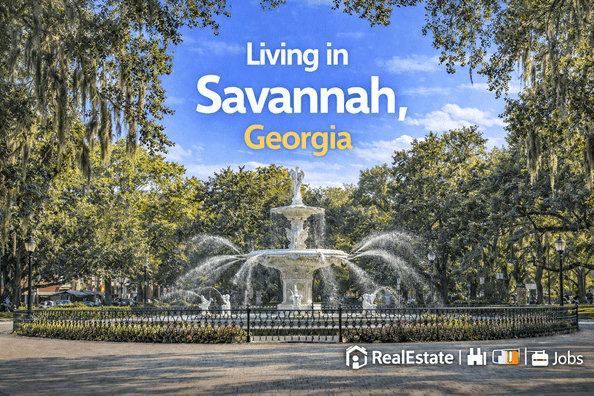
Savannah is nationally known for its historic squares, oak-lined streets, waterfront views, and strong tourism industry. Beyond tourism, the economy is supported by logistics, port operations, manufacturing, healthcare, education, and the growing film industry. Many people relocate here for its scenic beauty, artistic culture, and relatively moderate housing costs compared to larger coastal cities.
However, coastal living comes with considerations such as humidity, seasonal tourism crowds, and hurricane risk. Families, retirees, creatives, remote workers, and port-industry professionals form a large portion of the population. If you value aesthetics, slower pace, and coastal atmosphere, Savannah can be an appealing choice.
Watch a recent video by a popular vlogger to understand daily life and vibes in Savannah.
Information in this guide is compiled from publicly available data, official city resources, economic reports, and local housing databases to ensure accuracy and reliability.
Last updated: January 2026
🌴 What Makes Savannah So Popular?
Savannah stands out for its preserved historic district, coastal access, thriving art scene, strong tourism economy, and port activity. It consistently ranks among the most beautiful small cities in the United States.
👉 If you haven’t come across this city before, the map below gives you a quick view of its location.
🏘 Best Neighborhoods in Savannah
Neighborhood choice affects safety, cost, and lifestyle.
Popular areas include:
-
Historic District – Walkable, iconic architecture, higher rent.
-
Ardsley Park – Family-friendly, tree-lined streets.
-
Midtown – Balanced affordability and convenience.
-
Isle of Hope – Coastal feel with suburban comfort.
-
Pooler (nearby suburb) – Growing residential community.
Read our detailed guide on Best Neighborhoods in Savannah.
🏠 Housing & Rent in Savannah
Housing is moderately priced compared to national coastal cities.
Average Rent (2026 Estimates):
-
Studio: $1,100–$1,400
-
1 Bedroom: $1,300–$1,700
-
2 Bedroom: $1,700–$2,300
-
Family Home: $2,300–$3,500
Median home prices range between $320,000–$380,000 depending on location.
Rental demand increases during tourism seasons and among students attending local colleges.
“Rental figures are based on aggregated listing data and recent market trends.”
Explore our complete housing breakdown for Savannah.
💼 Job Market & Business Opportunities
Savannah’s economy is influenced by port operations and tourism.
Major industries:
-
Logistics & shipping
-
Tourism & hospitality
-
Manufacturing
-
Healthcare
-
Education & creative arts
Major employers include Gulfstream Aerospace, Memorial Health, and the Georgia Ports Authority.
Average salary ranges:
-
Entry-level: $40,000–$55,000
-
Mid-level: $60,000–$85,000
-
Aerospace roles: $80,000+
The creative and film industries are gradually expanding.
📺 What It’s Really Like Living in Savannah
Daily life in Savannah feels slower and more scenic compared to Atlanta. Residents enjoy walking through historic squares, dining at waterfront restaurants, and participating in art festivals and cultural events.
Tourism can increase traffic and crowd levels in the historic district, especially during peak seasons. However, many neighborhoods maintain a quiet residential feel.
Savannah offers a blend of coastal relaxation and cultural vibrancy. Community life is active, and the artistic influence from Savannah College of Art and Design contributes to creativity across the city.
💰 Cost of Living in Savannah
Savannah’s cost of living is close to the national average.
Cost estimates are derived from official statistics and city-level cost databases.
Monthly Cost Overview:
-
Rent: ~$1,500 average for 1BR
-
Utilities: $150–$250
-
Groceries: Near national average
-
Transportation: Moderate
-
Healthcare: Slightly below national average
-
Childcare: $900–$1,300
A comfortable salary for Living in Savannah, Georgia is about $60,000+ for individuals and $95,000+ for families.
Compared to Atlanta, living costs in Savannah are generally lower in housing but similar in groceries and utilities.
See full salary breakdown in our Savannah Salary Guide.
🚗 Transportation & Traffic
Savannah is moderately car-dependent, though the historic district is walkable.
Average commute time: 20–25 minutes.
Public transit is limited but available through local bus systems.
🌤 Weather & Environment
Savannah has a humid subtropical climate.
-
Hot, humid summers
-
Mild winters
-
Frequent rain
-
Hurricane season risk
Coastal humidity is noticeable during summer months.
🏨 Popular Hotels, Cafes & Restaurants
Savannah has a strong hospitality scene.
Popular Hotels:
-
The Marshall House
-
JW Marriott Savannah Plant Riverside
-
Perry Lane Hotel
Cafes & Cultural Spots:
-
River Street
-
Forsyth Park
-
City Market
Restaurants:
-
Southern cuisine
-
Seafood restaurants
-
Farm-to-table dining
🗺 Sightseeing & Tourist Attractions
Major attractions include:
-
Forsyth Park
-
River Street
-
Savannah Historic District
-
Bonaventure Cemetery
Tourism is a key economic driver.
🎒 Hostels & Budget Stay Options
Budget options include:
-
Historic inns
-
Boutique motels
-
Short-term rentals
Hostels are limited but affordable lodging exists outside peak seasons.
📊 Quick Snapshot of Living in Savannah
-
Avg 1BR Rent: ~$1,500
-
Median Salary: ~$60,000
-
Cost Index: Moderate
-
Commute: 20–25 mins
-
Climate: Humid subtropical
-
Lifestyle: Coastal & historic
🎓 Education & Universities
Savannah is home to Savannah College of Art and Design (SCAD), which strongly influences the city’s creative identity. Public school quality varies by neighborhood.
Higher education contributes significantly to local culture and economy.
👍 Pros and Cons of Living in Savannah
Pros:
• Historic beauty
• Coastal access
• Strong tourism economy
• Growing aerospace sector
• Walkable historic district
• Cultural vibrancy
• Moderate housing costs
Cons:
• High humidity
• Hurricane risk
• Seasonal tourist crowds
• Limited public transit
• Fewer corporate headquarters
• Lower average salaries
Savannah suits creatives, retirees, and coastal lifestyle seekers 😊
🏡 Is Savannah a Good Place to Live in 2026?
Living in Savannah, Georgia offers a unique coastal lifestyle combined with historic charm and cultural depth. The city’s economy remains steady through port activity, tourism, and aerospace manufacturing.
While weather and tourism crowds require adjustment, Savannah’s beauty and moderate housing costs make it attractive to many relocating families and retirees.
For individuals seeking character, coastal living, and slower pace without major metro pressure, Savannah remains one of Georgia’s most distinctive cities 😊
FAQs
Is Savannah, Georgia expensive?
Savannah’s cost of living is close to the national average and generally more affordable than larger coastal cities. Housing prices are lower than in Atlanta, but higher in the Historic District. Utilities and groceries remain moderate compared to other U.S. coastal areas.
What salary do you need to live comfortably in Savannah?
A single adult typically needs around $60,000 annually for comfortable living. Families may require $90,000–$100,000 depending on housing choice, childcare needs, and lifestyle preferences.
Is Savannah a safe place to live?
Safety varies by neighborhood. Areas like Ardsley Park, Isle of Hope, and parts of Midtown are generally considered safer. The Historic District experiences higher activity due to tourism but also has strong police presence.
Is Savannah family-friendly?
Yes, Savannah offers parks, coastal access, and suburban neighborhoods suitable for families. Nearby communities like Pooler and Isle of Hope are especially popular with families due to schools and residential atmosphere.
What is the biggest expense in Savannah?
Housing is usually the largest expense. While not as high as major metro cities, rental prices in the Historic District and waterfront areas can be elevated compared to outer neighborhoods.
Can you live in Savannah without a car?
It is possible in the Historic District because it is walkable. However, most residents outside central areas rely on cars for commuting and daily errands.
What are the best neighborhoods in Savannah?
Popular neighborhoods include the Historic District, Ardsley Park, Midtown, Isle of Hope, and Pooler. Each offers different pricing and lifestyle options.
Is Savannah better than Atlanta?
Savannah offers coastal charm, slower pace, and moderate housing costs. Atlanta provides broader job diversity, higher salaries, and more urban amenities. The better choice depends on career goals and lifestyle preferences.
🔗 Explore More Cities in Georgia
If you’re exploring more options beyond Savannah , The Urban Living Guide has covered several other popular cities in Georgia. You can also check:
These guides give you a complete picture of what it’s like living across different cities, covering everything from cost of living, housing, and job opportunities to neighborhoods, commute, weather, education, popular places, and major employers.
The Urban Living Guide brings together these local insights in one place, helping you compare cities easily and make a confident, well-informed decision based on your lifestyle and goals.