
Introduction
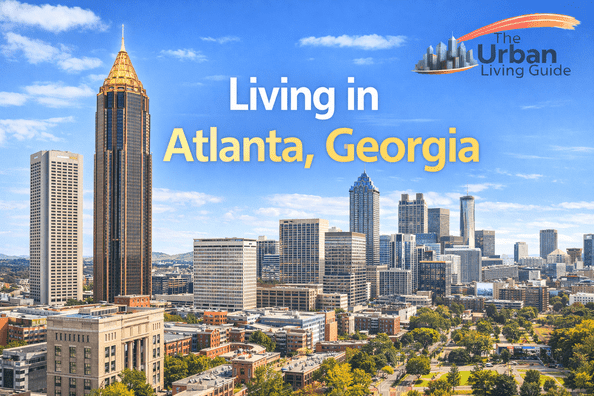
Living in Atlanta, Georgia means experiencing one of the fastest-growing metropolitan economies in the southeastern United States. As the capital of Georgia, Atlanta has a city population of over 500,000 and a metro population exceeding 6 million. It serves as a major transportation, business, and cultural hub for the entire region.
Atlanta’s economy is driven by finance, technology, film production, logistics, healthcare, and corporate headquarters. The city hosts numerous Fortune 500 companies and is home to one of the busiest airports in the world. Many people relocate here for career growth, relatively moderate housing costs compared to other large U.S. metros, and a vibrant urban culture.
However, rapid growth has increased housing prices and traffic congestion. Young professionals, families, entrepreneurs, and remote workers frequently move to Atlanta. If you seek strong career opportunities combined with Southern culture and big-city amenities, Atlanta can be a compelling choice.
Watch a recent video by a popular vlogger to understand daily life and vibes in Atlanta.
Information in this guide is compiled from publicly available data, official city resources, economic reports, and local housing databases to ensure accuracy and reliability.
Last updated: January 2026
🌴 What Makes Atlanta So Popular?
Atlanta stands out for its diverse job market, major airport connectivity, booming film industry, cultural influence, and relatively lower cost of living compared to cities like New York or Los Angeles. It balances business growth with entertainment and Southern hospitality.
👉 If you’re unfamiliar with the region, the map below helps you visualize the city’s location and surroundings.
🏘 Best Neighborhoods in Atlanta
Neighborhood choice significantly affects cost and lifestyle.
Popular areas include:
-
Midtown – Urban living, walkable, young professionals.
-
Buckhead – Upscale shopping and luxury housing.
-
Virginia-Highland – Historic charm and vibrant dining scene.
-
Decatur – Family-friendly suburb with strong schools.
-
West Midtown – Growing tech and creative hub.
Read our detailed guide on Best Neighborhoods in Atlanta.
🏠 Housing & Rent in Atlanta
Housing remains the largest expense but is competitive compared to other major U.S. cities.
Average Rent (2026 Estimates):
-
Studio: $1,300–$1,600
-
1 Bedroom: $1,500–$1,900
-
2 Bedroom: $2,000–$2,600
-
Family Home: $2,800–$4,000
Median home prices range between $400,000–$450,000 depending on location.
Rental competition is strongest in Midtown and Buckhead. Suburbs provide better value.
“Rental figures are based on aggregated listing data and recent market trends.”
Explore our complete housing breakdown for Atlanta.
💼 Job Market & Business Opportunities
Atlanta’s job market is one of the strongest in the Southeast.
Major industries:
-
Finance & banking
-
Technology
-
Film & media production
-
Logistics & transportation
-
Healthcare
Major employers include The Coca-Cola Company, Delta Air Lines, and Home Depot.
Average salary ranges:
-
Entry-level: $50,000–$65,000
-
Mid-level: $70,000–$110,000
-
Tech & finance roles: $90,000+
Atlanta also supports startup growth and entrepreneurship.
📺 What It’s Really Like Living in Atlanta
Daily life in Atlanta blends fast-paced urban energy with Southern culture. Commutes can be long due to traffic, but the city offers vibrant dining, nightlife, and entertainment districts.
Weekends often involve festivals, sports events, parks, or cultural attractions. The city is diverse and socially dynamic. Midtown and Downtown offer walkability, while suburbs provide quieter environments.
Traffic remains one of the main challenges. However, economic opportunity and cultural richness make up for it for many residents.
💰 Cost of Living in Atlanta
Atlanta’s cost of living is slightly above the national average but lower than many coastal cities.
Cost estimates are derived from official statistics and city-level cost databases.
Monthly Cost Overview:
-
Rent: ~$1,700 average for 1BR
-
Utilities: $150–$250
-
Groceries: Close to national average
-
Transportation: Higher due to car dependency
-
Healthcare: Near national average
-
Childcare: $1,100–$1,600
A comfortable salary for Living in Atlanta, Georgia is about $75,000+ for individuals and $120,000+ for families.
Compared to Charlotte, living costs in Atlanta are generally higher in housing, while similar in utilities and groceries.
See full salary breakdown in our Atlanta Salary Guide.
🚗 Transportation & Traffic
Atlanta is largely car-dependent.
Average commute time: 30–35 minutes.
MARTA provides public transit, but coverage is limited compared to northern metro cities. Hartsfield-Jackson Atlanta International Airport offers exceptional global connectivity.
🌤 Weather & Environment
Atlanta has a humid subtropical climate.
-
Hot, humid summers
-
Mild winters
-
Spring storms
-
Occasional severe weather
Green spaces and tree coverage give the city a “City in a Forest” identity.
🏨 Popular Hotels, Cafes & Restaurants
Atlanta has a strong hospitality scene.
Popular Hotels:
-
The St. Regis Atlanta
-
Four Seasons Atlanta
-
The Georgian Terrace
Cafes & Cultural Spots:
-
Ponce City Market
-
BeltLine Eastside Trail
Restaurants:
-
Southern cuisine staples
-
International fine dining
-
Growing food truck scene
🗺 Sightseeing & Tourist Attractions
Major attractions include:
-
Georgia Aquarium
-
World of Coca-Cola
-
Atlanta Botanical Garden
-
Piedmont Park
The city also plays a central role in the U.S. film industry.
🎒 Hostels & Budget Stay Options
Budget options include:
-
Midtown hostels
-
Airport-area motels
-
Shared housing
Affordable stays are available but demand increases during major events.
📊 Quick Snapshot of Living in Atlanta
-
Avg 1BR Rent: ~$1,700
-
Median Salary: ~$75,000
-
Cost Index: Moderate
-
Commute: 30–35 mins
-
Climate: Humid subtropical
-
Lifestyle: Urban & business-driven
🎓 Education & Universities
Atlanta hosts major institutions like Georgia Institute of Technology and Emory University.
Public schools vary by district, with suburbs typically rated higher.
👍 Pros and Cons of Living in Atlanta
Pros:
• Strong job market
• Major airport access
• Cultural diversity
• Growing tech and film sectors
• Lower cost than coastal cities
• Vibrant nightlife
• Business-friendly environment
Cons:
• Traffic congestion
• Humid summers
• Urban sprawl
• Rising housing costs
• Public transit limitations
• Occasional severe storms
Atlanta suits career-driven professionals and families seeking opportunity 😊
🏡 Is Atlanta a Good Place to Live in 2026?
Living in Atlanta, Georgia offers strong economic opportunity in a growing metropolitan environment. The city’s diverse industries and business ecosystem make it attractive for professionals across sectors.
While traffic and heat can be drawbacks, Atlanta’s cultural energy, job diversity, and relative affordability compared to coastal cities make it a compelling choice.
For individuals and families planning strategically, Atlanta remains one of the Southeast’s strongest relocation destinations 😊
FAQs
Is Atlanta expensive?
It is moderately priced compared to other major U.S. cities but above the national average.
What salary do you need in Atlanta?
Around $75,000 annually for individuals and $120,000 for families.
Is Atlanta safe?
Safety varies by neighborhood. Suburban areas tend to be safer.
Is it family-friendly?
Yes, especially in suburbs like Decatur and Alpharetta.
What is the biggest expense?
Housing is typically the largest cost.
Can you live without a car?
Possible in Midtown/Downtown but difficult elsewhere.
Best neighborhoods?
Midtown, Buckhead, Virginia-Highland, and Decatur.
Is Atlanta better than Charlotte?
Atlanta offers larger job diversity; Charlotte has less traffic and smaller scale.
🔗 Explore More Cities in Georgia
If you’re exploring more options beyond Atlanta, The Urban Living Guide has covered several other popular cities in Georgia. You can also check:
These guides give you a complete picture of what it’s like living across different cities, covering everything from cost of living, housing, and job opportunities to neighborhoods, commute, weather, education, popular places, and major employers.
The Urban Living Guide brings together these local insights in one place, helping you compare cities easily and make a confident, well-informed decision based on your lifestyle and goals.