
Introduction
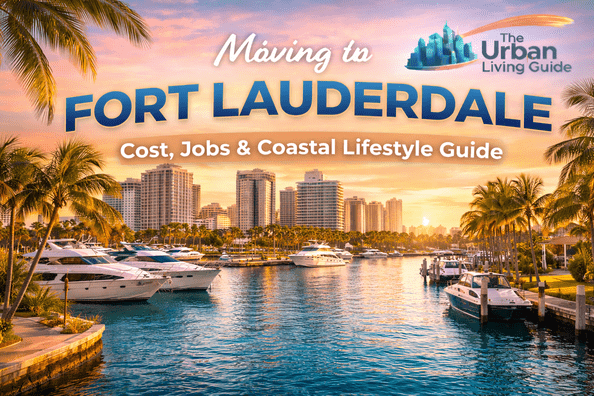
Living in Fort Lauderdale, Florida offers a unique mix of beach lifestyle, boating culture, and growing business opportunities. Fort Lauderdale is often called the “Yachting Capital of the World” due to its extensive canal system and marina presence. Located just north of Miami, the city provides coastal luxury with slightly less congestion than South Florida’s largest metro hub.
At the same time, Living in Fort Lauderdale, Florida requires financial awareness. While Florida has no state income tax, housing costs, insurance premiums, and hurricane exposure influence overall affordability. This guide explores housing prices, major employers, neighborhoods, cost of living, sports culture, and long-term financial considerations before relocating.
👉 If you haven’t explored this area before, the map below will give you a better sense of its location.
Data is based on publicly available housing reports, economic publications, and official municipal sources.
What Makes Fort Lauderdale So Popular?
Fort Lauderdale combines coastal beauty with growing urban development.
Reasons people relocate:
• Atlantic Ocean beaches
• Boating and marina culture
• No state income tax
• Growing finance and marine industries
• Proximity to Miami
• Upscale waterfront living
The city balances relaxed beach energy with professional growth 🌊
📺 What It’s Really Like Living in Fort Lauderdale
Fort Lauderdale feels more laid-back than Miami but still vibrant. Waterfront dining, boating weekends, and beach access shape daily life.
Watch a recent video by a popular vlogger to get a real sense of everyday living here.
Weekend activities often include:
• Las Olas Boulevard dining
• Boating through the Intracoastal Waterway
• Beachfront jogging paths
• Visiting nearby Miami for nightlife
The atmosphere is coastal, upscale, and lifestyle-focused.
Major Employers & Economic Drivers
Fort Lauderdale’s economy is driven by tourism, marine industries, aviation, and finance.
Major employers include:
• AutoNation – Headquarters
• Spirit Airlines – Headquarters
• Broward Health
• Nova Southeastern University
Marine and yacht services also play a major role in the local economy.
For official insights, refer to the City of Fort Lauderdale.
🏠 Housing & Rent in Fort Lauderdale
Housing costs are higher than Jacksonville but slightly below prime Miami districts.
Average monthly rent ranges:
• Studio: $1,900–$2,300
• 1-bedroom: $2,200–$3,000
• 2-bedroom: $2,800–$4,200
Waterfront properties command premium pricing. Insurance and HOA fees increase ownership costs.
Rental data reflects aggregated listing trends and regional housing reports.
Best Neighborhoods in Fort Lauderdale
Neighborhood selection significantly impacts pricing and lifestyle.
Las Olas Isles
• Luxury waterfront homes
• High property values
• Boating access
Victoria Park
• Walkable
• Close to downtown
• Mix of condos and homes
Coral Ridge
• Family-friendly
• Near beaches
• Upscale atmosphere
Flagler Village
• Arts district
• Young professionals
• Modern apartments
Plantation (Nearby)
• Suburban option
• More affordable
• Family-oriented
Each area varies widely in pricing and amenities.
💼 Job Market & Salary Expectations
Fort Lauderdale’s job market is service-driven but growing in finance and marine sectors.
Main sectors:
• Tourism & Hospitality
• Marine & Yacht Services
• Aviation
• Healthcare
• Financial Services
Average salary ranges:
• Entry-level roles: $45,000–$65,000
• Mid-level professionals: $70,000–$110,000
• Senior roles: $140,000+
Higher housing costs require careful income planning.
💰 Cost of Living in Fort Lauderdale
The cost of living is above the national average and slightly below central Miami.
Typical monthly expenses:
• Rent: $2,200–$3,500
• Utilities: $150–$300
• Groceries: $400–$650
• Transportation: $120–$250
• Insurance: Higher due to coastal exposure
To live comfortably while Living in Fort Lauderdale, Florida, individuals often need $90,000–$120,000 annually.
🚗 Transportation & Connectivity
Fort Lauderdale offers better walkability than many Florida cities but still remains partially car-dependent.
Transportation overview:
• Brightline train access
• Bus services
• Moderate traffic
• Served by Fort Lauderdale-Hollywood International Airport
Proximity to Miami expands employment options.
🌤 Weather & Environment
Fort Lauderdale has a tropical rainforest climate.
Climate characteristics:
• Hot, humid summers
• Warm winters
• Hurricane season exposure
• High humidity year-round
Storm preparedness and insurance planning are critical 🌊
🎓 Education & Universities
Major institutions include:
• Nova Southeastern University
• Broward College
School ratings vary by district.
👍 Pros and Cons of Living in Fort Lauderdale
Pros:
• Beachfront lifestyle
• No state income tax
• Boating culture
• Growing finance presence
• Proximity to Miami
Cons:
• High housing costs
• Hurricane risk
• Insurance premiums
• Humidity
• Rising property values
Fort Lauderdale suits professionals seeking coastal luxury with slightly less intensity than Miami 😊
🏡 Is Fort Lauderdale a Good Place to Live?
For professionals in finance, aviation, tourism, or marine industries, Living in Fort Lauderdale, Florida offers strong lifestyle appeal and economic opportunity. The city provides beach access, boating culture, and proximity to Miami without the same level of congestion.
However, housing and insurance costs require careful budgeting. Overall, Fort Lauderdale stands out as one of Florida’s most lifestyle-driven coastal cities.
FAQs
Is Fort Lauderdale more expensive than Miami?
Fort Lauderdale is generally slightly less expensive than prime Miami neighborhoods, but waterfront housing and insurance costs remain high compared to national averages.
What salary do you need to live comfortably in Fort Lauderdale?
Most individuals need between $90,000 and $120,000 annually for comfortable living, especially if renting near the beach or waterfront areas.
Is Fort Lauderdale family-friendly?
Yes. Suburban areas like Plantation and Coral Ridge are popular with families due to quieter residential streets and access to schools.
Can you live without a car in Fort Lauderdale?
Living without a car is possible in central neighborhoods such as Victoria Park or Las Olas, but many residents still rely on vehicles for convenience.
Is Fort Lauderdale safer than Miami?
Safety varies by neighborhood in both cities. Fort Lauderdale generally experiences less nightlife-related congestion but still requires neighborhood research before relocating.
Is Fort Lauderdale good for retirees?
Yes. The warm climate, beach access, and boating lifestyle make it attractive for retirees seeking coastal living.
🔗 Explore More Cities in Florida
If you’re exploring more options beyond Fort Lauderdale, The Urban Living Guide has covered several other popular cities in Florida. You can also check:
These guides give you a complete picture of what it’s like living across different cities, covering everything from cost of living, housing, and job opportunities to neighborhoods, commute, weather, education, popular places, and major employers.
The Urban Living Guide brings together these local insights in one place, helping you compare cities easily and make a confident, well-informed decision based on your lifestyle and goals.