

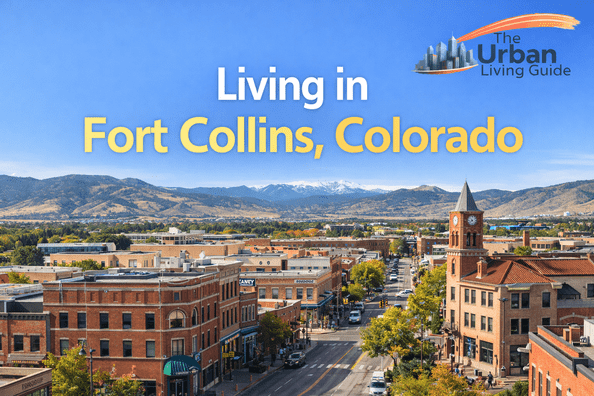
Living in Fort Collins, Colorado in 2026: The Complete Local Guide to CSU Energy, Craft Brewery Culture, and Front Range Outdoor Living
Nestled against the dramatic foothills of the Rocky Mountains in Larimer County, living in Fort Collins, Colorado offers an exceptional blend of vibrant college-town energy, entrepreneurial spirit, and pristine wilderness access. Situated roughly 65 miles north of Denver near the Wyoming border, this thriving community of approximately 170,000 residents functions as the cultural and economic heartbeat of Northern Colorado.
Anchored by the massive presence of Colorado State University, the city successfully combines cutting-edge research and innovation with a legendary craft brewing scene and more than 280 miles of dedicated bike trails. Whether you are strolling the historic brick storefronts of Old Town—which famously inspired Disneyland’s Main Street USA—or exploring the alpine waters of Horsetooth Reservoir, Fort Collins delivers a high-quality, community-focused lifestyle that consistently ranks among the best in the nation.
Municipal governance, community programs, and public safety services are centrally coordinated through the official City of Fort Collins Government Portal.
If you’re exploring this city for the first time, use the map below to get a sense of where it sits geographically within Northern Colorado.
All quantitative metrics, economic data points, and community insights compiled within this living guide are synthesized from official municipal records, regional economic boards, and verified long-term resident feedback.
What Makes Fort Collins So Popular & Unique
Over the past few decades, Fort Collins has evolved into one of the most desirable mid-sized destinations in the American West. Key factors driving its sustained popularity include:
- Prestigious University Anchor: Home to Colorado State University (CSU), a premier research institution driving academic prestige, cultural events, and intellectual vibrancy. Explore regional education initiatives via the Colorado State University Official Portal.
- World-Class Craft Beer Capital: A nationally acclaimed brewing culture featuring pioneering legends like New Belgium Brewing and dozens of vibrant local taprooms.
- Unmatched Cycling and Trail Infrastructure: Boasting over 280 miles of paved bike trails, making it one of the most bicycle-friendly municipalities in the United States.
- Proximity to Iconic Wilderness: Immediate access to the Cache la Poudre River, Lory State Park, and the majestic peaks of Rocky Mountain National Park.
Fort Collins at a Glance: Key Living Metrics
| Evaluation Metric | Local Data Overview & Regional Reality |
|---|---|
| Population | Approx. 170,000 within municipal limits (Thriving mid-sized hub) |
| Median Monthly Rent | Ranges from $1,300 to $2,500+ depending on unit size and campus proximity |
| Average Annual Salary | Typically spans $55,000 to $95,000 across education, tech, healthcare, and brewing |
| Primary Economic Pillars | Higher education, clean technology, advanced manufacturing, brewing, and healthcare |
| State Income Tax | Flat state income tax structure set at a modest rate across Colorado |
| Average Summer High | Routinely reaches 80°F to 88°F during dry, sunny July and August afternoons |
| Primary Transit Mode | Transfort public bus system, extensive bike greenways, and personal vehicles |
Famous Personalities, Local Icons & Major Brands in Fort Collins
Fort Collins has a proud tradition of cultivating influential entertainers, world-class athletes, and pioneering commercial enterprises:
- Tim Allen: The acclaimed comedic actor and television star spent formative years in the region and attended Colorado State University.
- Amy Van Dyken: The legendary Olympic swimming champion and multi-gold medalist holds deep athletic ties to the Northern Colorado region.
- Shaquil Barrett & Trey McBride: Elite professional football standouts who honed their athletic prowess playing for the Colorado State Rams athletic program.
- New Belgium Brewing: A pioneering craft beer institution that revolutionized American brewing and established world-class visitor experiences in the city (New Belgium Brewing Portal).
Job Market & Business Opportunities with Major Employers
The employment landscape in Fort Collins offers exceptional professional stability, high average salaries, and robust career mobility across expanding sectors:
- Higher Education and Research: Colorado State University serves as the region’s largest employer, supporting thousands of academic, administrative, and scientific roles.
- Healthcare and Medical Networks: Major regional hospital systems delivering extensive clinical, nursing, and specialist care careers.
- Clean Technology and R&D: A flourishing cluster of renewable energy firms, environmental engineering companies, and technology startups.
- Craft Beverage and Manufacturing: Robust employment sectors driven by brewing operations, food production, and precision manufacturing.
Housing & Real Estate Overview in Fort Collins
Navigating the real estate market in Fort Collins requires understanding high demand, neighborhood diversity, and steady property appreciation:
- Diverse Architectural Stock: Features historic Victorian homes in Old Town, mid-century properties in Midtown, and modern single-family developments in Rigden Farm. Track property assessments via the Larimer County Assessor Portal.
- Market Valuations: Sustained migration into Northern Colorado has driven home prices upward, positioning real estate values moderately below Boulder but above national averages.
- Rental Market Inventory: Average monthly rent spans $1,300 to $1,600 for studio units, $1,600 to $1,900 for one-bedroom apartments, $2,000 to $2,500 for two-bedroom properties, and $2,700 to $3,500+ for single-family rental homes.
- Student Housing Demand: Proximity to CSU creates consistent rental turnover and investment demand in campus-adjacent neighborhoods.
Best Neighborhoods in Fort Collins: Finding Your Ideal Community
| Neighborhood Name | Vibe & Lifestyle Character | Housing & Price Profile |
|---|---|---|
| Old Town | Historic downtown core featuring walkable brick sidewalks, indie shops, breweries, and vibrant culture. | Historic Victorians, character cottages, and premium valuations. |
| Harmony Corridor | Dynamic commercial and residential hub housing major tech employers and modern residential housing. | Contemporary homes, townhouses, and active market pricing. |
| Rigden Farm | Family-friendly eastern neighborhood offering planned residential streets, community parks, and newer builds. | Modern single-family homes, multi-level properties, and stable family pricing. |
| Midtown | Centrally located residential and commercial district providing convenient access to hospitals and shopping. | Mid-century houses, renovated apartments, and accessible market entry points. |
| Timnath (Nearby) | Expanding suburban community just east of the city, offering a quiet atmosphere and master-planned layouts. | Spacious single-family houses, new developments, and suburban pricing. |
Watch a recent video by a popular vlogger to understand daily life and vibes in Fort Collins.
What It’s Really Like Living in Fort Collins (Daily Life & Vibe)
Daily existence in Fort Collins is defined by an energetic, health-conscious rhythm that seamlessly merges academic ambition with active outdoor living:
- Active Cycling & Trail Culture: Residents frequently commute by bicycle along dedicated greenways or spend weekends boating and hiking at Horsetooth Reservoir. Explore recreation guidelines via the Larimer County Natural Resources Portal.
- Brewery Social Scene: Evenings feature lively gatherings at outdoor beer gardens, farm-to-table bistros, and historic downtown plazas.
- Community Festivals: Participating in beloved local celebrations like Tour de Fat, Bohemian Nights, and seasonal downtown arts fairs.
- Social Atmosphere: Friendly, progressive, outdoor-focused, and deeply supportive of local small businesses and green initiatives.
Cost of Living in Fort Collins: Monthly Expenses & Salary Needs
The cost of living in Fort Collins sits moderately above the national average, reflecting its high quality of life and desirability, though it remains more manageable than Boulder:
- Housing Overhead: $1,600 to $2,500+ covering standard apartment and multi-family rentals across popular districts. Review regional economic data via the Bureau of Labor Statistics Mountain-Plains Information Office.
- Utilities & Power: $150 to $220 monthly for electricity, heating, water, and municipal utility services.
- Groceries & Household Goods: Slightly above the national median, supported by local farmers markets and regional organic grocers.
- Transportation Expenses: Moderate costs covering bike maintenance, vehicle fuel, and public transit passes.
- Required Household Income: Single professionals typically require an annual salary of $70,000+, while households generally need $110,000+ to comfortably cover living expenses and long-term savings goals.
Transportation, Commute Dynamics & Transit Realities
Fort Collins provides exemplary alternative transit infrastructure alongside traditional highway connectivity:
- Transfort Bus System: Comprehensive municipal public transit network offering fixed bus routes and MAX Bus Rapid Transit connecting key city corridors (Transfort Official Portal).
- Bicycle-First Infrastructure: Award-winning city planning featuring over 280 miles of bike trails, underpasses, and dedicated lanes making cycling a primary daily transit mode.
- Highway Connectivity: Immediate access to Interstate 25, connecting commuters southbound to Denver and northward toward Cheyenne.
- Commute Times: Average daily commutes are refreshingly brief, typically ranging between 20 and 25 minutes during standard hours.
Weather Patterns, Seasonal Realities & Climate Factors
The environmental rhythm of Fort Collins follows a classic semi-arid continental climate featuring four distinct seasons:
- Warm, Dry Summers: Summer daytime high temperatures routinely average 80°F to 88°F with low humidity, providing ideal conditions for outdoor recreation.
- Crisp Winters: Winter seasons bring cold temperatures and moderate snowfall, though frequent winter sunshine melts snow quickly from bike paths and streets. Track active forecasts via the National Weather Service Boulder-Denver Portal.
-
Splendid Transition Seasons: Spring and autumn deliver refreshing crisp air and gorgeous foliage across local parks and foothill trails.
Education, Schools & Major Universities
Educational excellence stands as a primary cornerstone of community pride and family relocation demand across the city:
- Colorado State University (CSU): A world-class public research university driving academic prestige, cultural events, and technological innovation (Colorado State University Official Portal).
- Poudre School District (PSD): A highly regarded regional K-12 public school district operating top-rated elementary, middle, and high school facilities (Poudre School District Official Portal).
- Front Range Community College: Providing vital technical training, associate degrees, and higher education transfer pathways.
Medical Facilities, Hospitals & Healthcare Systems
Healthcare infrastructure in Fort Collins is advanced, accessible, and anchored by elite regional medical networks:
- UCHealth Poudre Valley Hospital: A premier 240+ bed acute care regional hospital offering advanced emergency services, surgical suites, and specialized medicine (UCHealth Official Portal).
- Banner Health Clinic Network: Comprehensive outpatient care and family medicine clinics serving residential neighborhoods across the city.
- Specialized Care Access: Direct access to specialized research medical centers throughout Northern Colorado.
Popular Hotels, Cafes, Dining & Culinary Scene
The hospitality and culinary identity of Fort Collins reflects historic downtown elegance, craft beverage mastery, and farm-to-table innovation:
- The Elizabeth Hotel: Sophisticated luxury boutique hotel situated in Old Town, celebrating musical heritage with refined accommodations and rooftop lounge dining (The Elizabeth Hotel Portal).
- The Armstrong Hotel: Historic boutique hotel offering charming vintage character and central walkability in the heart of downtown.
- Culinary and Village Hubs: Bustling gathering spots like Old Town Square and the Jessup Farm Artisan Village serving local culinary arts and artisanal roasts.
Sightseeing, Cultural Spots & Tourist Attractions
Landmark cultural institutions and natural wonders significantly enhance the daily quality of life for local residents:
- Horsetooth Reservoir: Stunning 6.5-mile-long mountain reservoir offering premier boating, cliff hiking, fishing, and paddleboarding (Horsetooth Reservoir Portal).
- The Gardens on Spring Creek: Beautiful 12-acre botanical garden featuring diverse regional plant collections, butterfly houses, and educational programs (The Gardens on Spring Creek Portal).
- Cache la Poudre River: Colorado’s only designated National Wild and Scenic River, offering world-class whitewater rafting and fly fishing.
Regional Trade-offs: Pros and Cons of Living in Fort Collins
Pros of Living in Fort Collins
- Strong Community Feel: A welcoming, civic-minded atmosphere with active neighborhood engagement.
- Affordable Housing vs. Boulder: Favorable real estate purchase prices and rental overhead compared to neighboring Boulder.
- Bike-Friendly Infrastructure: Over 280 miles of trails making cycling a safe and practical daily transit option.
- University-Driven Economy: Stable employment opportunities and cultural enrichment driven by Colorado State University.
- Outdoor Recreation Access: Immediate proximity to Horsetooth Reservoir, Poudre Canyon, and Rocky Mountain National Park.
Cons of Living in Fort Collins
- Rising Home Prices: Ongoing population growth creating housing market competition and climbing property valuations.
- Limited Big-City Job Diversity: Fewer corporate tech headquarters or heavy finance sectors compared to major state capitals.
- Smaller Airport Access: Commercial air travel typically requires driving south to Denver International Airport for major flights.
- Winter Snow Accumulation: Cold temperatures and seasonal snowfall requiring winter property and vehicle upkeep.
- Campus Rental Competition: High leasing demand and turnover in neighborhoods surrounding CSU during academic terms.
Who Is Fort Collins Ideal For — And Who Should Avoid It?
Who Fort Collins Is Ideal For
- Active Outdoor Enthusiasts: Residents who prioritize cycling, trail running, kayaking, and weekend mountain expeditions.
- Families Seeking Strong Schools: Parents looking for top-rated public school districts, safe parks, and community-oriented suburbs.
- University Affiliates and Students: Academics, researchers, and students connected to Colorado State University.
- Craft Beer and Food Enthusiasts: Individuals who value an acclaimed local brewing culture and independent farm-to-table dining.
Who Should Avoid Fort Collins
- Mega-City Nightlife Seekers: Residents looking for 24-hour metropolitan downtown environments, mega-clubs, and dense urban nightlife.
- Budget-Focused Homebuyers: Individuals seeking bargain real estate markets with hyper-depressed property valuations.
- Car-Free Commuters Outside Campus: People who refuse to own a personal automobile and live outside the central bike-friendly urban grid.
- Warm-Weather Enthusiasts: Individuals who despise winter snow, freezing temperatures, and seasonal temperature shifts.
Real Experiences: Perspectives from Long-Term Residents (5 to 10+ Years)
“Moving to Fort Collins twelve years ago was the best decision of my life. Being able to ride my bike everywhere on dedicated trails while living in a city with such a vibrant arts and craft beer scene is incredible. Housing prices have certainly climbed as more people discover how wonderful it is here, but the quality of life, friendly people, and mountain views make it entirely worth it.”
[Source: r/fortcollins Community Discussions — synthesized/paraphrased]
“The big reality check for newcomers is realizing that while Fort Collins is cheaper than Boulder, it’s no longer a hidden budget gem. Rent and home prices are high due to CSU students and demand. However, if you love the outdoors, have a solid career in tech or healthcare, and want a safe, beautiful community to raise children, you can’t beat it.”
[Source: Local Resident Panels & Community Forums — synthesized/paraphrased]
Frequently Asked Questions About Living in Fort Collins, Colorado
Is Fort Collins expensive to live in compared to other U.S. cities?
Yes, Fort Collins maintains a cost of living moderately above the national average, though it offers more accessible housing and real estate pricing than neighboring Boulder.
What level of annual salary do individuals need to live comfortably in Fort Collins?
Most single professionals require an annual salary of $70,000+, while families typically need $110,000+ to comfortably cover housing, utilities, transportation, and discretionary spending.
Can residents successfully live in Fort Collins without owning a personal vehicle?
Yes, especially near campus and central Old Town. The city’s extensive network of over 280 miles of bike trails and Transfort bus lines makes car-free living feasible for many residents.
What are the best residential neighborhoods to consider in Fort Collins?
Top neighborhoods include Old Town for historic walkability, Harmony Corridor for tech proximity, Rigden Farm for family living, Midtown for central convenience, and nearby Timnath for suburban growth.
How does commuting work for professionals working across Fort Collins?
Commuters primarily utilize Interstate 25 and major arterial roadways, enjoying short average commute times of around 20 to 25 minutes during standard hours.
What are the primary natural and cultural highlights of Fort Collins?
Residents enjoy boating and hiking at Horsetooth Reservoir, strolling through The Gardens on Spring Creek, exploring Old Town Square, and accessing Rocky Mountain National Park.
🔗 Explore More Cities in Colorado
If you’re considering options beyond Fort Collins, The Urban Living Guide has also explored several other well-known cities across Colorado. You may also want to check:
- Living in Denver, Colorado
- Living in Colorado Springs, Colorado
- Living in Aurora, Colorado
- Living in Boulder, Colorado
Want a better understanding of what life is like in Fort Collins? Explore:
- Cost of Living in Fort Collins, Colorado
- Pros and Cons of Living in Fort Collins, Colorado
- Best Neighborhoods in Fort Collins, Colorado
When you’re ready, see our full guide: Moving to Fort Collins, Colorado
Each of these guides highlights what daily life looks like in different cities, including insights on cost of living, housing trends, job opportunities, local neighborhoods, commute patterns, weather conditions, education options, popular areas, and major employers.
With The Urban Living Guide, all this information is organized in one place so you can easily compare cities and decide which one suits your lifestyle, budget, and future plans.