

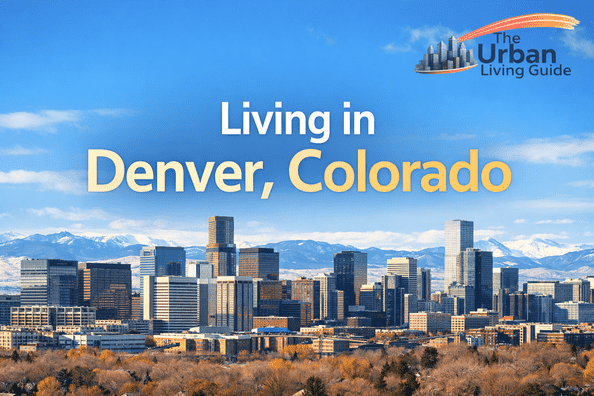
Living in Denver, Colorado in 2026: The Complete Local Guide to Mile High Altitude, Mountain Access, and Urban Opportunity
Perched precisely at an elevation of 5,280 feet against the dramatic backdrop of the Rocky Mountains, living in Denver, Colorado offers an exhilarating fusion of booming metropolitan commerce and pristine wilderness access. As the economic and cultural crown jewel of the state with a city population exceeding 700,000 residents and a sprawling metropolitan footprint topping 3 million, the Mile High City commands attention as one of the most dynamic lifestyle-forward hubs in the American West.
Whether you are drawn to the tech-driven startup scene in the RiNo Art District, the legendary live music heritage echoing through Red Rocks, or the effortless weekend escapes to world-class ski resorts, Denver delivers an active, ambitious environment. Navigating municipal services, local public programs, and city planning initiatives is streamlined through the official City and County of Denver Government Portal.
If you’re not familiar with this part of the state, the map below will help you understand the city’s exact location and surrounding transportation corridors.
All quantitative metrics, economic indicators, and neighborhood insights compiled within this living guide are synthesized from official municipal records, regional economic boards, and verified long-term resident feedback.
What Makes Denver So Popular & Unique
Over the past two decades, Denver has emerged as one of the most sought-after relocation destinations in the United States. Key factors driving its sustained popularity include:
- Unmatched Mountain Proximity: Immediate access to world-class hiking, rock climbing, and winter sports situated just a short drive up the I-70 corridor into the Rockies. Explore regional tourism initiatives via the Official Denver Tourism Portal.
- Abundant Sunshine: Boasting over 300 days of glorious sunshine annually, encouraging an exceptionally active, outdoor-centric daily routine.
- Thriving Economic Ecosystem: A diversified corporate landscape anchored by aerospace defense, telecommunications, biotechnology, and renewable energy sectors.
- Vibrant Urban Culture: A meticulously revitalized downtown core featuring historic brick warehouses converted into trendy craft breweries, restaurants, and art spaces.
Denver at a Glance: Key Living Metrics
| Evaluation Metric | Local Data Overview & Regional Reality |
|---|---|
| Population | Approx. 700,000 within city limits (Metro population exceeds 3 million) |
| Median Monthly Rent | Ranges from $1,400 to $2,800+ depending on apartment size and neighborhood pocket |
| Average Annual Salary | Typically spans $70,000 to $115,000 across technology, healthcare, and corporate sectors |
| Primary Economic Pillars | Aerospace, technology, healthcare, renewable energy, finance, and tourism |
| State Income Tax | Flat state income tax structure set at a modest rate across Colorado |
| Average Summer High | Routinely reaches 85°F to 90°F during dry, comfortable July and August afternoons |
| Primary Transit Mode | RTD light rail and bus network, extensive bike greenways, and personal vehicle transit |
Famous Personalities, Local Icons & Major Brands in Denver
Denver has a proud history of cultivating legendary athletes, influential innovators, and global corporate giants that shape western commerce:
- John Elway & Peyton Manning: Legendary NFL Hall of Fame quarterbacks who brought iconic championship glory and lasting sports prestige to the beloved Denver Broncos franchise (Denver Broncos Official Portal).
- Molson Coors Brewing Company: A massive historical beverage juggernaut maintaining major corporate and manufacturing footprints in the region.
- Lockheed Martin Space: Operating a sprawling high-tech campus that drives advanced aerospace engineering, satellite development, and defense systems.
- DaVita Inc.: A major Fortune 500 healthcare and kidney care enterprise anchored right in downtown’s commercial core.
Job Market & Business Opportunities with Major Employers
The employment landscape in Denver offers exceptional professional vitality, competitive salaries, and robust career mobility across dynamic industries:
- Aerospace and Defense: Home to top-tier defense contractors and aerospace research centers offering advanced engineering and technology careers.
- Technology and Startup Hubs: A thriving tech sector supported by venture capital, software engineering firms, and digital innovation accelerators.
- Healthcare Systems: Elite medical networks like Denver Health providing extensive clinical, research, and administrative employment opportunities (Denver Health Official Portal).
- Renewable Energy & Finance: Growing clusters dedicated to clean tech, solar innovation, and regional financial services.
Housing & Real Estate Overview in Denver
Navigating the real estate market in Denver requires understanding its intense demand, geographic expansion, and price variations across distinct districts:
- Diverse Architectural Stock: Features Victorian-era brick homes in Capitol Hill, craftsman bungalows in the Highlands, and sleek modern glass high-rises near Union Station. Track property assessments via the State of Colorado Official Portal.
- Market Valuations: Strong migration into the Front Range has kept housing demand elevated, rewarding long-term property investors while requiring careful budgeting for newcomers.
- Rental Market Inventory: Average monthly rent spans $1,400 to $1,700 for studio units, $1,700 to $2,100 for one-bedroom apartments, $2,200 to $2,800 for two-bedroom properties, and $2,800 to $3,800+ for single-family homes.
- Suburban Alternatives: Neighboring communities like Aurora and Lakewood offer slightly more accessible price points while maintaining easy commuter access.
Best Neighborhoods in Denver: Finding Your Ideal Community
| Neighborhood Name | Vibe & Lifestyle Character | Housing & Price Profile |
|---|---|---|
| Highlands | Trendy, highly walkable district featuring Victorian architecture, indie boutiques, and renowned culinary hotspots. | Converted historic homes, modern duplexes, and premium market valuations. |
| Washington Park (Wash Park) | Picturesque, family-oriented neighborhood anchored by expansive green spaces, lakes, and active recreation. | Historic craftsman homes, luxury rebuilds, and high-end pricing. |
| Cherry Creek | Upscale shopping and luxury residential enclave offering high-end retail, fine dining, and sophisticated urban living. | Luxury condos, executive townhomes, and top-tier valuations. |
| Capitol Hill | Historic, dense, and culturally vibrant urban hub popular with young professionals seeking central access. | Mid-century apartment buildings, historic brownstones, and budget-friendly rentals. |
| Central Park (Stapleton) | Master-planned community featuring modern suburban-style housing, community pools, schools, and parks. | Contemporary single-family homes, townhouses, and family-oriented pricing. |
What It’s Really Like Living in Denver (Daily Life & Vibe)
Watch a recent video by a popular vlogger to understand daily life and vibes in Denver.
Daily life in Denver is defined by a balanced, health-conscious rhythm that seamlessly blends professional ambition with outdoor adventure:
- Active Weekend Routines: Residents spend weekends hitting mountain hiking trails, skiing legendary powdery slopes, or cycling along the extensive Cherry Creek bike path network.
- Craft Brewery Culture: Evenings feature relaxed gatherings at neighborhood taprooms, farm-to-table eateries, and vibrant community plazas.
- Cultural Exploration: Enjoying world-class performances at local music venues, visiting museums, or attending neighborhood farmers markets.
- Social Atmosphere: Active, welcoming, environmentally conscious, and deeply appreciative of work-life balance.
Cost of Living in Denver: Monthly Expenses & Salary Needs
The cost of living in Denver sits noticeably above the national average, driven primarily by competitive housing demand:
- Housing Overhead: $1,700 to $2,800+ covering typical apartment rentals across popular urban neighborhoods. Review regional economic data via the Bureau of Labor Statistics Mountain-Plains Information Office.
- Utilities & Power: $150 to $220 monthly for electricity, heating, water, and municipal services.
- Groceries & Household Goods: $400 to $600 depending on shopping preferences between local organic markets and major supermarkets.
- Transportation Costs: $120 to $250 covering regional transit passes and vehicle maintenance.
- Required Household Income: Single professionals typically require an annual salary of $75,000+, while households generally need $120,000+ to comfortably cover local living expenses without financial strain.
Transportation, Commute Dynamics & Transit Realities
Denver provides a robust multi-modal transportation infrastructure connecting residents across the metropolitan area:
- RTD Light Rail & Bus Network: Comprehensive public transit system operated by the Regional Transportation District, offering reliable commuter routes across Denver and surrounding suburbs (RTD Denver Official Portal).
- Highway Connectivity: Excellent freeway access via Interstate 25 and Interstate 70, though peak rush hours experience notable commuter congestion.
- Bike-Friendly Grid: Extensive dedicated bike lanes and multi-use greenways making cycling a practical daily transit alternative.
- Global Aviation Gateway: Immediate proximity to Denver International Airport (DEN), offering extensive domestic and international flight connections (Denver International Airport Portal).
Weather Patterns, Seasonal Realities & Climate Factors
The environmental rhythm of Denver follows a semi-arid continental climate featuring four distinct, highly enjoyable seasons:
- Warm, Dry Summers: Summer daytime high temperatures routinely average 85°F to 90°F with low humidity, making evening outdoor dining exceptionally pleasant.
- Sunny Winters: Winter seasons bring crisp, cold temperatures and snowstorms, yet clear blue skies and bright sunshine often melt snow rapidly from city streets. Track active forecasts via the National Weather Service Boulder-Denver Portal.
-
Splendid Transition Seasons: Spring and autumn deliver refreshing crisp air, variable weather, and gorgeous seasonal foliage across mountain foothills.
Education, Schools & Major Universities
Educational infrastructure stands as a vital pillar of community growth, academic research, and intellectual development:
- University of Denver (DU): A prestigious private research university offering comprehensive undergraduate and graduate degree programs in a historic campus setting (University of Denver Official Portal).
- University of Colorado System: Proximity to acclaimed campuses including CU Anschutz Medical Campus and CU Denver, driving medical innovation and higher education.
- Public School Districts: Comprehensive K-12 public school options across Denver Public Schools, alongside highly rated suburban school districts.
- Community Continuing Education: Robust vocational and professional training programs supporting workforce development.
Medical Facilities, Hospitals & Healthcare Systems
Healthcare infrastructure in Denver is advanced, highly specialized, and anchored by premier regional medical networks:
- Denver Health: A nationally recognized premier safety-net hospital and integrated health system providing advanced trauma care, emergency medicine, and community health services (Denver Health Official Portal).
- UCHealth University of Colorado Hospital: World-class academic medical center located on the Anschutz Medical Campus, delivering specialized surgical suites and advanced clinical research.
- Children’s Hospital Colorado: Nationally ranked pediatric healthcare institution providing exceptional specialized care for families across the Rocky Mountain region.
Popular Hotels, Cafes, Dining & Culinary Scene
The hospitality and culinary identity of Denver reflects historic western grandeur, craft beverage innovation, and urban culinary excellence:
- The Brown Palace Hotel and Spa: Legendary historic luxury hotel operating since 1892, celebrated for its breathtaking Italian Renaissance atrium and refined afternoon tea (The Brown Palace Official Portal).
- Halcyon Hotel Cherry Creek: Sophisticated boutique hotel offering modern luxury accommodations and vibrant neighborhood walkability (Halcyon Hotel Cherry Creek Portal).
- Dynamic Dining Districts: Acclaimed culinary establishments like Guard and Grace and Root Down serving exceptional farm-to-table cuisine across LoDo and RiNo.
Sightseeing, Cultural Spots & Tourist Attractions
Landmark cultural institutions and natural wonders significantly enhance the daily quality of life for local residents:
- Red Rocks Park and Amphitheatre: World-famous geological rock formation and open-air concert venue offering breathtaking live music experiences and daily hiking trails (Red Rocks Amphitheatre Portal).
- Denver Art Museum (DAM): Architectural masterpiece housing an extensive collection of indigenous, Western, and contemporary global art (Denver Art Museum Portal).
- Denver Botanic Gardens: Sprawling 24-acre oasis featuring diverse botanical exhibits, tropical conservatories, and outdoor art installations (Denver Botanic Gardens Portal).
Regional Trade-offs: Pros and Cons of Living in Denver
Pros of Living in Denver
- Booming Job Market: Strong, resilient employment opportunities across aerospace, technology, healthcare, and renewable energy sectors.
- Unmatched Outdoor Access: Immediate proximity to world-class skiing, hiking trails, and mountain recreation in the Rocky Mountains.
- Abundant Sunshine: Over 300 days of sunshine annually, supporting an active, health-conscious outdoor lifestyle.
- Thriving Cultural Scene: Acclaimed craft breweries, live music venues, art museums, and professional sports franchises.
- Long-Term Property Value: Strong real estate appreciation potential driven by steady regional population growth.
Cons of Living in Denver
- High Housing Costs: Steep home purchase prices and rental rates driven by intense migration and competitive demand.
- Commuter Traffic Congestion: Heavy vehicular traffic during peak morning and evening hours along Interstate 25 and Interstate 70.
- Winter Weather Challenges: Sudden snowstorms and freezing temperatures requiring winter driving preparedness and ongoing property upkeep.
- Wildfire Smoke Impact: Seasonal wildfire smoke from western states occasionally impacting summer and fall air quality.
- Rising Cost of Living: Above-average everyday expenses, utilities, and childcare costs across the metropolitan area.
Who Is Denver Ideal For — And Who Should Avoid It?
Who Denver Is Ideal For
- Active Outdoor Enthusiasts: Individuals who prioritize skiing, hiking, cycling, and weekend mountain getaways.
- Career-Driven Professionals: Workers seeking dynamic employment growth in tech, aerospace, renewable energy, and healthcare fields.
- Young Professionals and Couples: Adults drawn to vibrant craft brewery culture, live music, and walkable urban neighborhoods like the Highlands and RiNo.
- Active Families: Households seeking excellent parks, community green spaces, and family-oriented suburbs with strong quality-of-life metrics.
Who Should Avoid Denver
- Budget-Conscious Renters: Individuals seeking low-cost housing or bargain real estate markets on modest financial budgets.
- Car-Free Urbanites: People who refuse to own a car and require extensive 24-hour heavy rail rapid transit systems.
- High Humidity Seekers: Residents who prefer tropical or coastal humid climates over a dry, high-altitude semi-arid environment.
- Those Intolerant of Traffic: Drivers who despise rush-hour highway congestion and competitive street parking in dense urban districts.
Real Experiences: Perspectives from Long-Term Residents (5 to 10+ Years)
“Moving to Denver eight years ago completely transformed my lifestyle. Being able to finish work on a Friday and be up in the Rocky Mountains hiking or skiing within an hour is an absolute game-changer. Housing costs are definitely steep, and traffic on I-70 can test your patience on weekends, but the sunshine, career opportunities, and active community make it impossible to imagine living anywhere else.”
[Source: r/denver Community Discussions — synthesized/paraphrased]
“The big reality check for newcomers is learning to budget for the high cost of housing and adjusting to the mile-high altitude. However, the trade-off is completely worth it. Neighborhoods like Wash Park and the Highlands offer incredible walkability, the food and beer scene is world-class, and the general energy of the city is remarkably positive and forward-looking.”
[Source: Local Resident Panels & Community Forums — synthesized/paraphrased]
Frequently Asked Questions About Living in Denver, Colorado
Is Denver expensive to live in compared to other U.S. cities?
Yes, Denver maintains a cost of living above the national average, driven primarily by competitive housing and real estate demand across the metropolitan area.
What level of annual salary do individuals need to live comfortably in Denver?
Most single professionals require an annual salary of $75,000+, while households typically need $120,000+ to comfortably cover housing, utilities, transportation, and discretionary spending.
Can residents successfully live in Denver without owning a personal vehicle?
While central neighborhoods like Capitol Hill and LoDo offer walkable amenities and RTD light rail access, most residents prefer owning a car to fully explore mountain recreation and outer suburbs.
What are the best residential neighborhoods to consider in Denver?
Top neighborhoods include the Highlands for trendy dining, Washington Park for green spaces, Cherry Creek for upscale shopping, Capitol Hill for central affordability, and Central Park for families.
How does commuting work for professionals working across Denver?
Commuters primarily utilize Interstate 25 and Interstate 70, supplemented by RTD light rail lines, experiencing average commute times of around 25 to 30 minutes during standard hours.
What are the primary natural and cultural highlights of Denver?
Residents enjoy legendary concerts at Red Rocks Amphitheatre, world-class art at the Denver Art Museum, botanical exhibits at the Denver Botanic Gardens, and effortless access to Rocky Mountain National Park.
🔗 Explore More Cities in Colorado
If you’re considering options beyond Denver, The Urban Living Guide has also explored several other well-known cities across Colorado. You may also want to check:
- Living in Colorado Springs, Colorado
- Living in Aurora, Colorado
- Living in Fort Collins, Colorado
- Living in Boulder, Colorado
New to Denver? These resources can help you get started:
- Cost of Living in Denver, Colorado
- Pros and Cons of Living in Denver, Colorado
- Best Neighborhoods in Denver, Colorado
For a complete moving guide, read: Moving to Denver, Colorado
Each of these guides highlights what daily life looks like in different cities, including insights on cost of living, housing trends, job opportunities, local neighborhoods, commute patterns, weather conditions, education options, popular areas, and major employers.
With The Urban Living Guide, all this information is organized in one place so you can easily compare cities and decide which one suits your lifestyle, budget, and future plans.