

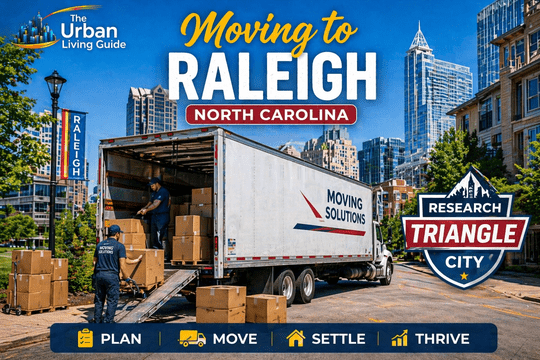
Raleigh Relocation: Fast Growth, Smart Planning
Raleigh is one of those cities where growth is not just visible—it’s constant. If you’re planning on moving to Raleigh, North Carolina, you’re likely targeting career opportunities, clean living, and long-term stability.
As part of the Research Triangle, Raleigh benefits from strong tech, education, and healthcare sectors. The city feels modern, organized, and future-focused.
One thing that surprises newcomers is how competitive housing has become due to rapid population growth.
👉 Watching a Raleigh relocation video can help you understand commute patterns and neighborhood vibes quickly.
Where Are You Moving From?
Your relocation approach depends on distance and expectations.
If you’re moving within North Carolina, relocation is straightforward and relatively affordable.
Coming from another state requires more structured planning—especially around housing and timing.
If you’re relocating long distance, balancing cost vs convenience becomes important.
If you’re moving from a smaller town, Raleigh may feel faster and more opportunity-driven.
From a major metro, it may feel cleaner and less chaotic.
Who Should Move (and Who Should Avoid)
Raleigh is a strong fit for:
- Tech professionals and job seekers
- Families looking for structured suburbs
- Remote workers seeking quality living
It may not suit:
- Budget-only movers (rising costs)
- People expecting a very low-cost city
Moving Process & Transportation Planning
Planning ahead is key when relocating to Raleigh.
For nearby moves, rental trucks are the most practical choice.
For interstate relocation:
- Full-service movers = convenience
- DIY = cost-saving
- Containers = flexible option
Typical cost estimates:
- Local: $400–$1,000
- Long-distance: $2,000–$5,500+
Availability is good, but peak season gets busy quickly.
Housing Strategy Before & After Moving
Raleigh’s housing demand is rising quickly, so planning is critical.
Common temporary options:
- Airbnb
- Extended Stay America
- Short-term rentals
Exploring neighborhoods before signing a lease is often a smart move.
Storage & Setup Essentials
Storage units are widely available across Raleigh.
Most services can be activated within days:
- Electricity
- Gas
- Internet
Planning these early avoids delays.
First Few Weeks After Moving (Reality Check)
Adjusting to Raleigh is usually smooth—but not without surprises.
Many newcomers don’t realize:
- Housing costs can stretch budgets
- Commutes vary by area
- Suburban living is more common than expected
Things to Know Before Moving
- Hot, humid summers
- Growing traffic issues
- Increasing cost of living
- Strong job market
Jobs & Income Outlook
Raleigh has one of the strongest job markets in the Southeast.
Key sectors:
- Technology
- Healthcare
- Education
Local Insights & Lifestyle Feel
Raleigh feels balanced and forward-moving.
You’ll notice:
- Clean infrastructure
- Strong communities
- Career-focused population
Quick Moving Checklist
30 Days Before
- Book movers
- Declutter
- Research housing
1 Week Before
- Set utilities
- Pack essentials
- Confirm logistics
Moving Day
- Check inventory
- Keep documents ready
- Plan arrival
Final Verdict – Is Moving to Raleigh Worth It?
Raleigh is ideal if you’re focused on long-term growth, career opportunities, and a structured lifestyle. It’s not the cheapest option anymore, but it delivers strong value through job stability and quality of life.
If you plan your move carefully—especially housing and commute—Raleigh can be one of the most rewarding cities to relocate to in 2026.
FAQs
Is it expensive to move to Raleigh, North Carolina?
Moving costs are moderate to high depending on distance. Housing demand can increase overall relocation expenses.
Can I find housing easily in Raleigh?
Yes, but competition is high. Planning ahead or using temporary housing is recommended.
Do I need a car in Raleigh?
Yes, public transportation is limited, and most areas require a car.
How long does relocation take?
Local moves take 1–2 days, while interstate moves may take 1–2 weeks.
Is Raleigh good for families?
Yes, it offers good schools, safe neighborhoods, and strong community living.
Explore More
Explore more helpful insights by The Urban Living Guide to plan your move better:
- Living in Raleigh, North Carolina
- Cost of Living in Raleigh, North Carolina
- Pros and Cons of Living in Raleigh, North Carolina
- Best Neighborhoods in Raleigh, North Carolina