
Thinking About Moving to Pittsburgh? Here’s What Daily Life in the Steel City Feels Like
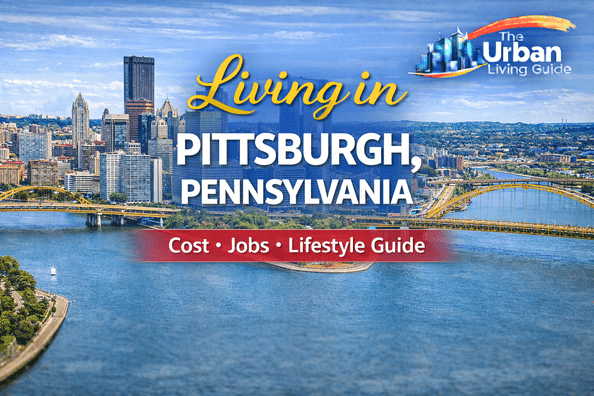
Pittsburgh is one of the most distinctive cities in the United States, known for its dramatic skyline, historic bridges, and strong economic transformation. Located in western Pennsylvania where the Allegheny, Monongahela, and Ohio rivers meet, the city has evolved from a historic steel manufacturing center into a modern hub for technology, healthcare, and education. Many people researching living in Pittsburgh, Pennsylvania are attracted by its affordable housing, strong job market, and vibrant cultural scene.
Pittsburgh has a population of around 300,000 residents and a metropolitan area of more than 2.3 million people. The city has undergone major redevelopment over the past several decades and is now widely recognized as a center for innovation and research.
👉 If you’re new to this region, the map below will help you get a clear idea of the city’s location.
Pittsburgh is often called the “Steel City” because of its historic steel industry, which played a major role in building America’s infrastructure during the 20th century.
People consider living in Pittsburgh, Pennsylvania because it offers big-city amenities, excellent universities, and a relatively low cost of living compared to many major U.S. cities.
Watch a recent video by a popular vlogger to understand daily life and vibes in Pittsburgh.
Information in this guide is compiled from publicly available data, official city resources, economic reports, and local housing databases to ensure accuracy and reliability.
What Makes Pittsburgh So Popular
Pittsburgh has become increasingly popular due to its economic transformation and high quality of life.
Several factors contribute to the city’s appeal:
-
- Affordable housing compared to other major cities
- Strong healthcare and research institutions
- Major universities and technology startups
- Scenic riverfront views and historic bridges
- Vibrant sports and arts culture
The city is home to more than 440 bridges, giving Pittsburgh one of the most recognizable skylines in the country.
Because of these advantages, living in Pittsburgh, Pennsylvania appeals to professionals, students, and families.
Famous Personalities, Sports & Major Brands from Pittsburgh
Pittsburgh has produced many famous personalities across sports, entertainment, and business.
-
- Michael Keaton – Hollywood actor
- Jeff Goldblum – Actor and musician
- Andy Warhol – Legendary pop artist
The city has one of the most passionate sports cultures in the United States.
-
- Pittsburgh Steelers – NFL
- Pittsburgh Penguins – NHL
- Pittsburgh Pirates – MLB
Major companies and institutions in Pittsburgh include:
-
- PNC Financial Services
- UPMC (University of Pittsburgh Medical Center)
- Heinz Company
- Duolingo
Best Neighborhoods in Pittsburgh
Pittsburgh offers many neighborhoods with unique character and lifestyle options.
Shadyside
Shadyside is one of the most popular neighborhoods, known for its restaurants, shopping streets, and historic homes.
Squirrel Hill
Squirrel Hill is a family-friendly neighborhood with parks, schools, and a vibrant community atmosphere.
Downtown Pittsburgh
Downtown offers modern apartments, business offices, and cultural attractions.
Lawrenceville
Lawrenceville is a trendy neighborhood known for art galleries, nightlife, and local restaurants.
Mount Washington
Mount Washington is famous for its breathtaking views of the Pittsburgh skyline.
Housing & Rent in Pittsburgh
Housing affordability is one of the biggest reasons people consider living in Pittsburgh, Pennsylvania.
Average monthly rental estimates:
-
- Studio apartment – $900 to $1,200
- 1 Bedroom apartment – $1,200 to $1,700
- 2 Bedroom apartment – $1,700 to $2,300
- Family home rental – $2,400 to $3,500
Rental figures are based on aggregated listing data and recent market trends.
Compared to many major U.S. cities, Pittsburgh offers relatively affordable housing options.
Job Market & Business Opportunities
Pittsburgh has one of the most diversified economies in Pennsylvania.
Major industries include:
-
- Healthcare and biotechnology
- Education and research
- Robotics and artificial intelligence
- Finance and banking
- Manufacturing and technology
Average salaries in Pittsburgh typically range between $65,000 and $110,000 annually, depending on profession and experience.
Because of these opportunities, living in Pittsburgh, Pennsylvania has become increasingly attractive for young professionals.
Major Companies & Headquarters in Pittsburgh
Several major corporations are headquartered in Pittsburgh.
Major employers include:
-
- PNC Financial Services
- UPMC
- Heinz Company
- Duolingo
- Highmark Health
These companies play a significant role in the city’s economic growth.
What It’s Really Like Living in Pittsburgh, Pennsylvania
Daily life while living in Pittsburgh, Pennsylvania offers a combination of historic charm and modern urban development.
Residents often enjoy exploring the city’s riverfront parks, museums, and vibrant neighborhoods.
Popular weekend activities include:
-
- Visiting Point State Park
- Riding the Duquesne Incline for skyline views
- Exploring museums and cultural districts
- Attending professional sports games
Pittsburgh’s compact layout and scenic geography make it one of the most visually unique cities in the United States.
Cost of Living in Pittsburgh
Pittsburgh offers a relatively affordable cost of living.
Typical monthly expenses include:
-
- Rent – $1,200 to $2,300
- Utilities – $140 to $220
- Groceries – $350 to $600
- Transportation – $90 to $180
- Healthcare – $180 to $350
Compared to cities like Boston or New York, Pittsburgh is significantly more affordable.
Transportation & Commute
Pittsburgh has several transportation options.
-
- Pittsburgh Regional Transit buses
- Light rail system (The T)
- Major highways
- Pittsburgh International Airport
Average commute times typically range between 25 and 35 minutes.
Weather & Environment
Pittsburgh experiences four seasons typical of the northeastern United States.
Weather patterns include:
-
- Warm summers around 75–85°F
- Cold winters with occasional snow
- Beautiful autumn foliage
- Mild spring seasons
Popular Hotels, Cafes & Restaurants
Pittsburgh has a growing hospitality and dining scene.
Popular hotels include:
-
- Fairmont Pittsburgh
- Omni William Penn Hotel
- Kimpton Hotel Monaco Pittsburgh
The city also offers diverse restaurants and cafes throughout its neighborhoods.
Sightseeing & Attractions
Pittsburgh has many cultural and historic attractions.
Popular places include:
-
- Point State Park
- Andy Warhol Museum
- Carnegie Museums
- Phipps Conservatory
- Mount Washington overlook
Budget Stay / Hostels
Visitors can find affordable accommodation across Pittsburgh.
Examples include:
-
- Budget hotels near downtown
- Guesthouses near universities
- Affordable motels in surrounding suburbs
Quick Snapshot of Living in Pittsburgh, Pennsylvania
-
- Population – Approximately 300,000
- Average rent – $1,200 to $2,300
- Average salary – $65,000 to $110,000
- Average commute – 25 to 35 minutes
- Climate – Four seasons with snowy winters
Education & Universities
Pittsburgh is home to several major universities.
Major institutions include:
-
- University of Pittsburgh
- Carnegie Mellon University
- Duquesne University
Pros and Cons of Living in Pittsburgh, Pennsylvania
Pros
-
- Affordable housing
- Strong healthcare and tech industries
- Beautiful skyline and river views
- Excellent universities
- Passionate sports culture
Cons
-
- Cold winters
- Cloudy weather during parts of the year
- Hilly terrain and bridges
- Some older infrastructure
- Limited nightlife compared to larger cities
Is Pittsburgh a Good Place to Live?
For people seeking affordability, strong job opportunities, and a unique city atmosphere, living in Pittsburgh, Pennsylvania can be an excellent choice.
The city offers a powerful combination of economic growth, cultural attractions, and relatively low living costs compared to many other U.S. metropolitan areas.
Overall, Pittsburgh continues to grow as one of the most livable cities in the northeastern United States.
FAQs
Is Pittsburgh expensive to live in?
Pittsburgh is generally considered more affordable than many major U.S. cities.
What salary is needed to live comfortably in Pittsburgh?
Many residents find that salaries between $70,000 and $110,000 provide a comfortable lifestyle.
Is Pittsburgh safe to live in?
Safety varies by neighborhood, but many areas are considered safe and family friendly.
Is Pittsburgh family friendly?
Yes, the city offers parks, schools, and family-oriented communities.
What are the best neighborhoods in Pittsburgh?
Shadyside, Squirrel Hill, Lawrenceville, Downtown, and Mount Washington.
Can you live in Pittsburgh without a car?
Yes, public transportation and walkable neighborhoods make it possible.
🔗 Explore More Cities in Pennsylvania
If you’re exploring more options beyond Pittsburgh, The Urban Living Guide has covered several other popular cities in Pennsylvania. You can also check:
- Living in Philadelphia, Pennsylvania
- Living in Allentown, Pennsylvania
- Living in Erie, Pennsylvania
- Living in Reading, Pennsylvania
Thinking about Pittsburgh? Here are a few must-read guides:
- Cost of Living in Pittsburgh, Pennsylvania
- Pros and Cons of Living in Pittsburgh, Pennsylvania
- Best Neighborhoods in Pittsburgh, Pennsylvania
And if you’re planning your move, don’t miss our complete guide: Moving to Pittsburgh, Pennsylvania
These guides give you a complete picture of what it’s like living across different cities, covering everything from cost of living, housing, and job opportunities to neighborhoods, commute, weather, education, popular places, and major employers.
The Urban Living Guide brings together these local insights in one place, helping you compare cities easily and make a confident, well-informed decision based on your lifestyle and goals.