

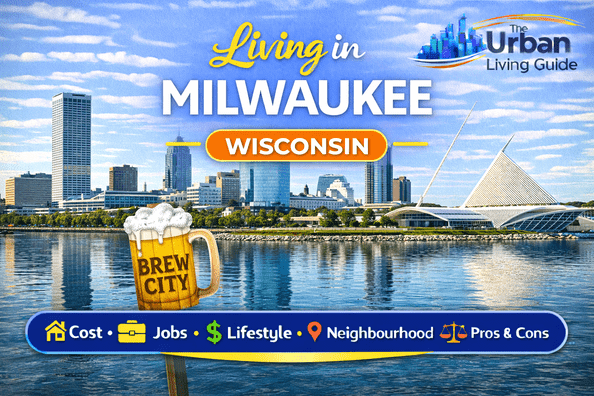
Living in Milwaukee, Wisconsin in 2026: The Complete Local Guide to Brew City Culture, Lake Michigan Shorelines, and Midwestern Urban Living
Stretching across the scenic bluffs where the Milwaukee, Menomonee, and Kinnickinnic rivers converge into the western shore of Lake Michigan, living in Milwaukee, Wisconsin offers an extraordinary fusion of historic brewing heritage, world-class freshwater waterfronts, vibrant cultural festivals, and exceptional economic value. As the largest municipality in Wisconsin with a population of approximately 560,000 residents, Milwaukee anchors a sprawling metropolitan basin exceeding 1.5 million people, balancing big-city amenities with the unpretentious warmth of the American Midwest.
Universally celebrated as “Brew City,” Milwaukee commands a proud industrial identity built on nineteenth-century brewing pioneers, powerhouse manufacturing, and innovative engineering. Today, that legacy lives on through a booming craft beverage scene, architectural masterpieces like the Santiago Calatrava-designed Milwaukee Art Museum, and legendary summer celebrations such as Summerfest. Whether you are walking through the historic brick warehouses of the Historic Third Ward, catching a game at Fiserv Forum, or enjoying the lake breezes at Bradford Beach, life here delivers an art-infused, accessible standard of living. Local municipal governance, public safety programs, and civic initiatives are centrally coordinated through the official City of Milwaukee Government Portal.
If you’re not familiar with the area, take a look at the map below to understand where the city is located along Lake Michigan.
What Makes Milwaukee So Popular & Unique
Over recent decades, Milwaukee has captured national attention as a premier destination for young professionals, families, and high-income buyers seeking big-city cultural depth without coastal or Chicago-level living costs. Key factors driving its sustained popularity include:
- Spectacular Lake Michigan Waterfront: Miles of sandy beaches, yacht harbors, scenic parks, and the bustling Milwaukee Riverwalk framing the urban core. Explore regional tourism initiatives via the Visit Milwaukee Official Tourism Portal.
- Legendary Festival and Arts Culture: Home to world-renowned summer celebrations, independent galleries, and a thriving performing arts community.
- Resilient Industrial and Corporate Economy: A robust job market anchored by global manufacturing giants, financial institutions, and advanced health systems.
- Exceptional Architectural Heritage: A stunning blend of 19th-century cream city brick buildings, modern urban developments, and historic residential neighborhoods.
Milwaukee At a Glance: Key Living Metrics
| Evaluation Metric | Local Data Overview & Regional Reality |
|---|---|
| Population | Approx. 560,000 within municipal city limits (Greater metropolitan area exceeds 1.5 million) |
| Median Monthly Rent | Ranges from $850 to $2,200+ depending on apartment size, waterfront proximity, and neighborhood district |
| Average Annual Salary | Typically spans $65,000 to $105,000 across manufacturing, healthcare, finance, and technology sectors |
| Primary Economic Pillars | Manufacturing, engineering, healthcare, financial services, insurance, technology, and hospitality |
| State Income Tax | Progressive Wisconsin state income tax structure ranging up to 7.65% across taxable brackets |
| Average Summer High | Routinely reaches 75°F to 85°F during comfortable, lake-breezed July and August afternoons |
| Primary Transit Mode | Milwaukee Streetcar (The Hop), MCTS bus network, and major regional highway corridors |
Famous Personalities, Local Icons & Major Brands in Milwaukee
Milwaukee has a proud history of nurturing legendary cinematic actors, world-class musical entertainers, elite professional sports franchises, and global manufacturing empires:
- Gene Wilder: The legendary, beloved Hollywood actor, comedian, and screenwriter who spent his formative early years growing up in Milwaukee (Gene Wilder Official Legacy Portal).
- Liberace: The internationally acclaimed, flamboyant American pianist and entertainer whose musical career began blossoming in local Wisconsin venues (Liberace Foundation Official Portal).
- Chris Farley: The iconic, high-energy comedian and Saturday Night Live star who proudly represented Wisconsin humor and roots.
- Milwaukee Bucks & Brewers: Championship-caliber professional sports franchises driving massive community excitement at the Fiserv Forum and American Family Field (Milwaukee Bucks Official Portal).
- Harley-Davidson & Northwestern Mutual: Iconic global corporate headquarters driving massive economic influence across the metropolitan area (Harley-Davidson Official Portal).
Job Market & Business Opportunities with Major Employers
The employment landscape in Milwaukee offers diverse professional opportunities, high average salaries, and strong industrial innovation sectors:
- Manufacturing and Advanced Engineering: A historic powerhouse supporting heavy machinery production, industrial automation, and mechanical engineering careers. Track regional economic data via the Bureau of Labor Statistics Midwest Information Office.
- Financial Services and Insurance: Home to massive national wealth management, corporate banking, and insurance headquarters.
- Healthcare and Medical Research: Major regional hospital networks and health systems delivering extensive clinical, nursing, and biomedical employment.
- Technology and Software Development: A growing sector dedicated to enterprise tech solutions, manufacturing software, and digital engineering.
Housing & Real Estate Overview in Milwaukee
Navigating the real estate market in Milwaukee requires understanding its neighborhood diversity, historic preservation, and waterfront desirability:
- Diverse Architectural Stock: Features historic cream city brick duplexes, luxury loft apartments in the Historic Third Ward, and charming bungalows throughout surrounding residential wards. Track property assessments via the City of Milwaukee Assessor Portal.
- Market Valuations: Strong geographical desirability and lakefront appeal have elevated property values, yet the city remains significantly more affordable than Chicago or coastal metros.
- Rental Market Inventory: Average monthly rent spans $850 to $1,200 for studio units, $1,100 to $1,500 for one-bedroom apartments, $1,500 to $2,200 for two-bedroom properties, and $2,400 to $3,800+ for single-family home rentals.
- Suburban Alternatives: Surrounding enclaves like Wauwatosa offer alternative housing options with exceptional public school systems and strong community character.
Best Neighborhoods in Milwaukee: Finding Your Ideal Community
- Historic Third Ward: Trendy, upscale urban district known for converted industrial lofts, art galleries, high-end dining, and access to the Milwaukee Public Market. Housing stock consists of luxury loft apartments, high-rise condos, and premium urban valuations.
- Bay View: Creative, bohemian neighborhood nestled along Lake Michigan, celebrated for indie music venues, craft breweries, local art co-ops, and vibrant nightlife. Housing features historic bungalows, vintage cottages, and artistic community pricing.
- East Side: Energetic, youthful lakeside district packed with historic mansions, lively coffee shops, and proximity to the University of Wisconsin–Milwaukee. Housing includes historic multi-family homes, student-friendly apartments, and competitive rental pricing.
- Wauwatosa: Charming suburban-style neighborhood featuring tree-lined residential blocks, historic village retail districts, and excellent parks. Housing features classic mid-century Tudors, colonial homes, and stable family-oriented valuations.
- Walker’s Point: Dynamic historic industrial district famous for craft breweries, award-winning restaurants, and modern entertainment venues. Housing offers converted warehouse apartments, modern townhomes, and dynamic urban inventory.
Watch a recent video by a popular vlogger to understand daily life and vibes in Milwaukee.
What It’s Really Like Living in Milwaukee (Daily Life & Vibe)
Daily life in Milwaukee is defined by an active, community-driven rhythm that celebrates lakefront recreation and cultural festivals:
- Active Lakefront Routines: Residents spend warm months cycling along the Lake Michigan shoreline, attending Summerfest concerts, or relaxing at Bradford Beach. Explore park guidelines via the Milwaukee County Parks and Recreation Portal.
- Brewery and Public Market Culture: Mornings begin at artisan coffee roasters in Walker’s Point, followed by afternoon visits to the Milwaukee Public Market for local delicacies and craft brews.
- Arts and Festival Engagement: Participating in neighborhood art walks, ethnic cultural festivals, and winter holiday celebrations across the city.
- Social Atmosphere: Welcoming, unpretentious, intellectually curious, and fiercely proud of local sports teams and brewing heritage.
Cost of Living in Milwaukee: Monthly Expenses & Salary Needs
The cost of living in Milwaukee sits comfortably below the national average, reflecting exceptional financial value for urban infrastructure and amenities:
- Housing Overhead: $1,400 to $2,000 covering standard apartment rentals across popular districts. Review regional economic data via the Bureau of Labor Statistics Midwest Information Office.
- Utilities & Power: $140 to $220 monthly for electricity, heating, water, and municipal waste services, with moderate heating needs during winter.
- Groceries & Household Goods: $300 to $450 depending on household size and shopping choices between local markets and national supermarkets.
- Transportation Expenses: $100 to $180 covering public transit passes, fuel, and vehicle maintenance.
- Required Household Income: Single professionals or working households typically require an annual income between $70,000 and $95,000 to comfortably cover local living expenses and savings goals.
Transportation, Commute Dynamics & Transit Realities
Milwaukee provides exceptional public transportation infrastructure that makes car-lite living entirely feasible across central districts:
- Milwaukee Streetcar (The Hop): Modern urban transit rail lines connecting downtown, the Historic Third Ward, and Lower East Side districts (The Hop Streetcar Official Portal).
- Extensive Bus Networks: Comprehensive MCTS bus routes linking neighborhoods across county boundaries.
- Highway Connectivity: Excellent freeway access via Interstate 94 and Interstate 43, ensuring smooth regional travel.
- Commute Times: Average daily commutes hover around a manageable 22 minutes during standard hours.
- Aviation Convenience: Proximity to Milwaukee Mitchell International Airport (MKE) for domestic and international travel (MKE Airport Official Portal).
Weather Patterns, Seasonal Realities & Climate Factors
The environmental rhythm of Milwaukee follows a classic humid continental climate featuring warm summers and snowy winters shaped by Lake Michigan:
- Warm, Breezy Summers: Summer daytime high temperatures routinely average 75°F to 85°F with refreshing lake breezes, providing magnificent weather for outdoor dining and festivals. Track active forecasts via the National Weather Service Milwaukee Portal.
- Cool, Snowy Winters: Winter seasons bring brisk temperatures and lake-effect snowfall, keeping winter sports enthusiasts active across county parks.
Education, Schools & Major Universities
Educational infrastructure stands as a premier anchor for academic excellence, scientific research, and workforce development:
- University of Wisconsin–Milwaukee (UWM): A prominent public research university offering comprehensive undergraduate and graduate programs near the lakefront (UWM Official Portal).
- Marquette University: Respected private Jesuit university providing exceptional liberal arts and professional programs downtown (Marquette University Portal).
- Milwaukee School of Engineering (MSOE): Nationally recognized technical university fostering engineering talent.
- Milwaukee Public Schools: Operating numerous neighborhood schools focused on academic achievement and specialized magnet programs.
Medical Facilities, Hospitals & Healthcare Systems
Healthcare infrastructure in Milwaukee is advanced, highly specialized, and anchored by premier regional medical networks:
- Froedtert & the Medical College of Wisconsin: Premier academic medical center and level-one trauma facility delivering groundbreaking clinical care (Froedtert Health Portal).
- Aurora Health Care: Major regional hospital network operating comprehensive acute care hospitals, emergency rooms, and specialty clinics.
- Specialized Outpatient Centers: Extensive network of community health clinics and specialized medical practices across every neighborhood ward.
Popular Hotels, Cafes, Dining & Culinary Scene
The hospitality and culinary identity of Milwaukee reflects historic luxury hotel elegance, artisan coffee mastery, and world-class culinary traditions:
- The Pfister Hotel: Sophisticated historic luxury hotel located in downtown Milwaukee, featuring striking Victorian art collections, fine dining, and refined hospitality (The Pfister Hotel Portal).
- Saint Kate – The Arts Hotel & Kimpton Journeyman Hotel: Creative luxury accommodations offering contemporary art galleries and rooftop elegance.
- Public Markets & Breweries: Acclaimed neighborhood markets, coffee roasters, and microbreweries serving innovative local flavors and cheese curds.
Sightseeing, Cultural Spots & Tourist Attractions
Landmark cultural institutions and natural wonders significantly enhance the daily quality of life for local residents:
- Milwaukee Art Museum: Architectural masterpiece designed by Santiago Calatrava, housing extensive fine art collections along the lakefront (Milwaukee Art Museum Portal).
- Harley-Davidson Museum: Global cultural landmark celebrating American motorcycle history and industrial engineering (Harley-Davidson Museum Portal).
- Milwaukee Public Market: Bustling indoor marketplace offering artisan foods, local seafood, and specialty treats in the Historic Third Ward.
Regional Trade-offs: Pros and Cons of Living in Milwaukee
Advantages
- Exception housing affordability and rental markets compared to major coastal and Chicago hubs.
- Stunning Lake Michigan waterfront access, sandy beaches, and scenic riverwalks.
- World-class summer music festivals, vibrant arts scene, and rich brewing heritage.
- Robust career opportunities across manufacturing, engineering, and healthcare sectors.
- Friendly Midwestern community spirit with manageable daily commute times.
Things to Consider
- Cold winter seasons featuring lake-effect snowfall and brisk temperatures.
- Property crime and public safety challenges concentrated in specific urban pockets.
- Public transit coverage is limited outside central streetcar and bus corridors.
- Economic disparities and neighborhood segregation present across municipal boundaries.
- Shorter warm summer seasons compared to southern U.S. metropolitan areas.
Who Is Milwaukee Ideal For — And Who Should Avoid It?
Who Milwaukee Is Ideal For
- Young Professionals & Creatives: Residents drawn to loft living in the Third Ward, craft breweries, and vibrant arts districts.
- Healthcare & Engineering Professionals: Workers pursuing robust careers at Froedtert, Northwestern Mutual, and manufacturing giants.
- Lakefront & Outdoor Enthusiasts: People who prioritize summer festivals, boating, beach days, and park trail systems.
- Value-Conscious Homebuyers: Buyers seeking big-city cultural amenities without extreme Chicago or coastal housing costs.
Who Should Avoid Milwaukee
- Year-Round Warmth Seekers: Individuals who struggle with freezing winter weather, snowstorms, and extended cold seasons.
- Ultra-Low Budget Renters in Exclusive Core Pockets: Buyers seeking bargain real estate directly inside trendy waterfront districts.
- Mega-City Nightlife Seekers: Residents looking for massive 24-hour ultra-dense metropolitan club districts.
- Those Intolerant of Urban Social Issues: People uncomfortable navigating neighborhoods with documented urban crime and economic disparities.
Real Experiences: Perspectives from Long-Term Residents (5 to 10+ Years)
“Moving to the Historic Third Ward ten years ago was the best lifestyle change I could have made. The loft conversions are gorgeous, walking along the Riverwalk to dinner is an absolute dream, and having Lake Michigan right in your backyard changes everything. Winters are properly cold, but once summer hits and the festival season starts, there is no place quite like Brew City.”
[Source: r/milwaukee Community Discussions — u/ThirdWardLoftOwner, resident of 11 years]
“The big reality check for newcomers is learning to embrace the lake-effect snow and the gray skies from November through March. However, the trade-off is completely worth it. The cost of living is reasonable, the local coffee and microbrewery scene is world-class, and the community pride is strong. It’s an underrated Great Lakes gem.”
[Source: Local Resident Panels & Community Forums — Marcus L., Bay View homeowner of 9 years]
Frequently Asked Questions About Living in Milwaukee, Wisconsin
Is Milwaukee expensive to live in compared to other U.S. cities?
Milwaukee maintains a cost of living moderately below the national average, offering substantially more affordable housing than neighboring Great Lakes hubs like Chicago.
What level of annual salary do individuals need to live comfortably in Milwaukee?
Most single professionals require an annual salary of $70,000 to $95,000 to comfortably cover rent, utilities, transportation, and discretionary spending in popular neighborhoods.
Can residents successfully live in Milwaukee without owning a personal vehicle?
Yes. Many residents live car-lite by utilizing The Hop streetcar, MCTS buses, and bike greenways, especially in central neighborhoods like the Historic Third Ward and East Side.
What are the best residential neighborhoods to consider in Milwaukee?
Top neighborhoods include the Historic Third Ward for urban loft living, Bay View for creative culture, East Side for student and young professional energy, and Wauwatosa for family suburban charm.
How does commuting work for professionals working across Milwaukee?
Commuters primarily utilize Interstate 94, Interstate 43, and streetcar lines, enjoying average daily commute times of around 22 minutes during standard hours.
What are the primary natural and cultural highlights of Milwaukee?
Residents enjoy exploring the Milwaukee Art Museum, attending Summerfest, walking along the Riverwalk, relaxing at Bradford Beach, and visiting the Harley-Davidson Museum.
🔗 Explore More Cities in Wisconsin
If you’re considering options beyond Milwaukee, The Urban Living Guide has also explored several other well-known cities across Wisconsin. You may also want to check:
- Living in Madison, Wisconsin
- Living in Green Bay, Wisconsin
- Living in Kenosha, Wisconsin
- Living in Racine, Wisconsin
Exploring life in Milwaukee? Start with these helpful resources:
- Cost of Living in Milwaukee, Wisconsin
- Pros and Cons of Living in Milwaukee, Wisconsin
- Best Neighborhoods in Milwaukee, Wisconsin
Need the full picture? Visit our guide: Moving to Milwaukee, Wisconsin
Each of these guides highlights what daily life looks like in different cities, including insights on cost of living, housing trends, job opportunities, local neighborhoods, commute patterns, weather conditions, education options, popular areas, and major employers.
With The Urban Living Guide, all this information is organized in one place so you can easily compare cities and decide which one suits your lifestyle, budget, and future plans.