

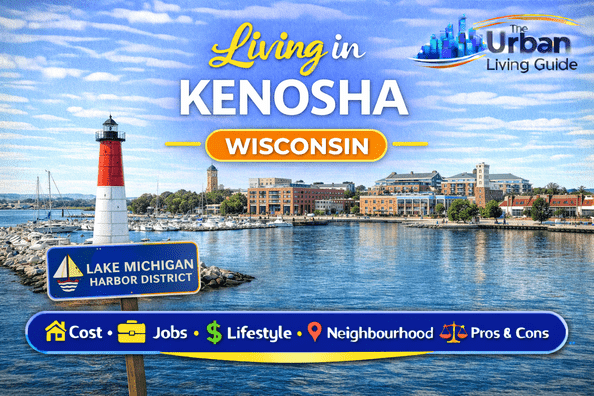
Living in Kenosha, Wisconsin in 2026: The Complete Local Guide to Lake Michigan Shorelines, Chicago Commuter Access, and Historic Harbor Living
Stretching across the picturesque bluffs where the Pike River meets the expansive western shore of Lake Michigan, living in Kenosha, Wisconsin offers an extraordinary fusion of maritime history, thriving industrial logistics, accessible Chicago commuter connectivity, and vibrant lakefront recreation. As the fourth-largest municipality in Wisconsin with a population of approximately 100,000 residents, Kenosha anchors a vital economic and cultural hub in southeastern Wisconsin, positioned strategically between Milwaukee and the greater Chicago metropolitan area.
Universally celebrated for its rich automotive heritage and picturesque waterfront parks, Kenosha commands a distinct community identity rooted in industrial innovation, arts education, and Great Lakes charm. Whether you are strolling along the scenic boardwalk of the Kenosha Harbor District, exploring world-class exhibits at the downtown museum campus on Simmons Island Park, or hopping aboard an authentic restored electric streetcar, life here delivers an art-infused, highly connected standard of living. Local municipal governance, neighborhood development programs, and public safety initiatives are centrally administered through the official City of Kenosha Government Portal.
If this city is new to you, use the map below to see exactly where it’s located and what’s nearby.
What Makes Kenosha So Popular & Unique
Over recent decades, Kenosha has captured widespread recognition as a premier destination for commuters, families, and first-time homebuyers seeking high-quality lakefront living without Chicago or Milwaukee housing costs. Key factors driving its sustained popularity include:
- Scenic Lake Michigan Waterfront: Miles of pristine sandy beaches, recreational marinas, and scenic promenades framing the Lake Michigan Harbor District. Explore regional tourism initiatives via the Visit Kenosha Official Tourism Portal.
- Direct Metra Rail Commuter Access: Seamless commuter rail connection via the Metra Union Pacific North line linking Kenosha directly to downtown Chicago.
- Exceptional Housing Affordability: A real estate market that allows buyers to secure historic homes, modern apartments, and spacious yards well below metropolitan housing medians.
- Thriving Logistics and Higher Education Hub: A dynamic employment engine driven by global supply chain headquarters, advanced manufacturing, and respected higher education institutions.
Kenosha At a Glance: Key Living Metrics
Famous Personalities, Local Icons & Major Brands in Kenosha
Kenosha has a proud history of nurturing legendary filmmakers, acclaimed Hollywood actors, elite educational institutions, and global manufacturing giants:
- Orson Welles: The legendary filmmaker, actor, and cinematic innovator who spent formative years of his youth exploring Wisconsin arts and culture (Wellesnet Official Legacy Portal).
- Mark Ruffalo: The Academy Award–nominated actor, activist, and filmmaker who was born in Kenosha and maintains strong personal ties to Wisconsin (Authentic Wisconsin Biographical Archive).
- Al Molinaro: The beloved television actor famously known for his role in the hit series Happy Days.
- University of Wisconsin–Parkside & Carthage College: Premier local higher education institutions driving academic research, athletics, and cultural enrichment (UW–Parkside Official Portal).
- Snap-on & Uline: Major global corporate headquarters and regional operations driving massive economic influence across southeastern Wisconsin (Snap-on Incorporated Official Portal).
Job Market & Business Opportunities with Major Employers
The employment landscape in Kenosha offers robust professional diversity, competitive salaries, and expanding industrial sectors:
- Logistics and Distribution Hub: Strategically positioned along the Interstate 94 corridor, supporting massive supply chain, warehousing, and freight operations. Track regional economic indicators via the Bureau of Labor Statistics Midwest Information Office.
- Healthcare and Clinical Services: Anchored by comprehensive health systems delivering extensive nursing, medical research, and patient care careers.
- Advanced Manufacturing and Engineering: A historic industrial sector supporting tool manufacturing, automotive components, and industrial technology.
- Higher Education and Public Administration: Respected universities and school districts supporting professional education and administrative careers.
Housing & Real Estate Overview in Kenosha
Navigating the real estate market in Kenosha requires understanding its neighborhood diversity, historic architectural preservation, and lakefront appeal:
- Diverse Architectural Stock: Features stunning Victorian and craftsman homes in historic districts, modern luxury apartments in HarborPark, and family-friendly suburban builds across Pleasant Prairie and Somers. Track property assessments via the Kenosha County Equalization and Assessment Portal.
- Market Valuations: Strong commuter interest from Chicago and Milwaukee has driven steady appreciation, yet home prices remain significantly more accessible than southern border suburbs.
- Rental Market Inventory: Average monthly rent spans $800 to $1,100 for studio units, $1,100 to $1,500 for one-bedroom apartments, $1,500 to $2,100 for two-bedroom properties, and $2,300 to $3,700+ for single-family rental homes.
- Suburban Alternatives: Surrounding residential communities offer quiet neighborhoods with excellent community amenities and top-tier school districts.
Best Neighborhoods in Kenosha: Finding Your Ideal Community
- HarborPark
- Trendy, upscale waterfront district developed along the former industrial lakefront, featuring scenic marinas, museums, and green promenades. Features modern luxury apartments, condominiums, and premium urban valuations.
- Downtown Kenosha
- Historic urban center packed with local dining, antique boutiques, entertainment venues, and restored streetcar lines. Features historic character properties, loft rentals, and competitive downtown pricing.
- Pleasant Prairie
- Thriving suburban community known for immaculate parks, excellent public schools, and family-oriented residential enclaves. Features spacious single-family homes, modern subdivisions, and strong suburban demand.
- Allendale
- Quiet, established residential neighborhood featuring mature shade trees, well-kept lawns, and a peaceful community feel. Features mid-century family homes, ranch properties, and stable residential valuations.
- Forest Park Area
- Popular family-oriented community offering neighborhood schools, sports fields, and accessible recreational parks. Features classic suburban bungalows, split-level homes, and steady community demand.
- Somers Area
- Growing suburban residential sector expanding rapidly with contemporary housing developments and open green spaces. Features newer construction builds, custom homes, and excellent buyer value.
Watch a recent video by a popular vlogger to understand daily life and vibes in Kenosha.
What It’s Really Like Living in Kenosha (Daily Life & Vibe)
Daily life in Kenosha is defined by an active, community-driven rhythm that celebrates lakefront relaxation and commuter convenience:
- Active Lakefront Routines: Residents spend weekends walking along Simmons Island beach, exploring HarborPark museums, or riding the historic electric streetcar. Check municipal recreation schedules via the Kenosha Parks and Recreation Portal.
- Coffee and Harbor Dining: Mornings begin at independent roasters near downtown, followed by afternoon visits to local markets and lakeside bistros.
- Arts and Festival Engagement: Participating in vibrant summer concerts, lakefront art fairs, and community heritage celebrations throughout the year.
- Social Atmosphere: Welcoming, unpretentious, family-oriented, and uniquely positioned between two major Midwestern cultural capitals.
Cost of Living in Kenosha: Monthly Expenses & Salary Needs
Transportation, Commute Dynamics & Transit Realities
Kenosha provides exceptional transportation infrastructure that makes commuting to Chicago or Milwaukee highly practical:
- Metra Union Pacific North Rail Line: Direct commuter train service originating in downtown Kenosha and connecting passengers straight to Chicago (Metra Commuter Rail Portal).
- Kenosha Metro Transit System: Comprehensive local public bus network serving municipal commercial corridors.
- Highway Connectivity: Excellent freeway access via Interstate 94, ensuring smooth north-south travel across Wisconsin and Illinois.
- Commute Times: Average daily local commutes hover around a manageable 24 minutes.
- Aviation Convenience: Proximity to both Milwaukee Mitchell International Airport (MKE) and Chicago O’Hare International Airport (ORD).
Weather Patterns, Seasonal Realities & Climate Factors
The environmental rhythm of Kenosha follows a classic humid continental climate featuring pleasant summers and snowy winters:
- Pleasant, Breezy Summers: Summer daytime high temperatures routinely average 70°F to 85°F with refreshing lake breezes, providing magnificent weather for park visits and lake recreation. Track active forecasts via the National Weather Service Milwaukee / Kenosha Portal.
- Cool, Snowy Winters: Winter seasons bring brisk temperatures and seasonal snowfall, keeping winter sports enthusiasts active across county parks.
Education, Schools & Major Universities
Educational infrastructure stands as a premier anchor for academic excellence, scientific research, and workforce development:
- University of Wisconsin–Parkside: A prominent public university offering comprehensive undergraduate and graduate degree programs (UW–Parkside Official Portal).
- Carthage College: Respected private liberal arts institution providing exceptional education programs along the lakefront (Carthage College Official Portal).
- Gateway Technical College: Comprehensive technical college supporting professional skill training and career development.
- Kenosha Unified School District (KUSD): Operating numerous neighborhood schools focused on academic achievement and student enrichment (KUSD Official Portal).
Medical Facilities, Hospitals & Healthcare Systems
Healthcare infrastructure in Kenosha is advanced, highly specialized, and anchored by premier regional medical networks:
- Froedtert South Health System: Premier regional healthcare network operating comprehensive acute care hospitals, emergency rooms, and specialty clinics (Froedtert South Official Portal).
- Aurora Health Care & Ascension: Major regional hospital networks operating specialized outpatient centers and emergency care facilities across the county.
- Specialized Outpatient Centers: Extensive network of rehabilitation clinics, pediatric specialists, and wellness centers.
Popular Hotels, Cafes, Dining & Culinary Scene
The hospitality and culinary identity of Kenosha reflects boutique hotel elegance, lakeside dining, and local Wisconsin supper club traditions:
- The Stella Hotel & Ballroom: Sophisticated boutique hotel located in downtown Kenosha, featuring striking contemporary design, fine dining, and refined hospitality (The Stella Hotel Portal).
- Wyndham Garden Kenosha & Best Western Executive Inn: Comfortable modern accommodations offering convenient access to major highways and shopping centers.
- Lakefront Dining & Supper Clubs: Acclaimed neighborhood restaurants serving fresh seafood, Wisconsin cheese dishes, and craft microbrews.
Sightseeing, Cultural Spots & Tourist Attractions
Landmark cultural institutions and natural wonders significantly enhance the daily quality of life for local residents:
- Kenosha Public Museum & Civil War Museum: Smithsonian Affiliate museums offering world-class cultural exhibits and regional history collections (Kenosha Museums Official Portal).
- Simmons Island Park & Southport Light Station: Historic 1866 lighthouse and sandy park grounds offering iconic Lake Michigan views.
- Dinosaur Discovery Museum: Unique institution housing authentic dinosaur fossils and paleontology research exhibits.
Regional Trade-offs: Pros and Cons of Living in Kenosha
Who Is Kenosha Ideal For — And Who Should Avoid It?
Who Kenosha Is Ideal For
- Chicago & Milwaukee Commuters: Workers seeking lower Wisconsin housing costs while maintaining easy rail or highway access to big-city jobs.
- Families and First-Time Homebuyers: Residents looking for affordable real estate, safe neighborhoods, and excellent local schools.
- Lakefront and Outdoor Enthusiasts: People who prioritize weekend beach days, sailing, boating, and park greenways.
- Remote Workers and Retirees: Individuals wanting a peaceful, connected small city with rich cultural museums.
Who Should Avoid Kenosha
- Year-Round Warmth Seekers: Individuals who struggle with freezing winter weather, snowstorms, and extended cold seasons.
- Mega-City Nightlife Seekers: Residents looking for massive 24-hour ultra-dense metropolitan club and theater districts.
- Subway and Heavy-Rail Purists: People requiring extensive internal underground heavy-rail transit networks without driving.
- Ultra-Low Budget Renters in Waterfront Core: Buyers seeking bargain real estate directly inside luxury harbor districts.
Real Experiences: Perspectives from Long-Term Residents (5 to 10+ Years)
“Moving to the HarborPark district ten years ago after getting tired of high Chicago rents was the best lifestyle change I could have made. Taking the Metra train for weekend trips back to the city while living right on Lake Michigan in a gorgeous modern apartment is unbeatable. Winters get cold, but the summer lake breezes and community vibe make it home.”
[Source: r/kenosha Community Discussions — u/HarborParkCommuter, resident of 11 years]
“The big reality check for newcomers is adjusting to the winter snowstorms and managing your commute during peak weather events. However, the trade-off is completely worth it. Housing is reasonable, the local schools in Pleasant Prairie are fantastic for kids, and the lakefront parks are world-class. It’s an absolute hidden gem on the Wisconsin shore.”
[Source: Local Resident Panels & Community Forums — David M., Allendale homeowner of 9 years]
Frequently Asked Questions About Living in Kenosha, Wisconsin
Is Kenosha expensive to live in compared to other U.S. cities?
Kenosha maintains a moderate cost of living that sits comfortably below the national average, offering substantially more affordable housing than nearby Chicago suburbs.
What level of annual salary do individuals need to live comfortably in Kenosha?
Most single professionals require an annual salary of $70,000 to $95,000 to comfortably cover rent, utilities, transportation, and discretionary spending in popular neighborhoods.
Can residents successfully live in Kenosha without owning a personal vehicle?
While Metra rail connects Kenosha directly to Chicago, most residents rely on a personal vehicle for convenient local commuting and daily errands across southeastern Wisconsin.
What are the best residential neighborhoods to consider in Kenosha?
Top neighborhoods include HarborPark for upscale waterfront living, Downtown Kenosha for historic walkability, Pleasant Prairie for family suburban schools, and Allendale for quiet residential charm.
How does commuting work for professionals working across Kenosha?
Commuters primarily utilize Interstate 94, the Metra Union Pacific North rail line, and local bus routes, enjoying average daily commute times of around 24 minutes during standard hours.
What are the primary natural and cultural highlights of Kenosha?
Residents enjoy exploring the Kenosha Public Museum, relaxing at Simmons Island Park, strolling along the HarborPark marina, and riding the historic electric streetcar.
🔗 Explore More Cities in Wisconsin
If you’re considering options beyond Kenosha, The Urban Living Guide has also explored several other well-known cities across Wisconsin. You may also want to check:
- Living in Milwaukee, Wisconsin
- Living in Madison, Wisconsin
- Living in Green Bay, Wisconsin
- Living in Racine, Wisconsin
Looking for more information about Kenosha? These guides may help:
- Cost of Living in Kenosha, Wisconsin
- Pros and Cons of Living in Kenosha, Wisconsin
- Best Neighborhoods in Kenosha, Wisconsin
For everything in one place, visit: Moving to Kenosha, Wisconsin
Each of these guides highlights what daily life looks like in different cities, including insights on cost of living, housing trends, job opportunities, local neighborhoods, commute patterns, weather conditions, education options, popular areas, and major employers.
With The Urban Living Guide, all this information is organized in one place so you can easily compare cities and decide which one suits your lifestyle, budget, and future plans.