
Introduction
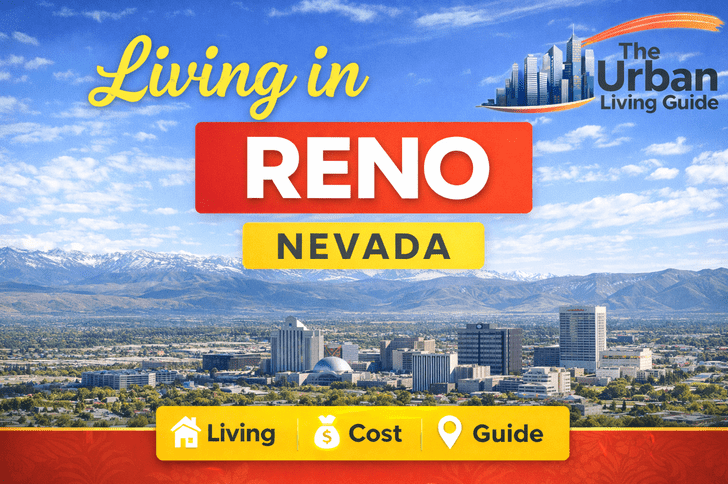
Located in the western part of Nevada near the California border, Reno is one of the fastest-growing cities in the American West. Often called “The Biggest Little City in the World,” Reno sits at the base of the Sierra Nevada mountains and lies only about 45 minutes from the famous alpine destination Lake Tahoe. With a population of roughly 275,000 residents and a metro population exceeding 500,000, Reno has transformed from a casino-driven town into a diversified economy built around technology, logistics, tourism, and outdoor recreation.
Over the past decade, Reno has attracted national attention as a growing tech hub thanks to major companies like Tesla, Amazon, and Google investing heavily in the region. The presence of the Tesla Gigafactory near the city has significantly boosted economic development and job opportunities. Combined with Nevada’s tax advantages and access to California markets, Reno has become a relocation hotspot for professionals, entrepreneurs, and remote workers.
For many people researching living in Reno Nevada, the city offers a unique blend of mountain lifestyle, economic opportunity, and entertainment. Residents enjoy quick access to skiing, hiking, and lake recreation while still benefiting from a growing urban economy.
People moving here often include tech professionals relocating from California, young families seeking affordable housing compared to coastal cities, and retirees who want scenic landscapes with relatively lower taxes. Reno’s lifestyle combines outdoor adventure with a relaxed urban culture, making it appealing to individuals who want both career opportunities and natural beauty.
Watch a recent video by a popular vlogger to understand daily life and vibes in Reno.
Information in this guide is compiled from publicly available data, official city resources, economic reports, and local housing databases to ensure accuracy and reliability.
Last updated: March 2026
What Makes Reno So Popular?
Reno has gained popularity as a fast-growing western city combining technology investment, tourism, and outdoor recreation. Its proximity to Lake Tahoe, strong job market, and Nevada’s no-income-tax policy attract professionals and entrepreneurs. The city also hosts major events, festivals, and gaming resorts that support its national reputation.
👉 If you haven’t come across this city before, the map below gives you a quick view of its location.
🌟 Famous Personalities, Sports & Major Brands
Reno has produced or attracted several well-known personalities and major businesses that contribute to its cultural and economic recognition.
Famous Personalities
One of Reno’s most famous personalities is Pat Nixon, former First Lady of the United States, who spent part of her early life in the Reno area. The city is also associated with several professional athletes and entertainers who trained or studied in the region.
Sports Presence
Reno is home to the Reno Aces, a Minor League Baseball team affiliated with the Arizona Diamondbacks. The city also hosts the Reno 1868 FC legacy soccer culture and various regional sports events that draw fans from across Nevada and Northern California.
Major Brands & Businesses
Several major companies operate large facilities near Reno, including Tesla, Amazon, Google, and Switch, which runs one of the world’s largest data center campuses in the region. These investments have transformed Reno into a rapidly growing technology and logistics hub.
Best Neighborhoods in Reno
Reno offers a variety of neighborhoods that appeal to different lifestyles and budgets.
Midtown Reno
Midtown is one of the trendiest areas in the city. Known for its art scene, cafes, and local restaurants, it attracts young professionals and creatives who want an urban lifestyle close to downtown.
South Reno
South Reno features newer housing developments, family-friendly communities, and excellent access to schools and parks. Many families prefer this area for its suburban atmosphere and modern homes.
Northwest Reno
Located near the foothills, Northwest Reno offers scenic views, quieter neighborhoods, and access to hiking trails. It is popular among residents who enjoy outdoor activities and peaceful surroundings.
These areas represent some of the most desirable places for people considering relocation to Reno.
Housing & Rent in Reno
Housing is typically the largest expense for residents, and Reno’s real estate market has become increasingly competitive due to population growth.
Average rent ranges are approximately:
Studio apartments: $1,200 – $1,500
1-bedroom apartments: $1,400 – $1,800
Family homes: $2,200 – $3,500+
Neighborhoods such as South Reno and areas near the foothills often command higher prices due to scenic surroundings and newer developments. More affordable housing can sometimes be found in older neighborhoods closer to downtown.
For many people researching living in Reno Nevada, housing affordability compared with nearby California cities is a major reason for relocation. However, increasing demand has gradually pushed prices higher over the past several years.
Rental figures are based on aggregated listing data and recent market trends.
Read our detailed guide on Best Neighborhoods in Reno.
Job Market & Business Opportunities
Reno’s economy has diversified significantly beyond gaming and tourism. Today, the region supports a growing mix of technology, logistics, manufacturing, and service industries.
Major industries include:
Technology and data centers
Logistics and distribution
Tourism and hospitality
Manufacturing
Healthcare
Large employers in the region include Tesla, Amazon, Switch, and Renown Health. The presence of the Tesla Gigafactory has been a major driver of job creation and infrastructure investment.
Average salaries in Reno typically range from $55,000 to $85,000 depending on industry and experience level. Technology and engineering roles often offer higher compensation, while service industry jobs vary widely.
Economic development information is frequently referenced from the Nevada Governor’s Office of Economic Development, which monitors business growth across the state.
What It’s Really Like Living in Reno
Daily life in Reno is heavily influenced by its outdoor lifestyle and close connection to nature. Unlike major metropolitan areas, the city maintains a relaxed pace while still offering modern amenities.
Residents often start their mornings with coffee shops in Midtown or outdoor activities such as hiking along the Truckee River Walk. Many neighborhoods offer quick access to parks, cycling routes, and scenic trails.
Work culture varies widely depending on industry. Some residents commute to technology companies or distribution centers, while others work in healthcare, tourism, or remote positions. Reno’s growing tech ecosystem has attracted professionals relocating from California’s Bay Area.
Weekends in Reno often revolve around outdoor adventure. Many residents travel to Lake Tahoe for skiing, boating, or hiking. Others attend local events such as the Reno Rodeo, art festivals, or seasonal food markets.
Socially, the city has a friendly and welcoming atmosphere. For individuals exploring living in Reno Nevada, the combination of outdoor recreation and career opportunities is one of the city’s strongest lifestyle advantages.
Cost of Living in Reno
The cost of living in Reno is generally lower than many cities in California but slightly higher than the national average.
Cost estimates are derived from official statistics and city-level cost databases.
Typical monthly expenses include:
Rent: $1,400 – $2,800 depending on housing type
Utilities: $150 – $250
Groceries: $350 – $500 per person
Transportation: $150 – $300
Healthcare insurance: $250 – $500
A comfortable salary for individuals usually ranges between $65,000 and $80,000 per year depending on lifestyle and housing choices.
For many households considering living in Reno Nevada, the absence of a state income tax provides a financial advantage compared with nearby California cities.
Compared to Sacramento, living costs in Reno are generally lower in housing and taxes, while similar in groceries and utilities.
See full salary breakdown in our Reno Salary Guide.
Transportation & Traffic
Transportation in Reno is relatively straightforward compared with larger cities. Most residents rely on personal vehicles for commuting and daily errands.
Major highways such as Interstate 80 connect Reno with California and other parts of Nevada. Public transportation is available through the RTC Washoe bus system, though coverage is limited compared with larger metro areas.
Average commute times typically range between 15 and 25 minutes, making Reno one of the easier cities for daily commuting.
The nearby Reno–Tahoe International Airport provides domestic flight connections across the United States.
Weather & Environment
Reno experiences a semi-arid climate with four distinct seasons. Summers are warm and sunny, while winters can bring snow due to the city’s proximity to the Sierra Nevada mountains.
Summer temperatures usually range from 85°F to 95°F, while winter temperatures often fall between 30°F and 50°F.
Residents enjoy more than 250 sunny days each year, making outdoor activities accessible year-round.
Climate data is often referenced from the National Weather Service and regional environmental monitoring agencies.
Popular Hotels, Cafes & Restaurants
Reno offers a growing food and hospitality scene that reflects its expanding population and tourism industry.
Popular Hotels
Well-known hotels include Peppermill Resort Spa Casino, Atlantis Casino Resort Spa, and Grand Sierra Resort. These resorts combine gaming, entertainment, and luxury accommodations.
Cafes & Cultural Spots
Popular cafes include Hub Coffee Roasters and Coffeebar Reno, both known for their artisan coffee culture.
Restaurants
Dining options range from local favorites to upscale restaurants. Notable spots include Beaujolais Bistro, Great Full Gardens, and several international cuisine restaurants across Midtown.
Sightseeing & Tourist Attractions
Reno offers numerous attractions for visitors and residents alike.
Popular destinations include the National Automobile Museum, the Nevada Museum of Art, and the scenic Truckee River Walk. Outdoor enthusiasts frequently explore nearby Lake Tahoe, Mount Rose, and hiking trails throughout the Sierra Nevada region.
Hostels & Budget Stay Options
Budget accommodations in Reno are available through smaller hotels, motels, and extended-stay properties.
Some travelers choose affordable lodging near downtown Reno or student housing near the University of Nevada Reno. These options attract backpackers, students, and travelers searching for cheap stay in Reno.
Quick Snapshot of Living in Reno
Population: ~275,000
Median household income: ~$72,000
Average rent: $1,400 – $2,800
Average commute time: ~20 minutes
Climate: Semi-arid with four seasons
Education & Universities
Reno is home to the University of Nevada Reno (UNR), one of the state’s largest universities. The university contributes significantly to local research, student population, and economic development.
Public education is provided through the Washoe County School District, which operates multiple schools across the region.
Reno also attracts international students who want access to outdoor recreation while studying in the United States.
Pros and Cons of Living in Reno
Reno offers several advantages but also presents challenges depending on lifestyle expectations.
Pros
• Access to Lake Tahoe and outdoor recreation
• Growing tech job market
• No state income tax
• Friendly mid-sized city atmosphere
• Short commute times
Cons
• Rising housing prices
• Limited public transportation
• Seasonal wildfire smoke risk
• Smaller job market compared to major cities
• Harsh winter conditions in some years
Many residents still find the balance of lifestyle and opportunity appealing 😊
Is Reno a Good Place to Live in 2026?
Reno has evolved into one of the fastest-growing cities in the western United States. With strong economic investment, beautiful natural surroundings, and a relatively relaxed lifestyle, the city continues attracting professionals, families, and entrepreneurs.
Those who enjoy outdoor recreation, mountain scenery, and a smaller urban environment may find Reno particularly appealing. However, newcomers should prepare for increasing housing costs and a job market that is smaller than major metropolitan regions.
For individuals considering living in Reno Nevada, the city offers a compelling mix of career opportunity, outdoor adventure, and long-term economic growth potential. 😊
FAQs
Is Reno Nevada expensive to live in?
Reno is moderately priced compared to many U.S. cities, though housing costs have increased in recent years due to population growth and demand.
What salary do you need to live in Reno?
Most individuals require a salary of around $65,000 to $80,000 per year to live comfortably depending on housing and lifestyle.
Is Reno safe?
Reno has both safe neighborhoods and areas with higher crime rates. Many suburban neighborhoods offer good safety and community environments.
Is Reno family friendly?
Yes. Reno offers family neighborhoods, parks, and access to outdoor recreation, making it attractive for families.
What is the biggest expense in Reno?
Housing is typically the largest expense for residents.
Can you live in Reno without a car?
It is possible but difficult since most residents rely on personal vehicles.
Best neighborhoods in Reno?
Popular neighborhoods include Midtown, South Reno, and Northwest Reno.
Is Reno better than Las Vegas?
Reno offers a smaller city feel with mountain access, while Las Vegas provides a larger job market and entertainment industry.
🔗 Explore More Cities in Nevada
If you’re exploring more options beyond Reno, The Urban Living Guide has covered several other popular cities in Nevada. You can also check:
These guides offer a comprehensive view of life in different cities, covering key aspects like cost of living, housing, job opportunities, neighborhoods, commute, weather, education, popular spots, and major employers.
The Urban Living Guide brings all these insights together in one place, making it easier to compare cities and choose the one that best fits your lifestyle, priorities, and long-term goals.