

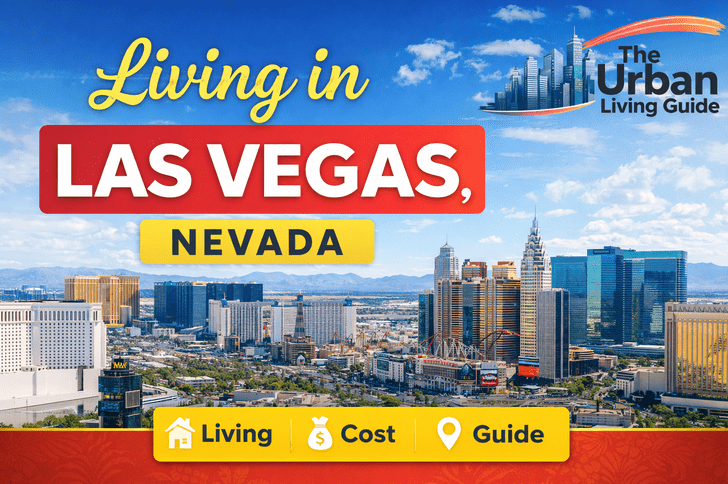
Living in Las Vegas, Nevada in 2026: The Complete Local Guide to Mojave Desert Oasis Living, Silicon Valley Influx, and Zero State Income Tax
Stretching across the sweeping high-desert basin of the southern Mojave Desert where the rugged Spring Mountains and Muddy Mountains frame the valley floor, living in Las Vegas, Nevada offers an extraordinary combination of rapid economic expansion, master-planned suburban luxury, world-class entertainment, and zero personal state income tax. As the county seat of Clark County and the premier urban engine of Nevada with an incorporated city population of approximately 650,000 residents (anchoring a massive metropolitan valley exceeding 2.3 million people), Las Vegas delivers big-city amenities paired with sun-drenched desert lifestyle advantages.
Universally celebrated across the globe as the entertainment capital of the world for its iconic neon Strip, Las Vegas commands a far deeper residential identity rooted in community master-planned design, outdoor recreation at Red Rock Canyon National Conservation Area, and continuous inward migration from across the United States. Whether you are exploring the master-planned trails of Summerlin, catching a game at Allegiant Stadium or T-Mobile Arena, or enjoying local dining along Spring Mountain Road, life here delivers an active, sun-kissed, and fiscally advantageous standard of living. Local municipal governance, public safety programs, and urban development initiatives are centrally administered through the official City of Las Vegas Government Portal under the direction of city leadership.
If you’re not familiar with the area, take a look at the map below to understand where the city is located.
Why Las Vegas Has Evolved Into America’s Fastest-Growing Residential Haven
Over recent decades, Las Vegas has captured national acclaim as a premier destination for remote executives, tech entrepreneurs, healthcare professionals, active retirees, and families seeking financial freedom without coastal housing inflation. Key factors driving its sustained popularity include:
- Zero Personal State Income Tax: A tax-friendly fiscal environment featuring 0% personal income tax, corporate franchise tax, or inheritance tax, allowing households to stretch budgets further. Explore regional tourism and economic initiatives via the official Las Vegas Convention and Visitors Authority Portal.
- World-Class Master-Planned Communities: Exceptional suburban design featuring miles of interconnected walking trails, manicured public parks, and master-planned enclaves like Summerlin and Henderson.
- Over 300 Days of Annual Sunshine: A high-desert climate that provides reliable sunshine and warm weather throughout the year.
- Rapid Economic Diversification: A booming metropolitan job market expanding beyond hospitality into healthcare, logistics, aviation, and technology.
Las Vegas At a Glance: Key Living Metrics
Famous Personalities, Local Icons & Major Brands in Las Vegas
Las Vegas boasts a proud history of nurturing legendary entertainers, global athletic champions, pop culture icons, and massive resort conglomerates:
- Elvis Presley, Wayne Newton & Celine Dion: The legendary entertainment icons who defined Las Vegas as the premier global live performance capital of the world.
- Andre Agassi & Bryce Harper: The legendary tennis champion and MLB superstar who were born, raised, and developed their athletic prowess in the Las Vegas Valley (Andre Agassi Foundation Portal).
- Las Vegas Raiders, Vegas Golden Knights & Las Vegas Aces: Championship-caliber professional sports franchises bringing premier NFL, NHL, and WNBA action to Allegiant Stadium and T-Mobile Arena (Las Vegas Raiders Official Portal).
- MGM Resorts International & Caesars Entertainment: Global resort and entertainment empires maintaining their massive corporate headquarters and operations in the valley.
Career Landscape & Major Employers in Southern Nevada
The employment landscape in Las Vegas offers professional diversity, high-paying corporate hospitality roles, and expanding technology sectors:
- Hospitality and Corporate Management: Anchored by MGM Resorts and Caesars Entertainment, supporting over 100,000 careers across corporate finance, cybersecurity, and hospitality management. Track regional workforce data via the Nevada Department of Employment, Training and Rehabilitation.
- Healthcare and Medical Systems: Driven by University Medical Center (UMC) and Sunrise Health System, delivering extensive clinical, nursing, and specialist careers.
- Technology, Aviation and Logistics: Home to green data center pioneer Switch, online retail innovators, and aerospace defense contractors supporting Nellis Air Force Base.
- Construction and Real Estate: A booming building sector driven by ongoing residential expansion across Clark County.
Housing Market Dynamics & Real Estate Overview in Las Vegas
Navigating the real estate market in Las Vegas requires understanding its master-planned community structure, HOA regulations, and suburban expansion:
- Diverse Architectural Stock: Features luxury high-rise condominiums on the Strip, custom executive estates in Summerlin, and master-planned single-family subdivisions across Henderson and Centennial Hills. Track property assessments via the Clark County Assessor Portal.
- Market Valuations: While appreciation has risen due to inward migration from coastal states, Las Vegas remains significantly more affordable than Los Angeles, San Francisco, or Seattle.
- Rental Market Inventory: Average monthly rent spans $1,200 to $1,500 for studio units, $1,400 to $1,800 for one-bedroom apartments, $1,800 to $2,400 for two-bedroom properties, and $2,800+ for single-family home rentals.
- HOA Governance: Most master-planned residential communities enforce Homeowners Association guidelines to maintain parks and aesthetic standards, with monthly dues averaging $40 to $180.
Best Neighborhoods in Las Vegas: Finding Your Ideal Community
Watch a recent video by a popular vlogger to understand daily life and vibes in Las Vegas.
What Daily Life Really Looks Like in Las Vegas (Rhythm & Vibe)
Daily life in Las Vegas is characterized by an active, suburban, and community-focused rhythm that remains entirely removed from tourist corridors:
- Morning Hiking and Outdoor Routines: Residents often start early during warm months, hiking through Red Rock Canyon National Conservation Area or walking community trails before afternoon heat peaks. Check municipal recreation schedules via the Las Vegas Parks and Recreation Portal.
- Suburban Shopping and Dining: Afternoons are frequently spent visiting outdoor lifestyle plazas like Downtown Summerlin or exploring authentic Asian dining along Spring Mountain Road in Chinatown.
- Sports and Entertainment Engagement: Attending professional hockey, football, or basketball games, or enjoying local arts festivals in the Downtown Arts District.
- Social Atmosphere: Sunny, energetic, unpretentious, highly entrepreneurial, and welcoming to newcomers from across the country.
Cost of Living Breakdown: Monthly Expenses & Salary Expectations
Commute Realities, Highway Corridors & Transit Options
Las Vegas provides exceptional arterial grid and freeway infrastructure designed for efficient valley commuting:
- RTC Southern Nevada Bus Network: Comprehensive public bus routes connecting master-planned suburbs and resort corridors (RTC Southern Nevada Official Portal).
- Interstate 15 & Interstate 215: Major freeway arteries providing rapid north-south and beltway travel across the entire metropolitan valley.
- Commute Times: Average daily local commutes remain manageable at approximately 22 to 27 minutes during standard rush hours.
- Aviation Convenience: Central proximity to Harry Reid International Airport (LAS) for seamless global travel.
Desert Climate Realities, Seasons & Environmental Factors
The environmental rhythm of Las Vegas follows a classic high-desert climate featuring extremely warm summers and mild winters:
- Intense, Sunlit Summers: Summer daytime highs routinely average 105°F to 112°F+ from June through September, requiring indoor air conditioning and water conservation compliance. Track active meteorological forecasts via the National Weather Service Las Vegas Portal.
- Mild, Pleasant Winters: Winter seasons bring daytime highs in the comfortable upper 50s and low 60s, making it a beloved sun-drenched haven.
Higher Education, Schools & Academic Excellence
Educational infrastructure stands as a vital pillar for workforce development and research innovation:
- University of Nevada, Las Vegas (UNLV): Premier public R1 research university famous for its William F. Harrah College of Hospitality and Kirk Kerkorian School of Medicine (UNLV Official Portal).
- College of Southern Nevada (CSN): The largest public higher education institution in Nevada, offering extensive associate degrees and vocational training.
- Clark County School District (CCSD): Operating numerous public and charter schools across master-planned suburban enclaves.
Healthcare Infrastructure & Regional Medical Networks
Healthcare infrastructure in Las Vegas is advanced, highly specialized, and serves as the primary medical hub for Southern Nevada:
- University Medical Center of Southern Nevada (UMC): State-designated Level 1 Trauma Center, Pediatric Trauma Center, and dedicated Burn Care Center (UMC Official Portal).
- Sunrise Hospital & Medical Center & Valley Health System: Major tertiary hospital facilities specializing in comprehensive cardiac care, neurology, and acute care medicine.
- Dignity Health St. Rose Dominican: Premier healthcare campuses anchoring medical services across Henderson.
Hospitality, Luxury Resorts & Local Culinary Scene
The hospitality and culinary identity of Las Vegas reflects world-class resort luxury, celebrity chef dining, and diverse neighborhood eateries:
- Bellagio, The Venetian & Wynn Las Vegas: Globally celebrated luxury hotel resorts offering fine dining, spa retreats, and entertainment that residents frequent for staycations (Bellagio Resort Portal).
- Chinatown & Arts District Dining: Acclaimed neighborhood restaurants along Spring Mountain Road and independent craft coffee roasters in Downtown.
Natural Wonders, National Parks & Iconic Sightseeing
Landmark natural wonders and state conservation areas significantly enhance the daily quality of life for local residents:
- Red Rock Canyon National Conservation Area: Stunning 13-mile scenic drive, hiking trails, and rock-climbing destination located just minutes west of Summerlin (Red Rock Canyon Official Portal).
- Lake Mead National Recreation Area & Mount Charleston: Sprawling recreational waters and alpine pine forests providing year-round outdoor adventure (Lake Mead Portal).
Regional Trade-offs: Pros and Cons of Living in Las Vegas
Who Is Las Vegas Ideal For — And Who Should Avoid It?
Who Las Vegas Is Ideal For
- Remote Workers and Entrepreneurs: Professionals seeking 0% state income tax and modern master-planned suburban living.
- Sports and Entertainment Fans: Individuals who prioritize live concerts, NFL football, NHL hockey, and global dining.
- Active Desert Hikers: People who love exploring Red Rock Canyon, Valley of Fire, and surrounding high-desert trails.
- Retirees Seeking Sunshine: Active adults looking for warm winter weather, golf courses, and social master-planned communities.
Who Should Avoid Las Vegas
- Extreme Heat Avoiders: Individuals who struggle with prolonged high-desert summer temperatures exceeding 105°F.
- Lush Green Rain-Lovers: Residents seeking traditional green forest landscapes, high humidity, and frequent rainfall.
- Car-Free Urbanists: People requiring extensive urban subway rapid transit systems without driving.
- Historic Eastern-Style City Seekers: Those looking for ultra-dense, walkable 19th-century pedestrian city grids.
Real Experiences: Perspectives from Long-Term Residents (5 to 10+ Years)
“Moving to Summerlin ten years ago from California was the best financial and lifestyle decision we’ve ever made. Keeping our state income tax savings, having incredible walking trails right outside our door, and being minutes from Red Rock Canyon is unbeatable. Summers get scorching hot, but you learn to enjoy early mornings, and the rest of the year is absolute paradise.”
[Source: r/vegas Community Discussions — u/SummerlinExecutive08, resident of 11 years]
“The big reality check for newcomers is learning to budget for the July and August electric bills when the AC runs non-stop. However, once you adjust to the climate, the quality of life is fantastic. The Henderson schools are great for kids, the dining scene off the Strip is world-class, and you simply cannot beat the overall tax freedom.”
[Source: Local Resident Panels & Community Forums — David K., Green Valley homeowner of 9 years]
Frequently Asked Questions About Living in Las Vegas, Nevada
Is living in Las Vegas, Nevada expensive compared to California?
No. Overall housing prices, real estate taxes, and living costs in Las Vegas sit 25% to 40% lower than major California metros, paired with zero personal state income tax.
What salary is needed to live comfortably when living in Las Vegas?
A single adult needs an annual income of approximately $65,000 to rent a comfortable apartment and handle utilities, while families typically require $95,000 to $110,000 to purchase a single-family home.
Is Las Vegas safe for raising a family?
Yes. Master-planned suburban cities like Henderson and communities like Summerlin consistently rank among the safest residential areas in the United States, featuring parks and top-rated schools.
Do you need a car when living in Las Vegas, Nevada?
Yes. While RTC Southern Nevada provides public bus routes, the valley is geographically spread out, making personal vehicles necessary for efficient daily errands and commuting.
How far is Harry Reid International Airport from suburban neighborhoods?
The airport is centrally located and sits approximately a 12-minute drive from Henderson, 20 minutes from Summerlin, and 15 minutes from Centennial Hills.
What are the tax advantages of living in Las Vegas, Nevada?
Nevada charges no personal state income tax, no corporate income tax, no franchise tax, and maintains low property tax rates compared to the national average.
🔗 Explore More Cities in Nevada
If you’re evaluating relocation options across Southern and Northern Nevada, explore our other detailed city guides:
- Living in Henderson, Nevada
- Living in Reno, Nevada
- Living in North Las Vegas, Nevada
- Living in Carson City, Nevada
If you want to know more about living in Las Vegas, explore these guides:
- Cost of Living in Las Vegas, Nevada
- Pros and Cons of Living in Las Vegas, Nevada
- Best Neighborhoods in Las Vegas, Nevada
For a complete overview, check our full guide: Moving to Las Vegas, Nevada
These guides give you a complete picture of what it’s like living across different cities, covering everything from cost of living, housing, and job opportunities to neighborhoods, commute, weather, education, popular places, and major employers.
The Urban Living Guide brings together these local insights in one place, helping you compare cities easily and make a confident, well-informed decision based on your lifestyle and goals.