

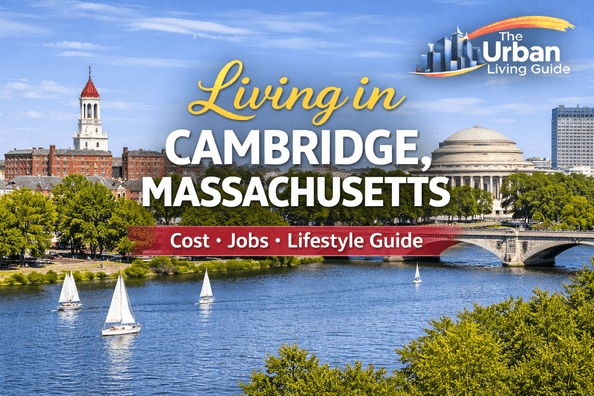
Living in Cambridge, Massachusetts in 2026: The Complete Local Guide to Kendall Square Biotech, Harvard & MIT Heritage, and Innovation-Driven Urban Living
Situated directly across the sparkling waters of the Charles River from Boston, living in Cambridge, Massachusetts offers an extraordinarily vibrant and intellectually intense urban experience. As a globally recognized epicenter for higher education, scientific research, and biotechnology, this historic municipality of approximately 120,000 residents commands an international reputation that extends far beyond its compact geographic footprint.
Anchored by the legendary campuses of Harvard University and the Massachusetts Institute of Technology (MIT), Cambridge effortlessly blends 17th-century colonial history with the fast-paced innovation of Kendall Square. Whether you are strolling through the brick-lined courtyards of Harvard Square or cycling along the Charles River Esplanade, the city delivers a sophisticated, walkable standard of living that continually attracts world-class scientists, entrepreneurs, and academics.
Municipal governance, public safety initiatives, and community programs are centrally administered through the official City of Cambridge Government Portal.
If this city is new to you, use the map below to see exactly where it’s located and what’s nearby within the Greater Boston urban core.
All quantitative metrics, economic indicators, and neighborhood insights compiled within this living guide are synthesized from official municipal records, regional economic boards, and verified long-term resident feedback.
What Makes Cambridge So Popular & Unique
Over recent decades, Cambridge has cemented its status as one of the most intellectually stimulating and economically powerful cities in the United States. Key factors driving its sustained popularity include:
- World-Class Academic Institutions: Home to globally revered universities that foster a culture of perpetual innovation and intellectual discovery. Explore regional education and tourism initiatives via the Massachusetts Office of Travel and Tourism Portal.
- Global Biotechnology Capital: Anchored by Kendall Square, widely celebrated as “the most innovative square mile on the planet” for its dense cluster of life sciences firms and research labs.
- Unrivaled Walkability and Transit: Meticulously planned pedestrian corridors, extensive bike greenways, and seamless MBTA subway connectivity.
- Historic and Cultural Richness: Centuries-old architecture, independent bookstores, theaters, and a dynamic arts community lining every neighborhood ward.
Cambridge at a Glance: Key Living Metrics
| Evaluation Metric | Local Data Overview & Regional Reality |
|---|---|
| Population | Approx. 120,000 within city limits (Dense intellectual and urban density) |
| Median Monthly Rent | Ranges from $2,400 to $4,800+ depending on unit size and campus proximity |
| Average Annual Salary | Typically spans $90,000 to $160,000+ across biotech, technology, and research sectors |
| Primary Economic Pillars | Biotechnology, life sciences, software engineering, higher education, and venture capital |
| State Income Tax | Flat state income tax structure set at 5.0% across Massachusetts |
| Average Summer High | Routinely reaches 80°F to 88°F during warm July and August afternoons |
| Primary Transit Mode | MBTA Red Line subway, extensive bike networks, and pedestrian-first street grids |
Famous Personalities, Local Icons & Major Brands in Cambridge
Cambridge has a storied legacy of cultivating legendary technology visionaries, world-class philosophers, and revolutionary biotech enterprises:
- Mark Zuckerberg: The billionaire tech entrepreneur and Meta founder who famously launched Facebook from his Harvard University dormitory room (Meta Official Portal).
- Bill Gates: The Microsoft co-founder and global philanthropist who spent his formative academic years studying mathematics and computer science at Harvard.
- Noam Chomsky: The world-renowned linguist, cognitive scientist, and social philosopher who spent decades shaping intellectual discourse as a professor at MIT.
- Moderna: A pioneering biotechnology and pharmaceutical giant headquartered in Kendall Square, famous for developing life-saving mRNA vaccines (Moderna Official Portal).
- Biogen & Akamai Technologies: Global pioneers in neuroscience and cloud computing maintaining sprawling corporate operations in the city (Akamai Technologies Portal).
Job Market & Business Opportunities with Major Employers
The employment landscape in Cambridge offers exceptional compensation packages, rapid career mobility, and groundbreaking professional opportunities:
- Biotechnology and Life Sciences: Thousands of high-paying research, laboratory, and executive positions centered around Kendall Square and local startup incubators.
- Software Engineering and Tech: Major engineering offices and tech corporations driving artificial intelligence, cloud infrastructure, and digital innovation.
- Higher Education & Academic Research: Harvard University and MIT providing extensive faculty, administrative, and scientific research careers.
- Venture Capital and Consulting: Elite financial advisory firms and venture funds financing the next wave of global scientific breakthroughs.
Housing & Real Estate Overview in Cambridge
Navigating the real estate market in Cambridge requires understanding intense global demand, strict zoning protections, and high property valuations:
- Varied Housing Stock: Features historic Victorian homes near Harvard Square, brick row houses in residential wards, and ultra-modern high-rise apartments in Kendall Square. Track municipal property assessments via the City Assessing Department Portal.
- High Market Valuations: Severe housing supply constraints driven by university student populations and high-tech migration keep home prices and rental rates among the highest in the state.
- Rental Market Inventory: Average monthly rent spans $2,400 to $2,900 for studio units, $2,900 to $3,600 for one-bedroom apartments, $3,800 to $4,800 for two-bedroom properties, and $4,800 to $6,500+ for single-family rental homes.
- Competitive Leasing: Rapid turnover and high lease demand require prospective residents to move quickly when desirable properties become available.
Best Neighborhoods in Cambridge: Finding Your Ideal Community
| Neighborhood Name | Vibe & Lifestyle Character | Housing & Price Profile |
|---|---|---|
| Harvard Square | Iconic historic cultural hub filled with historic bookstores, cafes, theaters, and university architecture. | Historic brick apartments, brownstone condos, and premium valuations. |
| Kendall Square | World-famous technology and innovation district featuring modern high-rises, research labs, and upscale dining. | Luxury high-rise apartments, modern corporate lofts, and top-tier pricing. |
| Central Square | Eclectic, high-energy neighborhood known for vibrant nightlife, live music venues, and diverse global eateries. | Urban apartments, multi-family character homes, and competitive rental rates. |
| Porter Square | Quieter residential environment offering convenient transit access, shopping plazas, and Japanese eateries. | Mid-century apartments, single-family houses, and stable residential pricing. |
| Inman Square | Charming neighborhood popular for independent restaurants, specialty shops, and tight-knit community feel. | Triple-decker houses, historic homes, and active market demand. |
Watch a recent video by a popular vlogger to understand daily life and vibes in Cambridge.
What It’s Really Like Living in Cambridge (Daily Life & Vibe)
Daily existence in Cambridge is defined by an energetic, deeply intellectual, and culturally progressive rhythm:
- Active Riverside & Green Space Routines: Residents spend weekends jogging, cycling, or walking along the scenic Charles River Esplanade and exploring local parks. Explore park guidelines via the Cambridge Parks & Recreation Department Portal.
- Intellectual & Literary Exploration: Attending public lectures, visiting world-class university museums, and browsing legendary independent bookstores.
- Global Culinary & Cafe Culture: Evenings feature innovative farm-to-table dining, specialty coffee roasters, and authentic international bistros across city squares.
- Social Atmosphere: Highly educated, progressive, fast-paced, and deeply passionate about science, art, and civic sustainability.
Cost of Living in Cambridge: Monthly Expenses & Salary Needs
The cost of living in Cambridge sits substantially above national averages, reflecting its booming innovation economy and elite academic positioning:
- Housing Overhead: $2,900 to $4,800+ covering standard apartment rentals across popular neighborhood squares. Review regional economic data via the Bureau of Labor Statistics Northeast Information Office.
- Utilities & Power: $150 to $250 monthly for electricity, heating, water, and municipal waste services.
- Groceries & Household Goods: $400 to $700 depending on shopping preferences between local organic markets and major supermarkets.
- Transportation Expenses: $100 to $250 covering MBTA transit passes and bicycle maintenance.
- Required Household Income: Single professionals or working households typically require an annual income between $100,000 and $150,000+ to comfortably cover local living expenses and savings goals.
Transportation, Commute Dynamics & Transit Realities
Cambridge offers exceptional public transportation infrastructure that makes car-free living exceptionally practical:
- MBTA Red Line Subway: Rapid transit rail service connecting Cambridge directly to Boston, South Station, and outer suburban lines (MBTA Official Transit Portal).
- Comprehensive Bus Networks: Frequent bus lines operating across all commercial squares and residential corridors.
- Bicycle-First Infrastructure: Extensive network of protected bike lanes and multi-use paths making cycling a primary daily transit mode.
- Commute Times: Average daily commutes range between 20 and 35 minutes, supported by exceptional pedestrian walkability.
Weather Patterns, Seasonal Realities & Climate Factors
The environmental rhythm of Cambridge follows a classic New England humid continental climate:
- Warm Summers: Summer daytime high temperatures routinely average 75°F to 85°F, offering beautiful weather for outdoor riverside activities.
- Snowy Winters: Winter seasons bring freezing temperatures, crisp air, and moderate snowfall, transforming historic brick courtyards into serene winter wonderlands. Track active forecasts via the National Weather Service Boston-Cambridge Portal.
-
Splendid Transition Seasons: Spring and autumn deliver vibrant New England foliage changes and pleasant crisp weather across university quads.
Education, Schools & Major Universities
Educational excellence stands as the foundational cornerstone of identity and global influence across the city:
- Harvard University: The oldest and most famous institution of higher learning in the United States, shaping global leaders and scholarship (Harvard University Official Portal).
- Massachusetts Institute of Technology (MIT): A global powerhouse for science, engineering, and technological innovation (MIT Official Portal).
- Lesley University: Respected private university offering specialized education, arts, and human services degree programs (Lesley University Official Portal).
- Cambridge Public Schools: Operating innovative elementary, middle, and high school facilities focused on academic rigor and equity.
Medical Facilities, Hospitals & Healthcare Systems
Healthcare infrastructure in Cambridge is advanced, accessible, and supported by elite regional medical networks:
- Mount Auburn Hospital: A premier 200+ bed teaching hospital affiliated with Harvard Medical School, offering comprehensive emergency care, surgery, and family medicine (Mount Auburn Hospital Portal).
- Cambridge Health Alliance (CHA): Comprehensive public healthcare system delivering community-based primary care, mental health services, and specialty medicine.
- Boston Medical Proximity: Immediate access to world-renowned teaching hospitals across the river in Boston, including Massachusetts General Hospital.
Popular Hotels, Cafes, Dining & Culinary Scene
The hospitality and culinary identity of Cambridge reflects intellectual sophistication, historic elegance, and global dining:
- The Charles Hotel: Sophisticated luxury boutique hotel situated in Harvard Square, offering upscale New England hospitality, live jazz, and acclaimed dining (The Charles Hotel Portal).
- Kimpton Marlowe Hotel: Contemporary waterfront hotel offering scenic Charles River views, complimentary kayaks, and refined urban accommodations.
- Bustling Square Cafes: Independent bookstores, historic coffee houses, and artisan bakeries lining Harvard Square and Inman Square.
Sightseeing, Cultural Spots & Tourist Attractions
Landmark cultural institutions and historic destinations significantly enhance the daily quality of life for local residents:
- MIT Museum: Cutting-edge interactive museum showcasing artificial intelligence, robotics, and design innovation in Kendall Square (MIT Museum Portal).
- Mount Auburn Cemetery: Historic 175-acre landscaped garden cemetery offering stunning Victorian horticulture, walking paths, and panoramic tower views.
- Harvard Art Museums: World-class university art galleries housing millions of historic masterworks across centuries of global culture.
Regional Trade-offs: Pros and Cons of Living in Cambridge
Pros of Living in Cambridge
- World-class academic environment anchored by Harvard University and MIT.
- Global biotechnology and life sciences job market offering exceptional salaries.
- Exceptional walkability, bike-friendly infrastructure, and MBTA subway connectivity.
- Vibrant intellectual culture, bookstores, cafes, and diverse arts scenes.
- Safe neighborhoods with strong community civic engagement.
Cons of Living in Cambridge
- Extremely high housing purchase prices and monthly rental rates.
- Fierce leasing competition driven by university students and tech professionals.
- Freezing winter temperatures, snowstorms, and seasonal weather demands.
- Limited residential parking availability across historic squares.
- High overall cost of living impacting everyday dining and services.
Who Is Cambridge Ideal For — And Who Should Avoid It?
Who Cambridge Is Ideal For
- Biotech and Tech Professionals: Scientists, software engineers, and entrepreneurs seeking careers in Kendall Square.
- Academics and Researchers: Professors, fellows, and students connected to Harvard and MIT.
- Car-Free Urbanites: Individuals who value walking, cycling, and rapid subway transit over automobile ownership.
- Culture and Book Enthusiasts: Residents who appreciate historic bookstores, lectures, theater, and intellectual community.
Who Should Avoid Cambridge
- Budget-Conscious Renters: Individuals seeking low-cost housing or bargain real estate markets on modest financial budgets.
- Warm-Weather Seekers: People who despise freezing winter temperatures, snowstorms, and extended seasonal chill.
- Sprawling Space Seekers: Homebuyers looking for massive suburban estates, sprawling yards, and large acreage on standard budgets.
- Car-Centric Commuters: Residents who refuse to use public transit and require effortless highway parking in dense urban districts.
Real Experiences: Perspectives from Long-Term Residents (5 to 10+ Years)
“Living near Inman Square for over seven years has been an incredible intellectual adventure. You can walk to independent coffee shops, bike to work in Kendall Square without ever touching a car, and attend lectures featuring world-leading thinkers. Housing costs are undeniably high, but the energy, career opportunities, and walkability make it worth every penny.”
[Source: r/cambridgema Community Discussions — synthesized/paraphrased]
“The big reality check for newcomers is learning to navigate the intense rental market and budgeting for high rent. However, the trade-off is completely worth it. The Charles River paths are gorgeous, the biotech job market is bulletproof, and the city has a creative, progressive spirit that keeps you endlessly engaged.”
[Source: Local Resident Panels & Community Forums — synthesized/paraphrased]
Frequently Asked Questions About Living in Cambridge, Massachusetts
Is Cambridge expensive to live in compared to other U.S. cities?
Yes, Cambridge maintains one of the highest costs of living and housing markets in Massachusetts and the United States, driven by intense demand from tech professionals and academics.
What level of annual salary do individuals need to live comfortably in Cambridge?
Most single professionals and households require an annual income between $100,000 and $150,000+ to comfortably cover high housing costs, utilities, transportation, and discretionary spending.
Can residents successfully live in Cambridge without owning a personal vehicle?
Yes. Many residents live entirely car-free by utilizing the MBTA Red Line subway, comprehensive bus routes, extensive bike lanes, and highly walkable neighborhood squares.
What are the best residential neighborhoods to consider in Cambridge?
Top neighborhoods include Harvard Square for historic academic energy, Kendall Square for biotech innovation, Central Square for nightlife and dining, Porter Square for transit convenience, and Inman Square for community charm.
How does commuting work for professionals working across Cambridge and Boston?
Commuters primarily utilize the MBTA Red Line or walk and bike across the Charles River bridges, experiencing average commute times of around 20 to 35 minutes.
What are the primary natural and cultural highlights of Cambridge?
Residents enjoy walking the Charles River Esplanade, exploring interactive exhibits at the MIT Museum, touring Mount Auburn Cemetery, and browsing historic shops in Harvard Square.
🔗 Explore More Cities in Massachusetts
Looking beyond Cambridge? The Urban Living Guide has also covered multiple popular cities across Massachusetts that you can explore further:
- Living in Boston, Massachusetts
- Living in Worcester, Massachusetts
- Living in Springfield, Massachusetts
- Living in Lowell, Massachusetts
If you want to know more about living in Cambridge, explore these guides:
- Cost of Living in Cambridge, MA
- Pros and Cons of Living in Cambridge, MA
- Best Neighborhoods in Cambridge, MA
For a complete overview, check our full guide: Moving to Cambridge, MA
These city guides provide detailed insights into everyday living, including housing costs, employment opportunities, neighborhoods, commute options, climate, education, local attractions, and key industries shaping each city.
By bringing all these insights together, The Urban Living Guide helps you compare different cities side by side and choose the one that aligns best with your lifestyle, priorities, and long-term goals.