
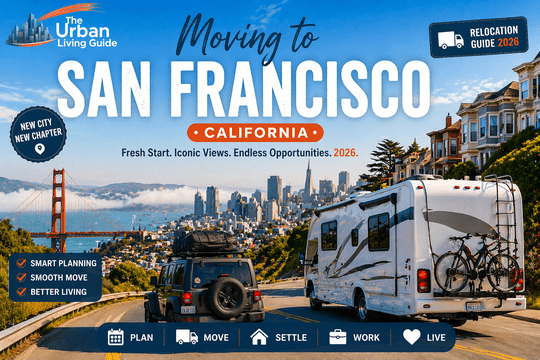
Moving to San Francisco, California – What to Expect
San Francisco is one of the most dynamic and opportunity-driven cities in the United States. If you’re planning on moving to San Francisco, California, you’re likely looking at strong career prospects, a unique urban lifestyle, and access to one of the world’s top innovation hubs.
However, relocation here isn’t just about opportunity—it’s about preparation. The city is compact, expensive, and highly competitive when it comes to housing and jobs.
Many people moving here often notice that everything moves fast—from rental listings to job opportunities. If you’re relocating to San Francisco, being well-prepared can make a significant difference.
👉 Watch a local relocation video to understand real-life moving challenges and experiences in San Francisco –
Where Are You Moving From?
Your relocation experience depends heavily on your starting point, and planning varies accordingly.
Same State Move (Within California)
Short distance • Lower cost • Flexible scheduling
Moving within California—especially from nearby cities—can often be completed within a day. Many people choose rental trucks or small moving services for convenience.
Interstate Move (Another US State)
Higher cost • Advance booking needed • Movers recommended
Relocating from states like Texas or New York requires more structured planning. Booking movers early is important due to high demand in San Francisco.
Long Distance / Cross Country Move
Complex logistics • Longer timelines • Storage often required
Cross-country moves require coordination, scheduling, and sometimes temporary storage. Delivery windows and delays should be factored into your plan.
If you’re moving from a suburban or less dense area, San Francisco may feel compact and fast-paced. For those coming from major cities, the adjustment is usually easier.
Who Should Move (and Who Should Avoid)
Best for tech professionals • Entrepreneurs • High-income earners
Great for networking and career growth
Ideal for urban lifestyle seekers
Not ideal for budget-conscious movers • Those needing large living spaces • Quiet lifestyle seekers
San Francisco is ideal for people who prioritize opportunity and career advancement. However, it may not suit those looking for affordability or space.
Moving Process & Transportation Planning
Relocating to San Francisco requires careful execution due to city-specific challenges like limited parking, narrow streets, and building access rules.
Local vs Interstate Moves
Local moves = faster but require coordination
Interstate moves = planning, scheduling, and cost management
Even local moves can be tricky because of access restrictions and parking limitations.
DIY vs Hiring Movers
DIY = lower cost but challenging in dense areas
Movers = convenient but more expensive
DIY moving can be difficult in San Francisco due to tight streets and building rules. Many people prefer hiring movers to simplify the process.
Professional movers typically handle packing, transport, and unloading—saving time and effort.
Truck Size Guide
Studio / 1BHK → 10–16 ft trucks
2–3 Bedroom → 20–26 ft trucks
In San Francisco, smaller trucks are often more practical due to limited parking and narrow streets.
Most rental providers offer:
- Compact urban-friendly trucks
- Moving equipment like dollies and straps
- Insurance coverage options
Cost Overview
Local → $500 to $1,500
Interstate → $3,000 to $8,000+
Costs are higher compared to most cities due to demand and logistical challenges.
One thing that surprises newcomers is how parking permits and building regulations can affect both cost and timing.
Housing Strategy Before & After Moving
Temporary stay recommended • Explore before committing • Avoid rushed decisions
San Francisco’s housing market is highly competitive. Many people prefer short-term rentals before signing a lease.
Common options include:
- Airbnb
- Extended stay accommodations
Locals usually recommend exploring neighborhoods in person before making a decision.
Storage & Setup Essentials
Storage can be helpful, especially if your move-in timing doesn’t align perfectly.
Storage Options
Short-term units • Flexible contracts • Useful for smaller apartments
Due to limited space, many residents continue using storage even after moving in.
Utilities Setup Timeline
Electricity & water → pre-scheduled
Internet → early booking required
Gas → quick activation
Setting up utilities in advance helps avoid delays during your move.
First Few Weeks After Moving (Reality Check)
High rent • Compact living spaces • Adjustment period required
Many newcomers don’t realize how small living spaces can be compared to other cities. Rent is high, and adapting to a compact lifestyle takes time.
Commute distances may be short, but travel time can still vary depending on transport.
Things to Know Before Moving
Cool weather year-round • High cost of living • Public transport available • Space limitations
Understanding these factors early helps avoid surprises after relocation.
Jobs & Income Outlook
San Francisco continues to offer strong opportunities in:
Technology • Startups • Finance • Creative industries
While salaries are high, competition is equally intense.
Quick Moving Checklist
30 Days Before
- Book movers
- Start packing
- Research housing
1 Week Before
- Confirm bookings
- Pack essentials
- Set up utilities
Moving Day
- Start early
- Manage parking access
- Final inspection
Final Verdict – Is Moving to San Francisco Worth It?
If you’re focused on career growth, networking, and living in a high-opportunity environment, San Francisco is worth it.
However, success here depends on planning, budgeting, and adaptability.
FAQs
Is it expensive to move to San Francisco?
Yes, relocation costs are high due to housing demand, moving expenses, and overall living costs.
Is housing difficult to find in San Francisco?
Yes, the market is competitive. Temporary stays can help you find better long-term options.
Do I need a car in San Francisco?
Not necessarily. Public transport is widely used, though it depends on your lifestyle.
How long does relocation take?
Local moves take a few days, while interstate moves can take up to two weeks.
Is San Francisco a good place to move to?
Yes, especially for professionals, but it requires proper financial planning.
Explore more insights about this city before making your move
- Living in San Francisco
- Cost of Living in San Francisco
- Pros and Cons of Living in San Francisco
- Best Neighborhoods in San Francisco
*Costs mentioned are indicative and may vary based on location, lifestyle, and current market trends.