

Living in Portland, Oregon in 2026: The Complete Local Guide to City of Roses Culture, Pacific Northwest Wilderness, and Creative Urban Living
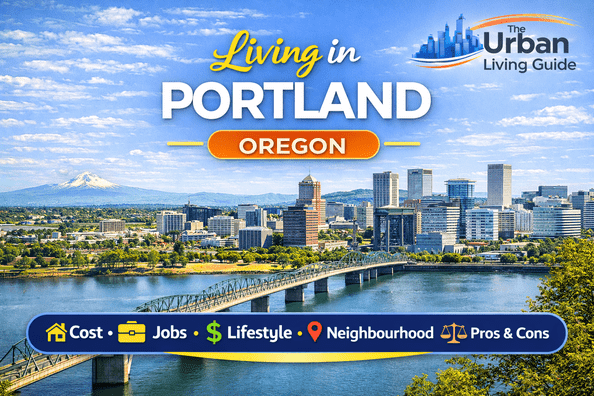
Stretching across the lush riverbanks where the Willamette River and Columbia River converge in the Pacific Northwest, living in Portland, Oregon offers an extraordinary fusion of untamed wilderness access, progressive urban design, and a fiercely independent creative culture. As the largest municipality in Oregon with a population of approximately 635,000 residents, Portland anchors a thriving metropolitan basin framed by towering evergreen forests and volcanic mountain peaks.
Universally celebrated as “The City of Roses,” Portland is renowned for its mild oceanic climate, award-winning public rose gardens, and a vibrant community identity driven by sustainable living, iconic food cart pods, and craft breweries. Whether you are cycling past the historic brick warehouses of the Pearl District, hiking through the shaded trails of the massive Forest Park within city limits, or catching sweeping views of the Cascade Range, living here delivers a uniquely green, art-infused standard of living. Municipal governance, public safety programs, and community initiatives are centrally administered through the official City of Portland Government Portal under the leadership of Mayor Ted Wheeler.
If you’re not familiar with the area, take a look at the map below to understand where the city is located within the Pacific Northwest.
All quantitative metrics, economic data points, and community insights compiled within this living guide are synthesized from official municipal records, regional economic boards, and verified long-term resident feedback.
What Makes Portland So Popular & Unique
Over recent decades, Portland has captured international attention as a model for progressive urbanism, environmental sustainability, and counter-culture creativity. Key factors driving its sustained popularity include:
- Unmatched Proximity to Nature: Immediate access to natural wonders like Mount Hood, the Columbia River Gorge, and miles of urban forest reserves. Explore regional tourism initiatives via the Travel Portland Official Tourism Portal.
- World-Class Cycling & Transit Infrastructure: An award-winning network of bike lanes, greenways, and public transit anchored by the MAX Light Rail system.
- Legendary Culinary & Craft Scene: A nationally celebrated food culture encompassing hundreds of eclectic food cart pods, artisan coffee roasters, and independent microbreweries.
- Thriving Creative & Tech Economy: A dynamic job market fueled by sportswear giants, tech manufacturing, and independent makers.
Portland at a Glance: Key Living Metrics
| Evaluation Metric | Local Data Overview & Regional Reality |
|---|---|
| Population | Approx. 635,000 within municipal city limits (Greater metro area exceeds 2.5 million) |
| Median Monthly Rent | Ranges from $1,300 to $3,100+ depending on unit size and neighborhood district |
| Average Annual Salary | Typically spans $70,000 to $120,000 across technology, sportswear, and healthcare sectors |
| Primary Economic Pillars | Semiconductors and technology, athletic apparel and sportswear, healthcare, sustainability, and tourism |
| State Income Tax | Progressive state income tax structure ranging up to 9.9% across Oregon (no state sales tax) |
| Average Summer High | Routinely reaches 75°F to 85°F during comfortable, sun-drenched July and August afternoons |
| Primary Transit Mode | MAX Light Rail system, TriMet bus network, and extensive bike greenways |
Famous Personalities, Local Icons & Major Brands in Portland
Portland has a proud history of nurturing alternative rock icons, legendary animation creators, and global athletic apparel empires:
- Courtney Love: The influential musician, actress, and alternative rock icon who spent foundational years immersed in Portland’s gritty underground music scene.
- Matt Groening: The visionary cartoonist and creator of The Simpsons and Futurama, who grew up in Portland and drew heavy inspiration from local street names.
- Damian Lillard: The legendary NBA superstar and clutch shooter who spent over a decade leading the Portland Trail Blazers with electrifying performances (Portland Trail Blazers Official Portal).
- Nike Headquarters (Beaverton): The world headquarters of the global athletic apparel and footwear juggernaut, driving massive economic influence across the metropolitan area (Nike Official Portal).
- Columbia Sportswear & Intel: Major corporate leaders maintaining massive corporate operations and advanced semiconductor manufacturing in the region (Columbia Sportswear Portal).
Job Market & Business Opportunities with Major Employers
The employment landscape in Portland offers diverse professional opportunities, high average salaries, and strong innovation sectors:
- Technology and Semiconductor Manufacturing: Part of the famed “Silicon Forest,” supporting thousands of engineering, software, and hardware design careers.
- Athletic Apparel and Sportswear: Global creative headquarters for Nike, Adidas North America, and Columbia Sportswear driving footwear and fashion design roles.
- Healthcare and Medical Research: Major research hospitals and healthcare systems delivering extensive clinical, nursing, and biomedical research employment.
- Green Energy and Sustainability: A thriving sector dedicated to clean technology, renewable energy development, and environmental engineering.
Housing & Real Estate Overview in Portland
Navigating the real estate market in Portland requires understanding its neighborhood diversity, historic preservation, and urban growth boundaries:
- Diverse Architectural Stock: Features Victorian and craftsman homes in historic neighborhoods, luxury loft apartments in the Pearl District, and modern developments throughout East Portland. Track property assessments via the Multnomah County Assessor Portal.
- Market Valuations: Strong desirability and geographical growth boundaries have elevated property values and rental rates over past decades, rewarding long-term homeowners.
- Rental Market Inventory: Average monthly rent spans $1,300 to $1,700 for studio units, $1,600 to $2,200 for one-bedroom apartments, $2,200 to $3,100 for two-bedroom properties, and $3,200 to $5,200+ for single-family home rentals.
- Suburban Alternatives: Surrounding cities like Beaverton and Hillsboro offer alternative housing options with strong transit connections.
Best Neighborhoods in Portland: Finding Your Ideal Community
| Neighborhood Name | Vibe & Lifestyle Character | Housing & Price Profile |
|---|---|---|
| Pearl District | Trendy, upscale downtown district known for converted industrial lofts, art galleries, and fine dining. | Luxury loft apartments, high-rise condos, and premium urban valuations. |
| Alberta Arts District | Creative, bohemian neighborhood celebrated for vibrant street murals, independent galleries, and cafes. | Bungalows, renovated homes, and artistic community pricing. |
| Sellwood-Moreland | Historic residential neighborhood nestled near the Willamette River, featuring antique shops and parks. | Historic craftsman homes, quiet residential blocks, and stable valuations. |
| Nob Hill (Alphabet District) | Charming northwest district packed with historic Victorian homes, boutiques, and sidewalk cafes. | Historic multi-family homes, upscale apartments, and competitive pricing. |
| Hawthorne | Eclectic, vibrant eastside neighborhood famous for vintage clothing boutiques, vintage theaters, and eateries. | Craftsman houses, duplexes, and vibrant neighborhood valuations. |
Watch a recent video by a popular vlogger to understand daily life and vibes in Portland.
What It’s Really Like Living in Portland (Daily Life & Vibe)
Daily life in Portland is defined by an active, eco-conscious, and creatively driven rhythm that celebrates the outdoors:
- Active Weekend Trail Routines: Residents spend weekends hiking through the 5,000-acre Wildwood Trail network in Forest Park or taking weekend trips to Mount Hood. Explore park guidelines via the Portland Parks and Recreation Portal.
- Coffee & Food Pod Culture: Mornings begin at artisan coffee roasting houses, followed by afternoon visits to neighborhood food cart pods serving global street food.
- Arts and Festival Engagement: Participating in vibrant local art walks, summer music festivals, and community craft fairs throughout the city.
- Social Atmosphere: Progressive, eco-friendly, intellectually curious, and fiercely supportive of local independent businesses (“Keep Portland Weird”).
Cost of Living in Portland: Monthly Expenses & Salary Needs
The cost of living in Portland sits moderately above the national average, reflecting its high quality of urban infrastructure and environmental amenities:
- Housing Overhead: $1,900 to $3,100+ covering standard apartment rentals across popular districts. Review regional economic data via the Bureau of Labor Statistics Western Information Office.
- Utilities & Power: $150 to $240 monthly for electricity, heating, water, and municipal waste services, with moderate heating needs in winter.
- Groceries & Household Goods: $350 to $520 depending on household size and shopping choices between organic co-ops and supermarkets.
- Transportation Expenses: $120 to $200 covering TriMet transit passes, fuel, and vehicle maintenance.
- Required Household Income: Single professionals or working households typically require an annual income between $80,000 and $100,000 to comfortably cover local living expenses and savings goals.
Transportation, Commute Dynamics & Transit Realities
Portland provides exceptional public transportation infrastructure that makes car-free living entirely feasible across central districts:
- MAX Light Rail System: Rapid transit light rail lines connecting Portland directly to the airport, suburbs, and downtown core (TriMet MAX Light Rail Portal).
- Extensive Bike Networks: World-class bike lanes, greenways, and bridge crossings designed specifically for bicycle commuters.
- Highway Connectivity: Excellent freeway access via Interstate 5 and Interstate 84, ensuring smooth regional travel.
- Commute Times: Average daily commutes hover around a manageable 26 minutes during standard hours.
- Aviation Convenience: Proximity to award-winning Portland International Airport (PDX) for domestic and international travel (PDX Airport Official Portal).
Weather Patterns, Seasonal Realities & Climate Factors
The environmental rhythm of Portland follows a classic Pacific Northwest oceanic climate featuring mild, dry summers and cool, rainy winters:
-
- Warm, Pleasant Summers: Summer daytime high temperatures routinely average 75°F to 85°F with very low humidity, providing magnificent weather for outdoor dining and hiking.
- Cool, Rainy Winters: Winter seasons bring consistent overcast skies and gentle rainfall rather than heavy blizzards, keeping the surrounding landscape intensely green. Track active forecasts via the National Weather Service Portland Portal.
Education, Schools & Major Universities
Educational infrastructure stands as a premier anchor for academic excellence, scientific research, and workforce development:
- Portland State University (PSU): A prominent urban research university offering comprehensive undergraduate and graduate programs downtown (Portland State University Official Portal).
- Oregon Health & Science University (OHSU): A world-class medical school and research institution leading advanced healthcare innovation (OHSU Official Portal).
- University of Portland: Respected private university providing exceptional liberal arts and professional programs.
- Portland Public Schools: Operating numerous neighborhood schools focused on academic achievement and environmental education.
Medical Facilities, Hospitals & Healthcare Systems
Healthcare infrastructure in Portland is advanced, highly specialized, and anchored by premier regional medical networks:
- Oregon Health & Science University (OHSU) Hospital: Premier academic medical center and level-one trauma facility perched atop Marquam Hill, delivering groundbreaking clinical care (OHSU Hospital Portal).
- Providence Health & Services & Legacy Health: Major regional hospital networks operating comprehensive acute care hospitals, emergency rooms, and specialty clinics.
- Specialized Outpatient Centers: Extensive network of community health clinics and holistic medical practices across every neighborhood ward.
Popular Hotels, Cafes, Dining & Culinary Scene
The hospitality and culinary identity of Portland reflects historic boutique hotel elegance, artisan coffee mastery, and world-class food cart culture:
- The Nines Hotel: Sophisticated luxury boutique hotel located in downtown Portland, featuring striking contemporary art, fine dining, and refined hospitality (The Nines Hotel Portal).
- Heathman Hotel & Kimpton RiverPlace Hotel: Historic luxury accommodations offering timeless Pacific Northwest elegance and riverfront views.
- Food Cart Pods & Breweries: Acclaimed neighborhood pods and microbreweries serving innovative street food and craft beers.
Sightseeing, Cultural Spots & Tourist Attractions
Landmark cultural institutions and natural wonders significantly enhance the daily quality of life for local residents:
- Washington Park & International Rose Test Garden: Sprawling urban park housing thousands of rose varieties, scenic viewpoints, and the world-renowned Portland Japanese Garden (Washington Park Portal).
- Powell’s City of Books: The legendary independent bookstore occupying an entire city block, serving as a global literary landmark in downtown Portland (Powell’s Books Official Portal).
- Pittock Mansion: Historic 1914 French Renaissance-style chateau perched high in the West Hills, offering breathtaking panoramic views of the city skyline and Mount Hood.
Regional Trade-offs: Pros and Cons of Living in Portland
Pros of Living in Portland
- Unmatched access to stunning natural landscapes, forests, rivers, and mountains right outside the city.
- Vibrant arts, music, food cart, and craft brewery culture supporting independent makers.
- Award-winning public transportation and bike-friendly greenway infrastructure.
- Strong technology, creative, and athletic apparel industries offering diverse careers.
- Progressive, environmentally conscious community committed to sustainability.
Cons of Living in Portland
- Overcast skies and steady winter rainfall lasting through several months.
- Rising housing costs and rental rates driven by high demand and urban growth boundaries.
- Traffic congestion along major highway corridors during peak commuting hours.
- Urban camping and homelessness challenges visible in specific downtown commercial corridors.
- State income tax structure reaching progressive brackets across Oregon.
Who Is Portland Ideal For — And Who Should Avoid It?
Who Portland Is Ideal For
- Outdoor and Mountain Enthusiasts: Residents who prioritize weekend hiking, skiing, kayaking, and nature exploration.
- Creatives and Artists: Writers, designers, musicians, and makers drawn to an independent arts culture and maker community.
- Tech and Sportswear Professionals: Workers pursuing careers at Nike, Intel, and regional technology firms.
- Car-Free Urbanites: People who value light rail transit, bike greenways, and pedestrian-friendly urban living.
Who Should Avoid Portland
- Sun-Seeking Enthusiasts: Individuals who require bright sunshine year-round and struggle with extended winter rainy seasons.
- Ultra-Low Budget Homebuyers: Buyers seeking bargain real estate markets with minimal living costs.
- Mega-City Nightlife Seekers: Residents looking for massive 24-hour ultra-dense metropolitan club districts.
- Those Intolerant of Urban Social Issues: People uncomfortable seeing visible homelessness and urban challenges in central districts.
Real Experiences: Perspectives from Long-Term Residents (5 to 10+ Years)
“Moving to the Alberta Arts District ten years ago was the best lifestyle change I could have made. The creative energy here is amazing, the food cart pods are incredible, and being able to bike to work or be hiking in Forest Park within twenty minutes is an absolute dream. Winters are definitely gray and rainy, but once summer hits and the roses bloom, there is no place on earth quite like Portland.”
[Source: r/portland Community Discussions — u/PDXCreativeHiker, resident of 11 years]
“The big reality check for newcomers is learning to embrace the winter rain and the gray skies from November through April. However, the trade-off is completely worth it. The community spirit is strong, the local coffee and beer scene is world-class, and the natural beauty of the Pacific Northwest is right outside your front door. It’s a wonderfully unique city with a big heart.”
[Source: Local Resident Panels & Community Forums — Marcus L., Sellwood homeowner of 9 years]
Frequently Asked Questions About Living in Portland, Oregon
Is Portland expensive to live in compared to other U.S. cities?
Portland maintains a cost of living moderately above the national average, though it remains more affordable than neighboring West Coast tech hubs like Seattle or San Francisco.
What level of annual salary do individuals need to live comfortably in Portland?
Most single professionals require an annual salary of $80,000 to $100,000 to comfortably cover rent, utilities, transportation, and discretionary spending in popular neighborhoods.
Can residents successfully live in Portland without owning a personal vehicle?
Yes. Many residents live car-free or car-lite by utilizing the MAX Light Rail, TriMet buses, and extensive bike greenways, especially in central neighborhoods like the Pearl District and Nob Hill.
What are the best residential neighborhoods to consider in Portland?
Top neighborhoods include the Pearl District for urban loft living, Alberta Arts for creative energy, Sellwood-Moreland for historic riverfront charm, and Nob Hill for walkable cafe culture.
How does commuting work for professionals working across Portland?
Commuters primarily utilize Interstate 5, Interstate 84, and MAX light rail lines, enjoying average daily commute times of around 26 minutes during standard hours.
What are the primary natural and cultural highlights of Portland?
Residents enjoy exploring Washington Park, walking through Forest Park, browsing Powell’s City of Books, viewing the Japanese Garden, and visiting Mount Hood nearby.
🔗 Explore More Cities in Oregon
If you’re exploring more options beyond Portland, The Urban Living Guide has covered several other popular cities in Oregon. You can also check:
- Living in Eugene, Oregon
- Living in Salem, Oregon
- Living in Gresham, Oregon
- Living in Hillsboro, Oregon
Thinking about Portland? Here are a few must-read guides:
- Cost of Living in Portland, Oregon
- Pros and Cons of Living in Portland, Oregon
- Best Neighborhoods in Portland, Oregon
And if you’re planning your move, don’t miss our complete guide: Moving to Portland, Oregon
These guides give you a complete picture of what it’s like living across different cities, concluding everything from cost of living, housing, and job opportunities to neighborhoods, commute, weather, education, popular places, and major employers.
The Urban Living Guide brings together these local insights in one place, helping you compare cities easily and make a confident, well-informed decision based on your lifestyle and goals.