

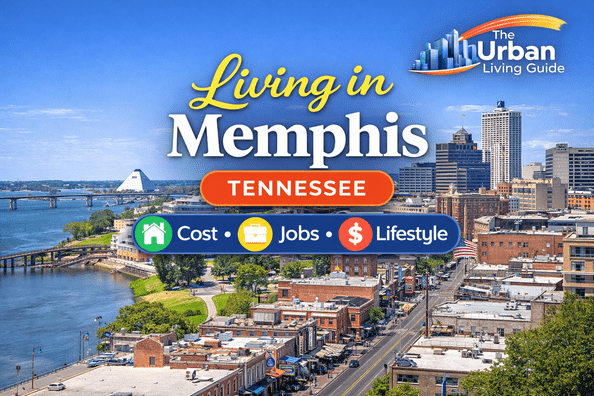
Living in Memphis, Tennessee in 2026: The Complete Local Guide to Home of the Blues Heritage, Global Logistics Hub, and Mississippi River Living
Perched dramatically along the sweeping banks of the Mississippi River in the southwestern corner of the state, living in Memphis, Tennessee offers an authentic, soulful immersion into American musical history, culinary mastery, and unpretentious Southern urban life. As Tennessee’s second-largest city with a population of approximately 630,000 residents, Memphis anchors a vital bi-state metropolitan area that bridges commerce, culture, and deep-rooted community traditions.
Internationally celebrated worldwide as the “Home of the Blues,” the city shaped the very foundations of blues, soul, and rock ‘n’ roll music at legendary recording sanctuaries like Sun Studio and historic entertainment strips like Beale Street. Whether you are walking through the historic ironwork of downtown, exploring Shelby Farms Park, or working within the world’s largest cargo shipping network, Memphis delivers a distinct, resilient, and deeply cultural standard of living.
Municipal governance, public safety initiatives, and community development resources are centrally administered through the official City of Memphis Government Portal.
If this area is new to you, check the map below to see where the city is positioned geographically within the Mid-South corridor.
All quantitative metrics, economic data points, and community insights compiled within this living guide are synthesized from official municipal records, regional economic boards, and verified long-term resident feedback.
What Makes Memphis So Popular & Unique
Over recent years, Memphis has captured national attention as an evolving cultural capital where affordability meets legendary artistic heritage. Key factors driving its sustained appeal include:
- Unrivaled Musical Legacy: Deep historical roots as the birthplace of the blues, housing legendary recording studios and world-famous music festivals. Explore regional tourism initiatives via the Memphis Tourism & Visitors Bureau Portal.
- Exceptional Housing Affordability: Offering some of the most accessible home purchase prices and rental rates among major U.S. metropolitan areas.
- Global Logistics Powerhouse: Anchored by the massive global headquarters and air hub of FedEx Corporation, driving international supply chain careers.
- Legendary Barbecue & Cuisine: A world-renowned culinary identity centered around authentic dry-rub Memphis barbecue and traditional Southern comfort food.
Memphis at a Glance: Key Living Metrics
| Evaluation Metric | Local Data Overview & Regional Reality |
|---|---|
| Population | Approx. 630,000 within municipal city limits (Second-largest city in Tennessee) |
| Median Monthly Rent | Ranges from $800 to $1,800+ depending on unit size and neighborhood pocket |
| Average Annual Salary | Typically spans $55,000 to $105,000 across logistics, healthcare, and corporate sectors |
| Primary Economic Pillars | Global shipping and logistics, healthcare, medical research, manufacturing, and tourism |
| State Income Tax | Zero state personal income tax across Tennessee |
| Average Summer High | Routinely reaches 88°F to 94°F during hot, humid July and August afternoons |
| Primary Transit Mode | Memphis Area Transit Authority (MATA) buses, downtown trolley network, and personal vehicles |
Famous Personalities, Local Icons & Major Brands in Memphis
Memphis has a proud history of nurturing global music legends, civil rights icons, and massive corporate enterprises:
- Elvis Presley: The legendary King of Rock and Roll who lived, recorded, and established his iconic permanent estate at Graceland (Graceland Official Portal).
- Justin Timberlake: The multi-Grammy-winning pop superstar, singer, and actor who grew up deeply rooted in the local Memphis community.
- B.B. King: The legendary blues master whose timeless guitar work became permanently intertwined with the soul of Beale Street.
- FedEx Corporation: A massive Fortune 500 global logistics titan maintaining its world headquarters and primary cargo super-hub in the city (FedEx Corporate Portal).
- St. Jude Children’s Research Hospital: A world-renowned pediatric treatment and research facility saving children globally from its landmark Memphis campus (St. Jude Children’s Research Hospital Portal).
Job Market & Business Opportunities with Major Employers
The employment landscape in Memphis offers exceptional career stability, competitive regional wages, and robust mobility across key industrial sectors:
- Global Logistics and Supply Chain: Tens of thousands of specialized engineering, aviation, and freight management careers anchored by FedEx operations.
- Healthcare and Biomedical Research: World-class medical centers and research institutions delivering extensive clinical, nursing, and specialist employment.
- Manufacturing and Distribution: Heavy industrial assembly plants, automotive distribution centers, and consumer goods warehousing.
- Corporate Services and Retail: Major corporate headquarters managing national financial, retail, and paper product operations.
Housing & Real Estate Overview in Memphis
Navigating the real estate market in Memphis requires understanding its neighborhood diversity, historic architectural stock, and affordability advantages:
- Diverse Architectural Stock: Features historic craftsman bungalows in Midtown, grand historic estates in East Memphis, and modern loft apartments downtown. Track property assessments via the Shelby County Assessor of Property Portal.
- Affordability Advantage: Home purchase prices and rental rates remain exceptionally favorable compared to national averages and competing Southern metros.
- Rental Market Inventory: Average monthly rent spans $800 to $1,050 for studio units, $950 to $1,300 for one-bedroom apartments, $1,300 to $1,800 for two-bedroom properties, and $2,000 to $3,000+ for single-family home rentals.
- Suburban Growth: Surrounding communities like Germantown and Collierville provide master-planned housing developments and highly rated public school districts.
Best Neighborhoods in Memphis: Finding Your Ideal Community
| Neighborhood Name | Vibe & Lifestyle Character | Housing & Price Profile |
|---|---|---|
| Downtown Memphis | Bustling entertainment core near Beale Street featuring historic brick lofts, river views, and nightlife. | Modern urban apartments, historic lofts, and competitive rental pricing. |
| Midtown | Historic arts and cultural enclave known for eclectic architecture, local theaters, and community vibrancy. | Craftsman bungalows, historic duplexes, and accessible market values. |
| East Memphis | Established, affluent residential district offering quiet tree-lined streets, parks, and retail centers. | Spacious single-family homes, traditional brick houses, and upscale valuations. |
| Cooper-Young | Trendy, bohemian historic district packed with independent restaurants, local art galleries, and bars. | Historic homes, renovated cottages, and vibrant urban pricing. |
| Germantown | Prestigious suburban community located east of the city, known for top-tier public schools and safety. | Grand detached houses, manicured lawns, and upscale family pricing. |
Watch a recent video by a popular vlogger to understand daily life and vibes in Memphis.
What It’s Really Like Living in Memphis (Daily Life & Vibe)
Daily life in Memphis is characterized by a soulful, unpretentious rhythm deeply anchored in musical tradition and Southern community life:
- Active Riverfront & Park Recreation: Residents spend weekends walking along the newly revitalized riverfront parks, cycling the Greenline trails, or exploring the massive acreage of Shelby Farms Park. Explore park guidelines via the Shelby Farms Park Conservancy Portal.
- Music and BBQ Culture: Evenings feature live blues performances along Beale Street, neighborhood jam sessions, and sampling award-winning local barbecue joints.
- Community Engagement: Participating in vibrant annual festivals, museum exhibitions, and collegiate athletic events.
- Social Atmosphere: Friendly, resilient, culturally rich, and deeply devoted to Southern traditions and musical heritage.
Cost of Living in Memphis: Monthly Expenses & Salary Needs
The cost of living in Memphis sits comfortably below the national average, making it one of the most financially forgiving large cities in the United States:
- Housing Overhead: $1,100 to $1,700 covering standard apartment and home rentals across popular neighborhoods. Review regional economic data via the Bureau of Labor Statistics Southeast Information Office.
- Utilities & Power: $150 to $240 monthly for electricity, heating, water, and municipal waste management services.
- Groceries & Household Goods: $320 to $460 depending on family size and shopping choices between local farmers markets and supermarkets.
- Transportation Expenses: $120 to $220 covering public bus passes, fuel, and vehicle upkeep.
- Required Household Income: Single professionals typically require an annual salary between $55,000 and $75,000 to comfortably cover local living expenses and long-term savings goals.
Transportation, Commute Dynamics & Transit Realities
Memphis functions primarily as a car-dependent metropolitan region supported by historic transit lines and major highway corridors:
- MATA Bus System: Comprehensive public bus network operated by the Memphis Area Transit Authority, offering fixed routes across urban wards (Memphis Area Transit Authority Portal).
- Downtown Trolley System: Historic heritage streetcar lines connecting downtown entertainment districts, the riverfront, and South Main arts districts.
- Highway Connectivity: Excellent freeway access via Interstate 40, Interstate 55, and Interstate 240, ensuring smooth regional distribution.
- Commute Times: Average daily commutes hover around a manageable 22 to 25 minutes during standard hours.
Weather Patterns, Seasonal Realities & Climate Factors
The environmental rhythm of Memphis follows a classic Southern humid subtropical climate pattern:
- Hot, Humid Summers: Summer daytime high temperatures routinely average 88°F to 94°F with high humidity, making air conditioning and shady river parks essential.
- Mild Winters: Winter seasons are short and mild with occasional cold days and rare snowfall events that make winter driving uncomplicated. Track active forecasts via the National Weather Service Memphis Portal.
-
Splendid Transition Seasons: Spring and autumn deliver vibrant foliage changes, crisp air, and ideal weather for outdoor festivals.
Education, Schools & Major Universities
Educational institutions serve as premier anchors for academic excellence, professional training, and intellectual community growth:
- University of Memphis: A major public research university offering comprehensive undergraduate and graduate degree programs in the heart of the city (University of Memphis Official Portal).
- Rhodes College: A highly acclaimed private liberal arts college known for academic rigor and historic campus architecture (Rhodes College Official Portal).
- Christian Brothers University: Respected private Catholic university providing career-focused professional programs and sciences.
- Suburban School Excellence: Highly rated public school districts operating across suburban enclaves like Germantown and Collierville.
Medical Facilities, Hospitals & Healthcare Systems
Healthcare infrastructure in Memphis is advanced, world-renowned, and anchored by premier regional medical networks:
- St. Jude Children’s Research Hospital: Globally revered pediatric treatment and research facility leading groundbreaking cures for catastrophic childhood diseases (St. Jude Children’s Research Hospital Portal).
- Baptist Memorial Health Care: A massive multi-hospital regional health system delivering advanced emergency care, surgical suites, and specialized medicine.
- Methodist Le Bonheur Healthcare: Major healthcare network operating comprehensive children’s hospitals and acute care facilities across the Mid-South.
Popular Hotels, Cafes, Dining & Culinary Scene
The hospitality and culinary identity of Memphis reflects historic southern luxury, musical heritage, and world-famous barbecue:
- The Peabody Memphis: Legendary historic luxury hotel operating since 1869, famous worldwide for its grand lobby architecture and resident marching ducks (The Peabody Memphis Portal).
- Hyatt Centric Beale Street: Contemporary boutique hotel offering vibrant music district walkability and modern southern hospitality.
- World-Famous Barbecue Joints: Acclaimed neighborhood smokehouses serving authentic hickory-smoked ribs, pulled pork, and dry-rub specialties.
Sightseeing, Cultural Spots & Tourist Attractions
Landmark cultural institutions and historic destinations significantly enhance the daily quality of life for local residents:
- Graceland: The iconic historic mansion and permanent estate of Elvis Presley, drawing millions of music pilgrims annually (Graceland Official Portal).
- National Civil Rights Museum: Powerful, world-class museum housed in the historic Lorraine Motel, chronicling the American civil rights movement.
- Beale Street Entertainment District: Nationally famous historic strip lined with vibrant blues clubs, live music venues, and historic eateries (Beale Street Portal).
Regional Trade-offs: Pros and Cons of Living in Memphis
Pros of Living in Memphis
- Extremely affordable housing market offering exceptional value and low cost of living compared to national medians.
- Rich music history, legendary blues culture, world-class barbecue, and vibrant Southern hospitality.
- Strong logistics and transportation employment sector anchored by FedEx’s global shipping hub.
- World-class medical research and pediatric care facilities led by St. Jude Children’s Research Hospital.
- Family-friendly suburban communities featuring top-tier public schools and peaceful parks.
Cons of Living in Memphis
- Hot and humid summer weather requiring constant air conditioning and indoor adjustments.
- Socioeconomic challenges resulting in higher crime rates in certain urban neighborhoods requiring vigilance.
- Limited heavy rail public transportation options, making personal vehicle ownership standard.
- Slower private-sector tech startup growth compared to booming Western tech hubs.
- Traffic congestion during peak commuting hours across major bridges and arterial corridors.
Who Is Memphis Ideal For — And Who Should Avoid It?
Who Memphis Is Ideal For
- Logistics and Supply Chain Professionals: Workers pursuing stable careers in aviation, freight management, and global shipping.
- Budget-Conscious Homebuyers: Individuals and families looking to escape high coastal housing costs and achieve affordable homeownership.
- Healthcare and Medical Researchers: Doctors, nurses, and scientists drawn to world-class hospital networks and St. Jude.
- Music and Food Enthusiasts: Residents who prioritize live blues, soul music history, and legendary Southern barbecue culture.
Who Should Avoid Memphis
- Crime-Averse Urbanites: Individuals uncomfortable with urban property crime rates or neighborhoods undergoing socioeconomic transition.
- Warm-Weather Detractors: People who despise intense summer heat, high humidity, and long cooling seasons.
- Car-Free Commuters: Individuals who refuse to own a personal automobile and rely entirely on rapid subway or heavy rail transit networks.
- Tech Startup Founders: Professionals looking for massive venture-backed technology ecosystems and heavy private capital hubs.
Real Experiences: Perspectives from Long-Term Residents (5 to 10+ Years)
“Buying a historic home in Midtown twelve years ago was the best financial and lifestyle choice I’ve made. The housing cost is a fraction of what you’d pay in major coastal cities, the music and food scene on Beale Street and Cooper-Young is incredible, and the community spirit among locals is tight-knit. You just have to do your homework on neighborhoods, but the soul and affordability of Memphis are unmatched.”
[Source: r/memphis Community Discussions — James K., resident of 11 years]
“The big reality check for newcomers is that summer humidity is no joke, and crime varies block by block, so neighborhood selection is critical. However, if you move into established areas like East Memphis or Germantown, you get fantastic schools, very reasonable real estate, and a friendly community. The logistics and medical job market here is rock solid.”
[Source: Local Resident Panels & Community Forums — Nahira, resident of 8 years]
Frequently Asked Questions About Living in Memphis, Tennessee
Is Memphis expensive to live in compared to other U.S. cities?
No. Memphis maintains one of the lowest costs of living among large U.S. metropolitan areas, featuring housing costs and everyday expenses well below national averages.
What level of annual salary do individuals need to live comfortably in Memphis?
Most single professionals and working households find that an annual income between $55,000 and $75,000 provides a comfortable lifestyle covering rent or mortgage payments, utilities, transportation, and discretionary spending.
Can residents successfully live in Memphis without owning a personal vehicle?
While MATA bus lines and downtown trolley routes exist, most residents rely on personal automobiles due to the spread-out geographic layout of the metropolitan area.
What are the best residential neighborhoods to consider in Memphis?
Top neighborhoods include Midtown for historic charm, East Memphis for family living, Cooper-Young for nightlife and arts, Downtown for loft living, and Germantown for suburban schools.
How does commuting work for professionals working across Memphis?
Commuters primarily utilize major interstates like I-40, I-55, and I-240, enjoying short average commute times of around 22 to 25 minutes during standard rush hours.
What are the primary natural and cultural highlights of Memphis?
Residents enjoy visiting Graceland, touring the National Civil Rights Museum, listening to live music on Beale Street, and relaxing in Shelby Farms Park.
🔗 Explore More Cities in Tennessee
Looking beyond Memphis? The Urban Living Guide has also covered multiple popular cities across Tennessee that you can explore further:
Before moving to Memphis, make sure you check:
- Cost of Living in Memphis, Tennessee
- Pros and Cons of Living in Memphis, Tennessee
- Best Neighborhoods in Memphis, Tennessee
For everything you need in one place, read our complete guide: Moving to Memphis, Tennessee
These city guides provide detailed insights into everyday living, including housing costs, employment opportunities, neighborhoods, commute options, climate, education, local attractions, and key industries shaping each city.
By bringing all these insights together, The Urban Living Guide helps you compare different cities side by side and choose the one that aligns best with your lifestyle, priorities, and long-term goals.